Blog
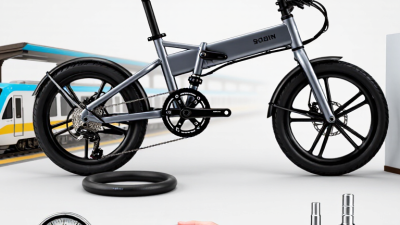
2026 Best Folding Bike TPU Inner Tube for Global Buyers?
A folding bike can ride from a train platform to a narrow apartment hallway, so every gram and packed dimension matters. The Folding Bike TPU Inner Tube is attracting attention because TPU can offer a compact, lightweight alternative to conventional butyl rubber. Yet material alone does not guarantee a better ride. Fit, valve length, pressure range, puncture resistance, and repair options still deserve close inspection.
PeopleForBikes’ 2024 U.S. Bicycling Participation Report says 112 million Americans rode a bicycle in 2023. That figure shows broad cycling participation, not global demand for folding bikes or TPU tubes. The distinction matters. Buyers worldwide should compare product specifications and local riding conditions rather than treat one market statistic as proof of universal preference. A tube that suits smooth city streets may be a poor match for rough commutes. Small differences matter.
Bicycle component designer Keith Bontrager is known for the engineering maxim, “Strong, light, cheap. Pick two.” It is a useful lens for evaluating a Folding Bike TPU Inner Tube: low weight may come with trade-offs in price, durability, or ease of repair. This guide examines those compromises alongside compatibility, storage, and real-world usability. No tube solves every problem. Product claims also need scrutiny. Specifications can look neat on a page, while installation and roadside repairs feel less tidy. The best choice is the one that fits the bike, the rider, and the journey—not simply the lightest option.
Read more »
 By:Oliver Bennett
- November 8, 2026
What Is a BMX Bike TPU Inner Tube?
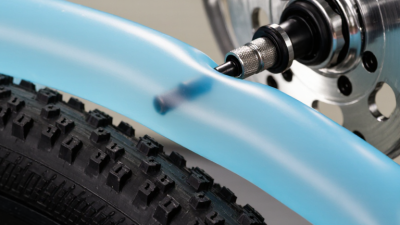
A BMX Bike TPU Inner Tube is an air-holding tube made from thermoplastic polyurethane, a flexible material used in some modern bicycle tubes. Its appeal is easy to understand: less bulk in a tool bag and potentially less rotating weight than a comparable butyl tube. But “lighter” does not mean “right for every ride.” BMX tires face hard landings, sharp edges, and sudden impacts. Fit and pressure still matter.
For a technical lens, bicycle-component engineer Josh Poertner is a relevant industry voice. I can’t verify a direct quote from him specifically about BMX TPU tubes, so this line is an editorial paraphrase, not a quotation: “Low weight matters only when fit, air retention, and durability work together.” That distinction matters. TPU products differ, and a tube’s performance depends on its construction, valve, tire size, rim, and installation. Check the maker’s compatibility and pressure guidance before riding.
The sections ahead explain what TPU is, how these tubes compare with butyl, and what BMX riders should check before buying. We’ll look at real details: a valve that suits the rim, a tube sized for the tire, and careful installation without pinching the material. Small mistakes count. A tiny fold can become a frustrating flat. TPU may suit some riders, but it is not automatically tougher or faster in every BMX setup. The honest answer is more useful than a perfect-sounding claim.
Read more »
 By:Ethan Caldwell
- November 3, 2026
How to Choose a TPU Road Bike Inner Tube?
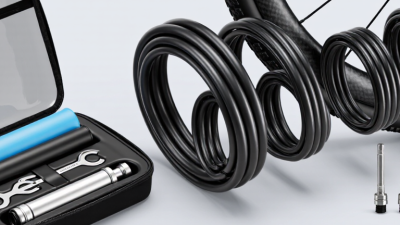
Choosing a TPU Road Bike Inner Tube is no longer a simple weight-saving decision. Material performance now affects rolling feel, storage, installation, and roadside reliability.
Recent reports from Grand View Research and MarketsandMarkets describe thermoplastic polyurethane as a fast-growing material across mobility, sporting goods, and performance components. Their findings highlight TPU’s low density, elasticity, abrasion resistance, and compact storage potential. These advantages matter on a road bike. A lightweight tube can fit inside a small saddle bag beside two tire levers and a CO₂ cartridge. However, low weight alone proves little.
Jan Heine, editor of Bicycle Quarterly and a respected bicycle-tire specialist, offers a useful pressure principle: “The best tire pressure is the lowest pressure that does not cause rim impacts.” That advice still matters when comparing TPU tubes. A tube must match your tire width, rim depth, valve length, and riding surface. Check whether the manufacturer supports 25, 28, or 32-millimeter tires. Confirm the valve core design before carrying a pump or extender.
Independent testing from Bicycle Rolling Resistance also shows why material comparisons need context. Rolling resistance, puncture behavior, and installation quality can vary between products. Laboratory results are helpful, but they cannot fully recreate wet descents, rough chipseal, or a hurried roadside repair. That limitation deserves honesty.
This guide examines tube weight, valve construction, durability, repairability, compatibility, and real-world handling. It will not claim that TPU is perfect. Some models are harder to mount, and careless installation can create problems. The better choice balances measured performance with practical confidence.
Read more »
By:Ethan Caldwell
- October 26, 2026
How to Choose the Best MTB TPU Inner Tube?
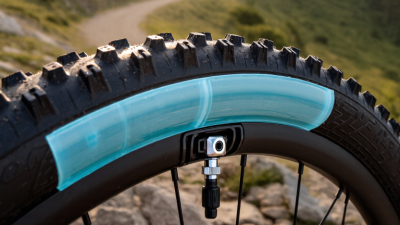
Choosing the right MTB TPU Inner Tube can change how your mountain bike feels on rough, technical trails. TPU, or thermoplastic polyurethane, offers a lightweight alternative to traditional butyl tubes. Its compact size also leaves more room in a trail repair kit.
The best choice depends on more than advertised weight. Wheel diameter, tire width, valve length, and rim compatibility must match accurately. A tube that fits poorly may twist, pinch, or lose air during hard cornering. Check the manufacturer’s size range and recommended pressure before installation.
Small details matter.
Personal trail testing also helps. I have found that a TPU tube can feel lively on rocky climbs, yet installation requires more care. Sharp tire levers may damage its surface, especially near the valve area. Inflation should be gradual, with the tube positioned evenly inside the tire. A brief pressure check before every ride remains sensible.
This guide compares puncture resistance, rolling feel, durability, repair options, and real-world practicality. It also considers how different riders use their bikes, from weekend trail loops to demanding alpine descents. Weight savings sound impressive, but reliability matters more when the nearest trailhead is several miles away. Some claims may vary between brands and riding conditions. That uncertainty deserves attention, not marketing confidence. By examining construction, fit, maintenance, and rider feedback, it becomes easier to choose an MTB TPU Inner Tube with sound judgment.
Read more »
By:Ethan Caldwell
- October 26, 2026
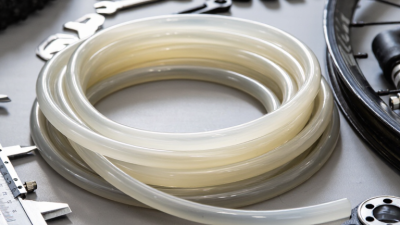
How to Choose the Best Lightweight TPU Inner Tube?
Choosing the best Lightweight TPU Inner Tube requires more than comparing package weights. The right choice depends on wheel size, valve length, tire width, riding conditions, and installation quality. A tube that saves 60 grams may feel disappointing if it leaks slowly or fits poorly.
Josh Poertner, a former cycling tire engineer and SILCA CEO, explains, “The tire is the suspension system of the bicycle.” His observation also applies to the inner tube. TPU changes how the tire responds to road texture, pressure changes, and sharp impacts. A suitable tube can reduce rotating weight and improve packing convenience. However, it cannot compensate for an unsuitable tire or careless mounting.
Check the manufacturer’s approved tire range carefully. Measure the rim depth before selecting a valve. Inspect the tube for folds, dust, or damage. Use compatible rim tape, and inflate it gently before installation. Do not twist it inside the tire. Small mistakes matter.
Pressure deserves attention.
A lightweight tube often requires more disciplined maintenance than a conventional butyl tube. Check pressure before every longer ride, especially after temperature changes. Some TPU products need specific patches, pumps, or installation procedures. Those details are easy to overlook.
There is no perfect option. My own judgment can change after testing, because laboratory weight savings may feel different on rough roads. This guide compares durability, puncture resistance, valve design, pressure retention, repairability, and real-world convenience. The goal is a balanced Lightweight TPU Inner Tube choice, not the lightest number on a label.
Read more »
By:Ethan Caldwell
- October 26, 2026