Choosing the best Lightweight TPU Inner Tube requires more than comparing package weights. The right choice depends on wheel size, valve length, tire width, riding conditions, and installation quality. A tube that saves 60 grams may feel disappointing if it leaks slowly or fits poorly.
Josh Poertner, a former cycling tire engineer and SILCA CEO, explains, “The tire is the suspension system of the bicycle.” His observation also applies to the inner tube. TPU changes how the tire responds to road texture, pressure changes, and sharp impacts. A suitable tube can reduce rotating weight and improve packing convenience. However, it cannot compensate for an unsuitable tire or careless mounting.
Check the manufacturer’s approved tire range carefully. Measure the rim depth before selecting a valve. Inspect the tube for folds, dust, or damage. Use compatible rim tape, and inflate it gently before installation. Do not twist it inside the tire. Small mistakes matter.
Pressure deserves attention.
A lightweight tube often requires more disciplined maintenance than a conventional butyl tube. Check pressure before every longer ride, especially after temperature changes. Some TPU products need specific patches, pumps, or installation procedures. Those details are easy to overlook.
There is no perfect option. My own judgment can change after testing, because laboratory weight savings may feel different on rough roads. This guide compares durability, puncture resistance, valve design, pressure retention, repairability, and real-world convenience. The goal is a balanced Lightweight TPU Inner Tube choice, not the lightest number on a label.
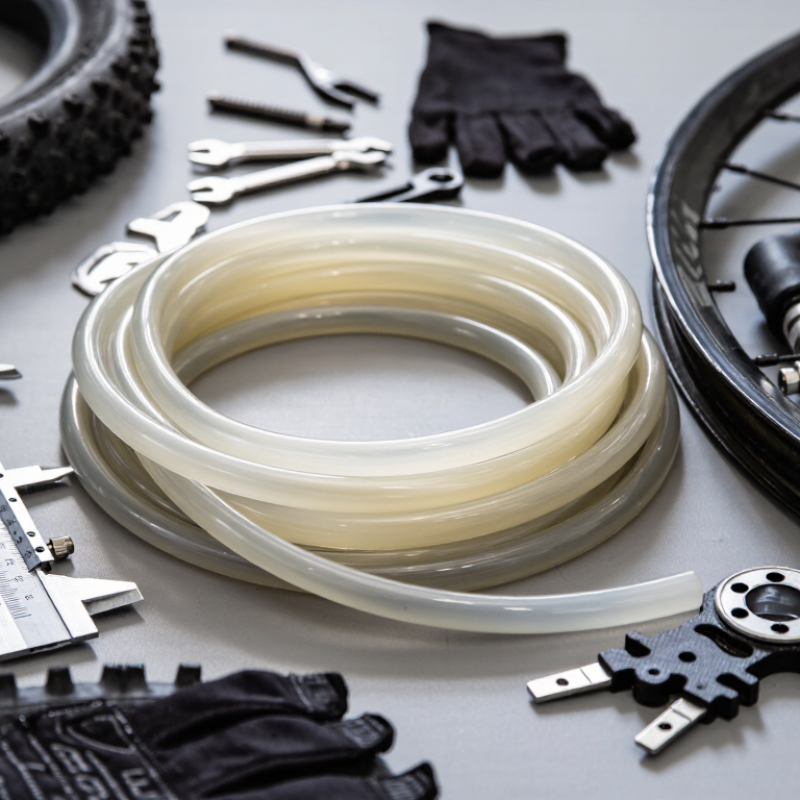
How to Choose the Best Lightweight TPU Inner Tube?
TPU inner tubes use thermoplastic polyurethane, a flexible material with strong stretch and abrasion resistance. Compared with conventional rubber tubes, TPU models can weigh far less and fold into a small saddle bag. Their compact structure suits riders who value climbing efficiency, touring space, or emergency storage. The material feels thin, but quality depends on controlled thickness and consistent production. A tube that is too thin may save grams while losing useful durability. Lightweight does not mean fragile.
Look closely at the tube’s structure. Check the molded valve area, welded seams, and surface uniformity. These points receive stress during inflation and installation. The valve should sit straight and feel firmly attached. Seams should look even, without wrinkles or visible gaps. Confirm wheel size, tire width, and valve length before buying. I once focused only on weight and overlooked valve compatibility. That small mistake delayed a ride. TPU also needs careful fitting because tire levers can pinch the tube. Moderate inflation helps expose installation problems before riding.
Tips: Practice installation at home. Use smooth tire levers and inspect the rim tape. Avoid twisting the tube inside the tire. Carry a repair patch designed for TPU, not a random rubber patch. Check pressure before every ride, especially after temperature changes. A pressure gauge is more reliable than finger pressure. For rough roads, choosing a slightly heavier tube may be wiser. The lightest option is not always the safest choice.
Choosing a lightweight TPU inner tube starts with the tire marking, not the tube’s folded size. Match the full wheel diameter and width, such as 700 x 25–32C or 29 x 2.1–2.4 inches. The European Tyre and Rim Technical Organisation’s 2024 technical guidance emphasizes consistent rim and tire measurements in millimetres. A tube range should comfortably include your tire width. Avoid using the extreme edge of that range.
Valve selection depends on both the rim and riding conditions. Presta valves usually fit narrow drilled rims, while Schrader valves require a larger valve hole. Measure rim depth before choosing valve length. A deep-section rim needs extra reach for the pump head. Check this physically. TPU valves can feel less forgiving during installation, especially when the stem bends against the rim hole. I have made that mistake myself.
Wheel specifications also include rim diameter, internal width, bead design, and rim-tape condition. ISO 5775 remains a key reference for bicycle tire and rim sizing, but printed markings can still be confusing. PeopleForBikes reported that 112 million Americans rode bicycles in 2023, showing how widely different wheel standards are used. Do not rely on wheel appearance. Read the sidewall and rim label. Confirm the valve hole. Inspect the tape for sharp edges. Install the tube with slight inflation, then check that it is not trapped under the bead. Lightweight is useful, but correct fit matters more.
| Wheel Format | Common Tire Size | ETRTO Tire Range | Recommended TPU Tube Size | Valve Type | Valve Length Guidance | Rim Compatibility | Typical Application | Key Fit Check |
|---|---|---|---|---|---|---|---|---|
| 700C / 622 mm | 700 × 23–28C | 23-622 to 28-622 | 700C × 23–32 mm | Presta / FV | 40 mm for shallow rims; 60 mm for medium-depth rims | Compatible with standard clincher rims; confirm rim-hole diameter and tube instructions | Road cycling and everyday paved riding | The inflated tube must sit evenly inside the tire without folds or exposed sections |
| 700C / 622 mm | 700 × 28–35C | 28-622 to 35-622 | 700C × 28–45 mm | Presta / FV | 40–60 mm; select a length that extends clearly beyond the rim | Suitable for clincher wheels when the tube range covers the tire width | Endurance road, commuting, and light gravel | Match both wheel diameter and tire width; diameter mismatch cannot be corrected by inflation |
| 700C / 622 mm | 700 × 40–50C | 40-622 to 50-622 | 700C × 40–50 mm | Presta / FV | 60 mm is commonly suitable; use 80 mm only for very deep rims | Check clearance for wide tires and verify compatibility with tubeless-ready rim profiles | Gravel and mixed-surface riding | Use the tire’s measured or stated width rather than relying only on a general “700C” label |
| 26 in / 559 mm | 26 × 1.50–2.00 in | 40-559 to 50-559 | 26 in × 1.50–2.00 in | Presta / FV or Schrader / AV | Choose according to the drilled rim; 40–48 mm is often adequate | The valve standard must match the rim hole; do not force a Presta valve into a Schrader hole | Hybrid bikes, older mountain bikes, and utility bicycles | Confirm whether the tire marking is expressed in inches or ETRTO millimeters |
| 27.5 in / 584 mm | 27.5 × 2.10–2.40 in | 54-584 to 62-584 | 27.5 in × 2.10–2.40 in | Presta / FV | 40–60 mm depending on rim depth | Check the tube’s approved width range and the wheel’s internal rim profile | Trail and cross-country mountain biking | Do not confuse 27.5 in / 584 mm with 27 in / 630 mm; the bead-seat diameters are different |
| 29 in / 622 mm | 29 × 2.10–2.40 in | 54-622 to 62-622 | 29 in × 2.10–2.40 in | Presta / FV | 40–60 mm; longer valves may be needed for deep-section rims | Suitable only when the TPU tube specifically lists 29-inch or 622 mm mountain-bike coverage | Cross-country and general mountain biking | A 29-inch tire uses the same 622 mm bead-seat diameter as a 700C tire, but the required width range is different |
| 20 in / 406 mm | 20 × 1.50–2.125 in | 40-406 to 54-406 | 20 in × 1.50–2.125 in | Presta / FV or Schrader / AV | Use the length and valve standard specified for the small-format rim | Confirm whether the wheel is 406 mm; 20-inch tires can also use other bead-seat diameters | Folding bikes, compact bicycles, and BMX-style wheels | Read the ETRTO marking because “20 inch” alone does not identify the exact wheel diameter |
Choosing a lightweight TPU inner tube starts with comparing like for like. Measure the same wheel size, valve length, and tube shape. A digital scale gives useful data, but weight alone can mislead. A thinner tube may save several grams, yet it can demand more careful installation. On a workshop stand, I check for folds around the valve and rim before inflating.
Thickness affects both durability and riding feel. Very thin TPU can reduce rotating mass and pack into a small saddle bag. However, it usually offers less tolerance for sharp rim edges, pinching, or rough fitting.
Slightly thicker material often adds modest weight while improving handling confidence. I once focused too heavily on grams and overlooked the tube’s recommended pressure range. That was a poor comparison.
Puncture protection depends on more than tube thickness. Inspect the tire casing, rim tape, and tread condition together. A tube cannot compensate for a damaged tire or exposed spoke hole. For mixed roads, I prefer a balanced construction rather than the absolute lightest option.
Check whether the tube supports reliable repairs, because a tiny puncture during a long ride is inconvenient. Heat, repeated inflation, and careless tire levers can also shorten service life. Record the tube’s weight, thickness, pressure rating, and puncture results under similar conditions. Real testing is rarely perfect, but consistent notes reveal useful patterns.
Choosing a lightweight TPU inner tube starts with air retention, not the lowest gram count. Check its pressure after installation, then again after 24 and 48 hours. A small drop can come from temperature, valve seating, or an imperfect fit. In my workshop, I record pressure with the same gauge each time. That simple habit prevents misleading comparisons. Still, gauges vary, so my readings are not laboratory evidence.
Installation requires patience. Remove sharp debris from the tire and inspect the rim tape carefully. Add a little air before fitting the tube, so it can take shape without stretching excessively. Check both sidewalls for trapped material before fully inflating. Use tire levers only when necessary, because a careless edge can damage TPU. My first installation was too rushed. The tube looked fine, but it developed a slow leak after the ride. I should have checked the valve area more closely.
Riding conditions also change the best choice. Smooth road rides usually suit a lightweight tube at a measured pressure. Rough gravel demands more attention to pressure and tire clearance. Very low pressure may increase impact damage, while excessive pressure reduces comfort and control. Long descents can create heat, especially with rim brakes, so confirm the tube’s stated limits. A tube that holds air well in a garage may behave differently on a hot roadside. Carry a compatible repair solution or spare, because roadside replacement is rarely convenient.
Evaluate air retention, installation needs, and riding conditions before choosing a lightweight TPU inner tube.
Scores use a practical 1–5 priority scale: 1 means low priority and 5 means high priority. Road racing places the greatest emphasis on low weight and rolling efficiency, while gravel, commuting, and trail riding require stronger puncture protection. TPU tubes can retain air well, but careful installation is essential: avoid twisting, check that the valve is seated correctly, and follow the tube manufacturer's inflation limits.
A lightweight TPU inner tube can reduce rotating weight, but low weight should not be your only target. Choose a tube that matches your wheel diameter and tire width exactly. Check the printed size range before buying. A 60 mm valve suits deep rims, while a shorter valve may leave your pump head unstable. Confirm the recommended pressure range too. It should suit your usual road, gravel, or city riding.
From workshop experience, valve construction often reveals product quality. Look for a straight valve base, even seams, and clean molding without sharp edges. A dependable tube should also include clear installation instructions and a practical repair option. TPU stretches differently from rubber. Inflate it slightly before fitting, then check that it sits flat inside the tire. Avoid pinching it with tire levers. I once rushed this step and created a slow leak before the first ride.
Your budget should include more than the tube itself. Add a compatible patch kit, a small pump, and one spare for longer rides. A cheaper tube may become expensive after repeated failures or difficult repairs. However, the lightest model is not automatically the best value. Riders in cold weather, rough streets, or heavy commuting conditions may prefer a slightly heavier design with stronger valve protection. Review pressure tests, material details, and user reports from similar riding conditions. Some reviews are too optimistic. Check the evidence carefully.
Compare the same wheel size, valve length, and tube shape. Use a digital scale for weight. Weight alone can mislead. Record thickness, pressure range, and puncture results under similar conditions.
No. A thinner tube saves rotating mass and fits neatly inside a small saddle bag. However, it tolerates sharp rim edges and pinching less effectively. A slightly thicker tube may feel more dependable. I once chased grams and ignored pressure limits. That was a poor comparison.
Remove sharp debris from the tire. Inspect the rim tape and spoke holes carefully. Check the valve area for folds. Look around both sidewalls before inflation. Small details matter.
Add a little air before fitting the tube. This helps it take shape without excessive stretching. Use tire levers only when necessary. Keep the tube away from trapped tire edges. My rushed installation caused a slow leak later.
Measure pressure after installation, then again after 24 and 48 hours. Use the same gauge each time. Temperature changes can affect readings. Valve seating and imperfect fitting can also cause pressure loss. These readings are useful, not laboratory proof.
Not by itself. Inspect the tire casing, rim tape, and tread together. A tube cannot correct a damaged tire or exposed spoke hole. Heat, repeated inflation, and careless tools may shorten service life. Balanced protection often beats the lightest option.
Smooth roads usually suit measured pressure and lightweight construction. Rough gravel needs careful pressure and adequate tire clearance. Very low pressure can increase impact damage. Excessive pressure may reduce comfort and control. The ideal setting is not always obvious.
Carry a compatible repair solution or a spare tube. A small puncture can become inconvenient far from home. Check repair compatibility before riding. Long descents can create heat, especially with rim brakes. Garage testing does not predict every roadside situation.
Choosing the best Lightweight TPU Inner Tube starts with understanding its material and structure. TPU is a flexible, lightweight thermoplastic that can reduce rolling weight while offering reliable elasticity and puncture resistance. Before purchasing, match the tube’s size carefully with your tire, rim, wheel specifications, and preferred valve type. An incorrect fit may cause installation problems, air loss, or uneven performance.
When comparing options, consider weight, wall thickness, durability, puncture protection, and air-retention performance rather than focusing on weight alone. Thinner tubes may save more grams, but slightly thicker designs can provide greater reliability for rough roads, long-distance rides, or frequent use. Check whether special installation procedures are required, including careful positioning and proper inflation. Finally, choose a TPU tube that suits your riding conditions, maintenance habits, and budget, balancing low weight with dependable performance and practical service life.