1. Rotational Mass and Angular Acceleration
In competitive BMX Supercross and pump-track racing, races are won or lost in the initial three pedal strokes from the starting gate. A standard butyl 20-inch tube typically weighs between 140g to 190g. A high-density puncture-reinforced street butyl tube often exceeds 230g. When multiplied across both wheels, riders spin nearly half a kilogram of dead peripheral mass.
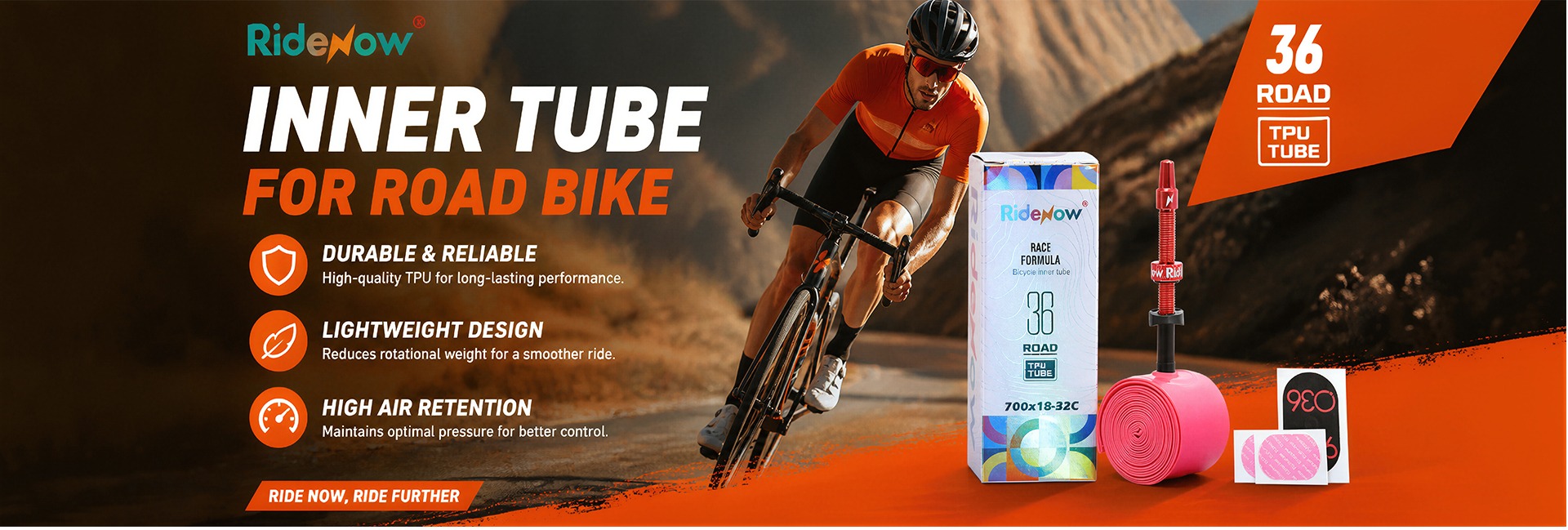
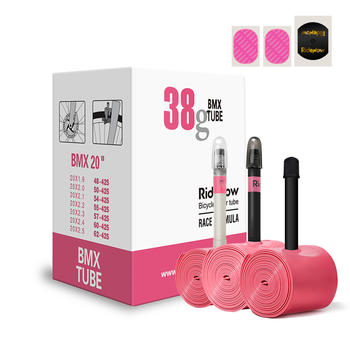
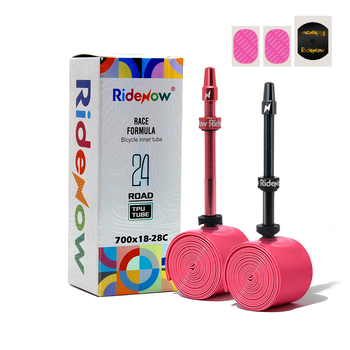
Because inner tubes sit at the outermost diameter of the wheel assembly, every single gram of reduced weight dramatically lowers the moment of inertia (I = mr²). A BMX bike TPU inner tube engineered by Qingdao JORV Technology Co., Ltd. weighs approximately 38g to 45g. Removing over 240g of rotating weight from a 20-inch wheelset transforms bike response, delivering explosive torque out of turns, snappier bunny hops, and significantly quicker 360/tailwhip rotations in freestyle parks.
2. Snakebite (Pinch Flat) Mitigation Through Elastic Memory
Street and park riders often run tire pressures anywhere between 45 PSI to 85 PSI, routinely slamming square concrete ledges, coping, and steep transition bottoms. Traditional butyl rubber possesses low tensile elasticity; upon hard rim bottoming, the tube is easily sheared between the rim hook and the ground, creating infamous dual "snakebite" slits.
Thermoplastic Polyurethane boasts an elongation at break exceeding 500% alongside exceptional Shore hardness and tear propagation resistance. When pinched severely against an alloy rim edge, TPU displaces mechanical stress dynamically instead of tearing apart, decreasing sudden blowout rates by over 65% in professional testing environments.