[email protected] Qingdao, Shandong, China Onsite-Checked Supplier
0%

A BMX Bike TPU Inner Tube is an air-holding tube made from thermoplastic polyurethane, a flexible material used in some modern bicycle tubes. Its appeal is easy to understand: less bulk in a tool bag and potentially less rotating weight than a comparable butyl tube. But “lighter” does not mean “right for every ride.” BMX tires face hard landings, sharp edges, and sudden impacts. Fit and pressure still matter.

For a technical lens, bicycle-component engineer Josh Poertner is a relevant industry voice. I can’t verify a direct quote from him specifically about BMX TPU tubes, so this line is an editorial paraphrase, not a quotation: “Low weight matters only when fit, air retention, and durability work together.” That distinction matters. TPU products differ, and a tube’s performance depends on its construction, valve, tire size, rim, and installation. Check the maker’s compatibility and pressure guidance before riding.

The sections ahead explain what TPU is, how these tubes compare with butyl, and what BMX riders should check before buying. We’ll look at real details: a valve that suits the rim, a tube sized for the tire, and careful installation without pinching the material. Small mistakes count. A tiny fold can become a frustrating flat. TPU may suit some riders, but it is not automatically tougher or faster in every BMX setup. The honest answer is more useful than a perfect-sounding claim.
What Is a BMX Bike TPU Inner Tube?

Definition and Purpose of a BMX Bike TPU Inner Tube

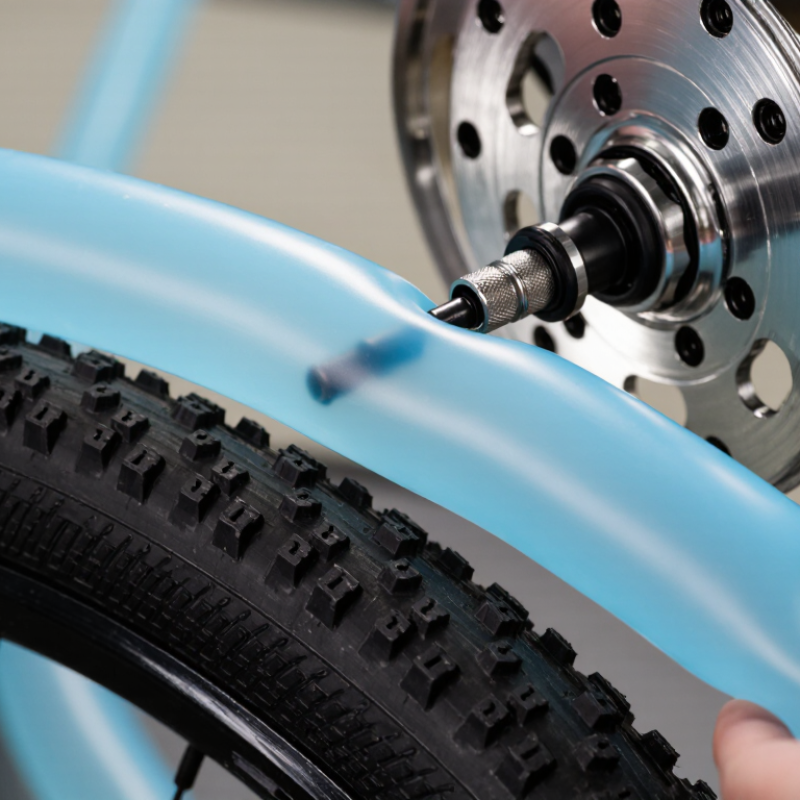
A BMX bike TPU inner tube is an inflatable tube made from thermoplastic polyurethane, a flexible plastic material. It sits inside the tire and holds the air that supports the rider and bike. Its job is familiar: keep the tire firm enough for riding while helping absorb small bumps and impacts.

TPU tubes are often chosen because they can be lighter and more compact than many conventional rubber tubes. That can matter when a rider wants to reduce rotating weight or carry a spare in a small tool pouch. The material can also resist some punctures, but no tube is puncture-proof. Sharp edges, pinched tire walls, or a poorly seated tube can still cause a flat. Not magic.

For BMX use, correct sizing matters more than a small weight saving. Match the tube’s stated wheel diameter and tire-width range to the tire, then check that its valve fits the rim opening. Before inflating, run your fingers around the tire’s inside and remove grit or wire fragments; a tiny piece can cause trouble later. Use the pressure range printed on the tire, not a guess based on feel. TPU may feel different during installation, and forcing or twisting it can damage it. One easy mistake is rushing the fit. A careful check is worth the extra minute.

TPU Material and Tube Construction

What Is a BMX Bike TPU Inner Tube?

TPU Material and Tube Construction

A BMX TPU inner tube uses thermoplastic polyurethane instead of traditional butyl rubber. TPU is a flexible polymer that can be made into a thin, lightweight tube wall. Many designs use film joined with welded seams, though construction varies between models. The valve area needs careful reinforcement because inflation and tire movement place stress there. Small details matter. A neat-looking seam does not guarantee a tube will suit every BMX tire or riding style.

A lighter tube can reduce rotating weight, but it still needs correct sizing and careful installation. Check the printed tire dimensions and valve type before buying. During fitting, keep the tube slightly inflated so it holds shape, then make sure no section is trapped beneath the tire bead. Easy to miss. Overinflating a loose tube can stretch or damage it, so follow the maker’s pressure guidance. TPU may also require a repair patch made for that material; ordinary rubber-tube patches may not bond reliably. The trade-off is worth considering: low weight is useful, but compatibility and repair options deserve attention too.

What Is a BMX Bike TPU Inner Tube?

Typical Raw-Material Density: TPU vs. Butyl Rubber

TPU (thermoplastic polyurethane) is the material used in a TPU inner tube; conventional inner tubes are commonly made from butyl rubber. These representative raw-material densities are approximate and vary by formulation. Density alone does not determine the weight or durability of a finished tube.

How TPU Tubes Differ from Butyl and Latex Tubes

A BMX bike TPU inner tube is made from thermoplastic polyurethane, a flexible plastic film rather than traditional rubber. Its main appeal is low weight and a small folded size, which can make carrying a spare easier. But lighter does not automatically mean tougher. Tube thickness, installation, and tire fit all affect how well it handles hard landings and curb edges.

Butyl tubes are usually heavier, affordable, and hold air well between rides. They are a practical choice for riders who want simple maintenance. Latex tubes are highly flexible and can reduce rolling resistance, but they lose air faster and often need pressure checks before each session. That trade-off matters. A BMX rider may value consistent pressure more than a small gain in suppleness.

TPU tubes sit between these options in some ways: they can save weight while offering better air retention than latex, though exact performance varies by design. Their repair methods may differ from standard rubber patches, so check the tube maker’s instructions before carrying a repair kit. For rim-brake wheels, verify heat compatibility as well. A tube that feels like an obvious upgrade on paper may not suit every setup. The tire, riding style, and willingness to check pressure still count.

Key Sizes, Valve Types, and Compatibility Factors

A BMX TPU inner tube is a flexible thermoplastic polyurethane bladder that holds air inside the tire. Its compact feel can make installation less forgiving than with a thick rubber tube. Check the printed size range before fitting; a tube stretched beyond its range may be more vulnerable to damage.

Size compatibility starts with diameter and width. ISO 5775-1 and ETRTO sizing tables use bead-seat diameter alongside nominal tire width: 47-406, for example, identifies a 20-inch tire with a 47 mm nominal width. A “20-inch” label alone is not enough. BMX tires often span widths from about 1.75 to 2.4 inches, so match the tube’s stated range to the tire marking. A narrow tube inside a wide tire can stretch excessively; an oversized tube may fold during fitting.

Valve choice depends on the rim, not just the bike. Schrader valves are common on BMX rims; Presta valves appear on some setups. Schrader holes are typically about 8 mm wide, while Presta holes are about 6 mm, though check the rim itself. Match valve length to rim depth, and keep the stem straight through the hole. I would still check the old tube before ordering; markings can be hard to read. A small mismatch matters. TPU tubes can pinch during installation, so add only a little air before seating the tire and inspect both sides of the bead.

Performance Benefits, Limitations, and Basic Care

A BMX bike TPU inner tube is made from thermoplastic polyurethane, a flexible material formed into a lightweight tube. Compared with many butyl tubes, it packs smaller and may reduce rotating weight. On a BMX bike, that can make the wheel feel a little livelier during quick turns or repeated spins. The difference is subtle, not a free speed upgrade. That matters.

Its limits show up under real BMX loads. A hard landing, sharp rim edge, or poorly seated tire can still cause a flat; TPU is not puncture-proof. Some tubes require specific patches, valves, or fitting steps, so check the instructions and match the stated wheel size. Keep the tube clear of the tire bead during installation. A rushed fit can damage it before the first ride. Easy to overlook.

Before installing, inspect the tire for glass, wire, or cuts. Inflate to a pressure suited to your tire and riding style, without exceeding tire or rim limits. Check pressure before each ride. Keep the tube untwisted and make sure the tire sits evenly around the rim. For a spare, fold it loosely and store it somewhere cool and dry, away from direct sunlight. Installation can feel fiddly. Take your time.

What Is a BMX Bike TPU Inner Tube? - Performance Benefits, Limitations, and Basic Care
Dimension TPU Inner Tube What It Means for BMX Riders
What it is A bicycle inner tube made from thermoplastic polyurethane (TPU), a lightweight, flexible plastic-based elastomer. It holds air inside the tire like a conventional tube, but its material and construction differ from traditional butyl rubber.
Weight TPU tubes are commonly lighter and more compact than comparable butyl tubes; actual weight depends on tube size and wall thickness. Lower rotating mass can be useful for acceleration and tricks, although the difference may be modest and varies by setup.
Packed size Typically folds into a smaller package than a standard butyl tube of a similar size. Convenient as a spare in a pocket or small repair kit.
Puncture protection Resistance to punctures depends on the tube’s thickness, tire, riding surface, and installation. TPU is not puncture-proof. Sharp debris, rim damage, and pinch flats can still cause a flat. A suitable BMX tire and correct pressure remain important.
Ride and rolling feel Results vary with tube design, tire casing, pressure, and rider preference; material alone does not guarantee lower rolling resistance or a better ride. Choose pressure and tire setup for the riding style—such as park, street, or dirt—and assess the feel in use.
Air retention Some TPU tubes may lose pressure faster than butyl tubes, so pressure checks may be needed more often. Check tire pressure before riding, especially after the bike has been stored or before a session.
Heat and braking High temperatures can affect some TPU tube designs. Compatibility with rim-brake use depends on the tube maker’s specifications and braking conditions. Confirm the tube is approved for the wheel and brake setup. Avoid prolonged rim braking that can overheat a rim.
Valve and wheel compatibility Valve type, valve length, rim-hole size, tube dimensions, and any required valve support vary by product. Check the wheel and tube specifications before fitting; do not force an incompatible valve through the rim.
Installation TPU tubes can be more vulnerable to damage from pinching, sharp edges, or incorrect fitting than a thicker conventional tube. Inspect the tire and rim tape, lightly inflate the tube to give it shape, seat it without twists, and check that it is not trapped under the tire bead.
Repair Repairs may require a patch and adhesive specifically compatible with TPU; ordinary butyl repair materials may not bond reliably. Carry a compatible repair kit or a correctly sized spare, and follow the tube maker’s repair instructions.
Pressure and care Use the pressure range specified for the tire and wheel, and follow any tube-specific instructions. Store away from sharp objects, excessive heat, and prolonged direct sunlight. Do not exceed the lowest pressure limit stated for the tire, rim, or tube. Replace a tube that is cut, badly stretched, or repeatedly losing air.
Best suited to Riders who value a light, compact tube and are comfortable following material-specific installation and repair guidance. A practical option for BMX riding when the tube is compatible with the wheel and the rider accepts more frequent pressure checks or specialized repairs.

FAQS

What is a BMX TPU inner tube?

It is an inflatable tube made from thermoplastic polyurethane. It sits inside the tire and holds the air that supports the bike and rider.

What are its main benefits?

It is often lighter and packs smaller than many rubber tubes. The wheel may feel livelier during quick turns, but the difference can be subtle.

Is a TPU tube puncture-proof?

No. Sharp debris, a pinched tire, or a rough rim edge can still cause a flat. Not magic.

How do I choose the right size?

Match the tube’s wheel diameter and tire-width range to your tire. Check that its valve fits the rim opening, too.

What should I check before installing it?

Look inside the tire for grit, wire, glass, or cuts. Keep the tube untwisted and clear of the tire bead. Easy to miss.

What pressure should I use?

Follow the pressure range printed on the tire. Stay within the tire and rim limits, and consider your riding style.

How can I reduce installation damage?

Seat the tire evenly and avoid forcing or twisting the tube. A rushed fit can ruin it before the first ride. I should slow down here.

What care does the tube need?

Check pressure before each ride and confirm the tire sits evenly around the rim. Store a spare loosely folded in a cool, dry place away from sunlight.

Can I repair a TPU tube with any patch?

Not always. Some tubes need specific patches, valves, or fitting steps, so check the supplied instructions.

Conclusion

A BMX Bike TPU Inner Tube is an inflatable tube fitted inside a tire to hold air and support a BMX bike’s ride. It is made from thermoplastic polyurethane, a flexible material formed into a lightweight, airtight tube. Compared with traditional butyl tubes, TPU tubes are generally lighter and more compact; compared with latex tubes, they may offer a different balance of air retention, flexibility, and ease of handling. Actual performance depends on the tube’s design and use.

Choosing a tube involves matching its size to the tire and checking the valve type, rim depth, and other fit requirements. A compatible tube can help reduce installation problems and support reliable riding. TPU tubes may appeal to riders seeking lower weight and a packable spare, but they can require careful installation and are not immune to punctures or damage. Follow the maker’s fitting and inflation guidance, avoid pinching the tube during installation, and inspect it regularly for wear or leaks.

Ethan Caldwell

Ethan Caldwell

Ethan Caldwell is a professional marketing specialist and a trusted voice behind the company’s educational blog. With a strong understanding of the company’s products, customer needs, and evolving market trends, he transforms complex information into clear, practical, and engaging content. His work......
JORV gallery image enlarged