Choosing the right MTB TPU Inner Tube can change how your mountain bike feels on rough, technical trails. TPU, or thermoplastic polyurethane, offers a lightweight alternative to traditional butyl tubes. Its compact size also leaves more room in a trail repair kit.
The best choice depends on more than advertised weight. Wheel diameter, tire width, valve length, and rim compatibility must match accurately. A tube that fits poorly may twist, pinch, or lose air during hard cornering. Check the manufacturer’s size range and recommended pressure before installation.
Small details matter.
Personal trail testing also helps. I have found that a TPU tube can feel lively on rocky climbs, yet installation requires more care. Sharp tire levers may damage its surface, especially near the valve area. Inflation should be gradual, with the tube positioned evenly inside the tire. A brief pressure check before every ride remains sensible.
This guide compares puncture resistance, rolling feel, durability, repair options, and real-world practicality. It also considers how different riders use their bikes, from weekend trail loops to demanding alpine descents. Weight savings sound impressive, but reliability matters more when the nearest trailhead is several miles away. Some claims may vary between brands and riding conditions. That uncertainty deserves attention, not marketing confidence. By examining construction, fit, maintenance, and rider feedback, it becomes easier to choose an MTB TPU Inner Tube with sound judgment.
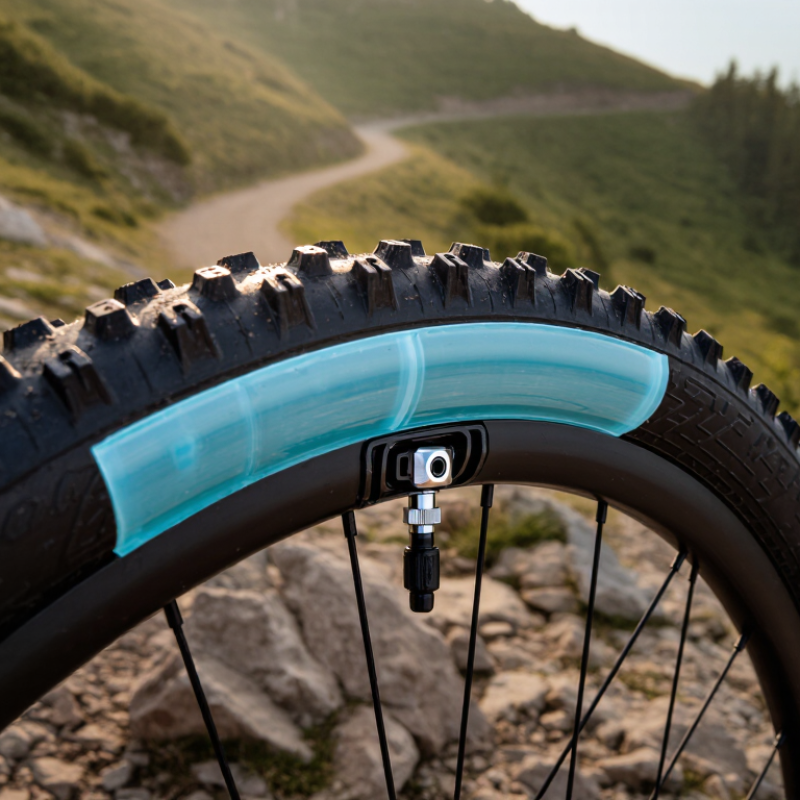
Understanding MTB TPU Inner Tube Basics
How to Choose the Best MTB TPU Inner Tube?
Understanding MTB TPU Inner Tube Basics
A TPU inner tube is made from thermoplastic polyurethane, not traditional butyl rubber. It feels thin and slightly elastic in your hands. That low material volume can reduce rotating weight. The 2023 European Bicycle Industry and Market Profile reported 11.7 million bicycles sold across Europe in 2022, showing a large and demanding market for lighter components. However, market growth does not make every TPU tube suitable for mountain biking.
Start with the basics: wheel diameter, tire width, valve length, and riding pressure. The tube must match the tire’s approved size range. Standards from ETRTO and ISO 5775 provide useful guidance for tire and rim dimensions. Check compatibility carefully. A tube that is too narrow may stretch unevenly. A tube that is too wide can fold inside the tire.
Installation needs more patience than expected. I once pinched a lightweight tube near the valve because I rushed the final tire lever movement. Inflate it slightly before fitting, then inspect the bead area by hand. TPU tubes can pack very small, but sharp rim edges, loose tape, or an untrimmed spoke hole can still cause failure. Carry a suitable repair patch and a compatible pump. Lab data may show weight savings, but trail reliability depends on pressure, rim condition, temperature, and careful fitting. That part is easy to underestimate.
Matching TPU Tubes to Wheel Size and Tire Specifications
Choosing the right MTB TPU inner tube starts with exact wheel measurements.
A 29-inch tube cannot safely replace a 27.5-inch tube, even if both tires look similar. Check the tire sidewall for its diameter and width, such as 29 x 2.25 or 27.5 x 2.60. The tube’s listed range should cover both numbers. A tube made for 2.1–2.4-inch tires may feel stretched inside a 2.5-inch casing. It may still fit, but reliability can suffer.
Rim depth also affects valve selection.
Measure the rim before choosing valve length, especially with deep rims or protective inserts. The valve should extend far enough for secure pump access. Match the valve type to the rim drilling, usually Presta on modern mountain bikes.
During installation, lightly inflate the tube and check for folds, twists, or trapped rubber beneath the bead. TPU material can crease easily when handled roughly. I have found that slow fitting prevents more problems than extra force.
Tire pressure must suit rider weight, terrain, casing support, and rim width.
Follow the tire and tube maker’s pressure limits rather than copying a friend’s setup. Lower pressure improves grip, but excessive reduction increases impact risk. Inspect the tube after a hard ride, especially around the valve and spoke holes. TPU tubes are light and compact, but they are not magic. My early mistake was judging fit by diameter alone. Width and rim compatibility mattered more than expected.
Comparing Weight, Puncture Resistance, and Ride Performance
How to Choose the Best MTB TPU Inner Tube?
Comparing Weight, Puncture Resistance, and Ride Performance
Choosing a TPU inner tube starts with your riding priorities, not the lowest listed weight. On long climbs, a lighter tube can reduce rotating mass and make acceleration feel slightly easier. The difference is subtle. Still, it matters during repeated climbs or technical races. I have noticed that lighter setups feel more responsive on rocky switchbacks, especially when tire pressure stays consistent. However, the thinnest tube is not automatically the best choice for aggressive trail riding.
Puncture resistance depends on material thickness, installation quality, and riding conditions. A thicker TPU tube usually offers more security against small thorns and sharp trail debris. It may also tolerate lower pressures with greater confidence. Check the tube carefully before installation. Dust, tire levers, or a twisted valve can create avoidable damage. A small mistake here can ruin an otherwise reliable setup. That part is easy to underestimate.
Ride performance involves more than weight. TPU often packs smaller and can feel firm and precise under hard cornering. Some riders may prefer that controlled response. Others might find the ride less forgiving than a traditional tube. I once chose the lightest option for a rough, wet route and regretted it halfway through. The choice was too optimistic. Match thickness and pressure to your terrain, tire casing, and repair skills. Compatibility also matters, so follow the tube maker’s fitting and pressure guidance.
How to Choose the Best MTB TPU Inner Tube?
Comparison of representative 29 × 2.2–2.4 in TPU inner-tube profiles by weight, puncture resistance, and rolling performance.
Lightweight TPU tubes reduce rotating mass, while reinforced constructions generally provide higher puncture resistance. Rolling-resistance values are shown in watts under comparable test conditions; a lower value indicates easier rolling. The balanced profile offers the most practical compromise for general MTB riding.
Checking Valve Types, Installation Needs, and Compatibility
Choosing the best MTB TPU inner tube starts with the valve, not the color or claimed weight. Most mountain bikes use Presta valves, while some older or budget wheels use Schrader valves. Check the rim hole before ordering. A mismatched valve will not seat correctly.
Measure the rim depth and inspect the valve opening. Deep rims may need a longer valve stem, while shallow rims usually work with standard lengths. During installation, lightly inflate the TPU tube first. This helps prevent folds beneath the tire bead. I have found that rushing this step can create a pinch, even when the tire appears properly fitted. Use tire levers carefully. Sharp tools may damage the tube.
Tips: Match the valve type, stem length, and wheel size. Check the printed tire dimensions. Keep the tube away from brake heat and rough rim edges. A small amount of air makes alignment easier. Do not force the valve through a narrow hole. If the tube twists, remove it and start again. It feels slower, but it reduces hidden stress. Inspect the rim tape too, because compatibility depends on the complete wheel setup, not the tube alone. Test pressure before riding and listen for slow leaks overnight. TPU tubes can be durable, but they are less forgiving of careless installation. I still recheck mine after the first ride.
Evaluating Brands, Pricing, Storage, and Long-Term Value
How to Choose the Best MTB TPU Inner Tube?
Evaluating Brands, Pricing, Storage, and Long-Term Value
Choosing an MTB TPU inner tube requires more than comparing prices. I examine manufacturer history, material consistency, valve construction, and warranty support. A reliable supplier should publish size, weight, pressure range, and repair guidance. Clear specifications matter. In my workshop, I also inspect seams and valve bases before installation. A tube that feels light may still fail if its joint is poorly finished. I once trusted packaging more than testing, and that mistake cost a ride. Good brands earn confidence through repeat quality, not loud claims.
Price per tube is only one part of value. Compare patch costs, replacement frequency, shipping, and downtime after a puncture. TPU often costs more initially, yet its compact size can simplify a spare kit. That benefit matters on long rides. Still, a higher price does not guarantee better durability. I would buy one tube first, test it on familiar trails, and record pressure loss over several weeks. This evidence is more useful than a polished product page.
Store unused tubes in a cool, dark, dry place, away from sharp tools, fuel, and solvents. Keep them loosely folded, following the maker’s instructions, rather than forcing tight creases. Before a ride, check for cuts, stretched valve areas, and aging around repairs. Heat inside a car can quietly damage materials. Long-term value depends on care, repairability, and dependable performance across seasons. My judgment remains cautious: a cheaper tube may win if it survives real trails and stays easy to service.
How to Choose the Best MTB TPU Inner Tube? - Evaluating Brands, Pricing, Storage, and Long-Term Value
| Anonymous Product Profile |
Typical MTB Size |
Approx. Weight per Tube |
Typical Retail Price |
Puncture and Seam Protection |
Valve and Installation Features |
Recommended Storage Practice |
Expected Service Considerations |
Long-Term Value Score |
| Entry-Level TPU Tube |
27.5 × 2.10–2.40 or 29 × 2.10–2.40 |
Approximately 45–65 g |
US$18–25 |
Basic TPU film with standard welded seams; suitable for regular riding when installation is careful. |
Removable-core valve on many models; valve length should match the rim depth. |
Store clean, dry, loosely folded, and away from direct sunlight, oils, solvents, and sharp objects. |
Inspect for valve-base damage, seam lifting, and aging before every installation or long ride. |
3.5 / 5 |
| Lightweight Trail TPU Tube |
27.5 × 2.10–2.40 or 29 × 2.10–2.40 |
Approximately 35–50 g |
US$25–35 |
Thin construction reduces rolling weight but provides less tolerance for pinching, twisting, or rough installation. |
Usually includes a removable valve core; compact folded format is convenient for carrying as a spare. |
Keep in its protective pouch and avoid prolonged compression under heavy tools or equipment. |
Best suited to riders who prioritize low weight and can maintain accurate tire pressure. |
4.0 / 5 |
| Reinforced All-Mountain TPU Tube |
27.5 × 2.30–2.60 or 29 × 2.30–2.60 |
Approximately 55–75 g |
US$30–42 |
Thicker film and reinforced areas generally offer better resistance to installation damage and trail punctures. |
Longer valve options are commonly available for deeper rims; valve protection should still be checked. |
Store flat or with broad, loose folds at a stable indoor temperature; avoid heat sources and moisture. |
A balanced option for frequent trail use, especially when durability is more important than minimum weight. |
4.4 / 5 |
| High-Pressure Enduro TPU Tube |
27.5 × 2.40–2.60 or 29 × 2.40–2.60 |
Approximately 65–90 g |
US$35–50 |
Designed for demanding riding with stronger material and seam construction; no tube eliminates all pinch or impact risks. |
More robust valve-area construction is preferred for high-impact riding and frequent pressure changes. |
Keep sealed in a cool, dark, dry location and avoid folding tightly along the same crease for extended periods. |
Higher purchase cost may be justified when fewer trail-side replacements and better reliability are priorities. |
4.5 / 5 |
| Compact Emergency Spare TPU Tube |
Compatible with the rider's existing 27.5 or 29-inch tire |
Approximately 40–70 g |
US$22–38 |
Optimized for emergency replacement and compact carrying rather than maximum repeated-use durability. |
Confirm tire-width compatibility and valve length before packing it for a ride. |
Carry in a smooth protective bag; prevent contact with multitools, tire levers, and other sharp equipment. |
Useful as a backup, but it should be inflated and checked periodically instead of remaining unused indefinitely. |
4.1 / 5 |
Comparison basis: typical market ranges for TPU inner tubes in common 27.5-inch and 29-inch MTB sizes. Actual weight, price, pressure limits, compatibility, and durability vary by tube size, valve design, rim type, tire fit, installation quality, and riding conditions. The long-term value score considers purchase cost, weight savings, expected durability, ease of storage, and replacement convenience; it is a comparative guide rather than a laboratory rating.
Conclusion
Choosing the best MTB TPU Inner Tube starts with understanding how thermoplastic polyurethane differs from traditional rubber tubes. Its lightweight construction can reduce rotating mass, while its flexible design may provide a responsive ride and easier storage. To find the correct option, match the tube carefully to your wheel diameter, tire width, and intended riding conditions. A proper size helps prevent stretching, poor fit, or installation problems.
Next, compare puncture resistance, weight, durability, and comfort rather than focusing on one feature alone. Check whether the valve type and length suit your rims, and confirm compatibility with tubeless-ready or rim-specific setups when necessary. Follow the installation instructions carefully to avoid pinching or twisting the tube. Finally, evaluate pricing, product quality, storage requirements, and expected service life. A slightly higher initial cost may offer better long-term value if the tube is dependable, reusable, and easy to maintain during regular mountain biking.