A folding bike can ride from a train platform to a narrow apartment hallway, so every gram and packed dimension matters. The Folding Bike TPU Inner Tube is attracting attention because TPU can offer a compact, lightweight alternative to conventional butyl rubber. Yet material alone does not guarantee a better ride. Fit, valve length, pressure range, puncture resistance, and repair options still deserve close inspection.
PeopleForBikes’ 2024 U.S. Bicycling Participation Report says 112 million Americans rode a bicycle in 2023. That figure shows broad cycling participation, not global demand for folding bikes or TPU tubes. The distinction matters. Buyers worldwide should compare product specifications and local riding conditions rather than treat one market statistic as proof of universal preference. A tube that suits smooth city streets may be a poor match for rough commutes. Small differences matter.
Bicycle component designer Keith Bontrager is known for the engineering maxim, “Strong, light, cheap. Pick two.” It is a useful lens for evaluating a Folding Bike TPU Inner Tube: low weight may come with trade-offs in price, durability, or ease of repair. This guide examines those compromises alongside compatibility, storage, and real-world usability. No tube solves every problem. Product claims also need scrutiny. Specifications can look neat on a page, while installation and roadside repairs feel less tidy. The best choice is the one that fits the bike, the rider, and the journey—not simply the lightest option.
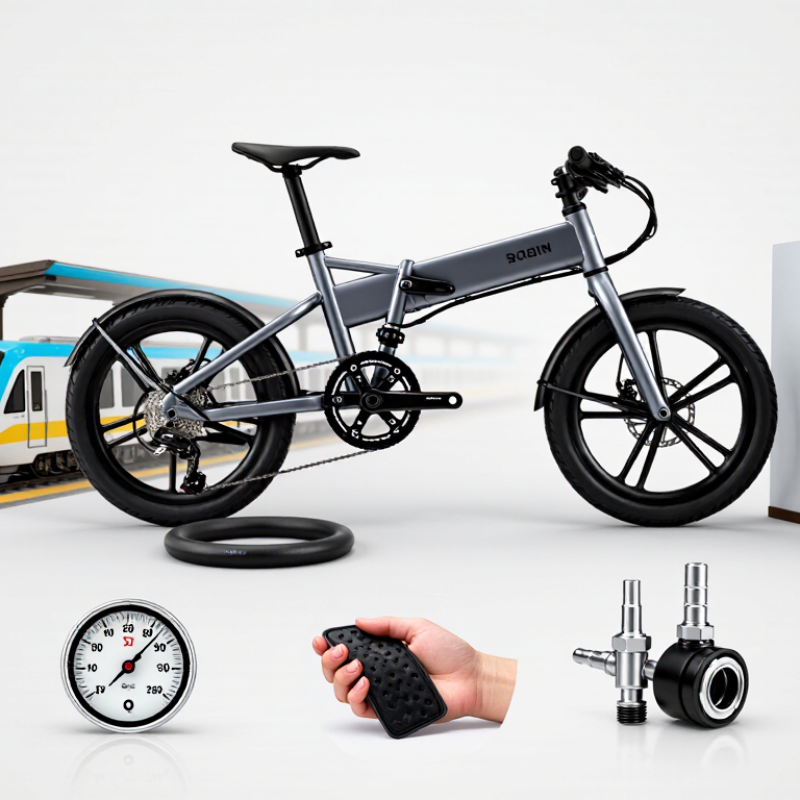
What Is a TPU Inner Tube for Folding Bikes?
A TPU inner tube is an inflatable bicycle tube made from thermoplastic polyurethane, a flexible polymer. In a folding bike, it sits inside the tyre and holds air just like a conventional tube. The “folding” describes the bicycle, not a special tube shape. A spare TPU tube can pack small, which matters when storage space is limited. That detail is easy to miss.
TPU tubes are often lighter and more compact than comparable butyl tubes, though actual results depend on tube thickness and construction. Grand View Research estimated the global TPU market at USD 2.9 billion in 2023 and projected 6.4% annual growth from 2024 to 2030. That report covers TPU broadly, not bicycle tubes, so it signals material use rather than proving cycling performance. Be careful with that distinction.
For a 16- or 20-inch folding bike, check the tyre’s printed size, tube width range, and valve length before buying. A tube that fits the wheel but has the wrong valve may be frustrating at a roadside pump. TPU also needs careful installation: pinched material under the tyre can still puncture. It is not puncture-proof. Small, useful, but not magic.
2026 Best Folding Bike TPU Inner Tube for Global Buyers? - What Is a TPU Inner Tube for Folding Bikes?
| Dimension | TPU Inner Tube for Folding Bikes | What Buyers Should Check |
|---|---|---|
| What it is | An inflatable bicycle inner tube made from thermoplastic polyurethane (TPU), a flexible, lightweight polymer. | Confirm that the product is an inner tube, not a tubeless insert or a complete tire. |
| Common folding-bike wheel sizes | Folding bikes commonly use 16-inch or 20-inch wheels; other sizes are also available. | Match the tube to the tire’s printed size and bead-seat diameter. “16-inch” or “20-inch” alone may not identify the exact fit. |
| Tire-width compatibility | Each tube is designed for a stated range of tire widths, which varies by model and size. | Check the manufacturer’s width range against the tire marking, such as 20 × 1.50 or its equivalent size notation. |
| Weight and packed size | TPU tubes are generally lighter and pack smaller than conventional butyl tubes of comparable fit, though actual weight varies by size and construction. | Compare published product weights for the exact size. Do not assume every TPU tube has the same weight-saving advantage. |
| Puncture performance | Puncture resistance depends on tube thickness, construction, tire condition, and installation; TPU material alone does not guarantee fewer punctures. | Use suitable tire pressure and inspect the tire casing for embedded debris, cuts, or pinch-flat risks. |
| Valve type and length | Available valve options and lengths vary. Presta and Schrader are common bicycle valve types. | Choose a valve that fits the rim hole and is long enough for the rim depth and any valve extension needed. |
| Inflation pressure | The correct pressure is determined by the tire, rim, rider load, and manufacturer limits—not by the tube material alone. | Stay within the pressure limits printed on the tire and specified for the rim; avoid exceeding either limit. |
| Repair and replacement | Repair procedures and patch materials can differ from those used for butyl tubes. | Check the tube maker’s repair instructions and carry compatible patches or a correctly sized spare tube. |
| Rim-brake heat | Some TPU tube instructions include limits or cautions for heat from prolonged rim braking, particularly on long descents. | Review the specific tube’s guidance and use appropriate braking technique; do not assume every TPU tube has identical heat limits. |
| Installation | Like any tube, a TPU tube can be damaged if trapped between the tire and rim during fitting or inflated outside the tire. | Follow the supplied instructions, check that the tube is seated evenly, and inflate gradually while inspecting the tire bead. |
| Best suited to | Riders who value low carried weight and compact spares, including commuters and travelers with folding bikes. | Prioritize exact size fit, valve compatibility, repair support, and clear usage guidance over weight claims alone. |
Note: Specifications vary by tube design. Verify fit, pressure limits, installation steps, and repair guidance with the instructions for the exact product and with the tire and rim specifications.
FAQS
It is lightweight and packs into a small space beside a tire lever. That can help in a compact wheel bag.
No. Butyl is widely available and easy to patch, while latex feels supple but often needs more inflation. TPU has trade-offs too.
Read the tire sidewall and match its width and bead-seat diameter to the tube’s stated range. For example, 40-406 means a nominal 40 mm width and a 406 mm diameter. “20-inch” alone is not enough.
Match the valve type to the rim hole, such as Presta or Schrader. Measure rim depth as well; a deep rim may need a longer stem. Easy to miss.
Add a little air so it takes shape, then place it evenly inside the tire. Keep it clear of the tire bead to reduce pinching. Check both beads.
It can. Some designs may be sensitive to heat from rim braking, especially on long descents. Follow the tube’s temperature guidance.
Review the pressure range, installation instructions, patch compatibility, and temperature limits. A lighter tube is not automatically the right choice.
Carry a compatible patch and test the tube at home first. Check pressure after installation. I might still forget that last check.
Conclusion
A Folding Bike TPU Inner Tube offers a lightweight alternative for riders who want to reduce the weight and packing space of a folding bike. Compared with conventional butyl tubes, TPU tubes are generally more compact and lighter; compared with latex, they can offer a different balance of handling, maintenance, and durability. The best choice depends on the bike’s tire size and width, valve type and length, and the wheel setup, so these details should be checked before purchase.
When evaluating options in 2026, consider weight, packed size, puncture resistance, ease of installation, repairability, and compatibility with the tire and rim. Global buyers should also confirm product specifications, quality consistency, packaging, and supplier communication before placing an order. Matching the tube to the bike and checking sourcing details can help buyers make a practical choice for commuting, travel, or everyday riding.