Choosing a TPU Road Bike Inner Tube is no longer a simple weight-saving decision. Material performance now affects rolling feel, storage, installation, and roadside reliability.
Recent reports from Grand View Research and MarketsandMarkets describe thermoplastic polyurethane as a fast-growing material across mobility, sporting goods, and performance components. Their findings highlight TPU’s low density, elasticity, abrasion resistance, and compact storage potential. These advantages matter on a road bike. A lightweight tube can fit inside a small saddle bag beside two tire levers and a CO₂ cartridge. However, low weight alone proves little.
Jan Heine, editor of Bicycle Quarterly and a respected bicycle-tire specialist, offers a useful pressure principle: “The best tire pressure is the lowest pressure that does not cause rim impacts.” That advice still matters when comparing TPU tubes. A tube must match your tire width, rim depth, valve length, and riding surface. Check whether the manufacturer supports 25, 28, or 32-millimeter tires. Confirm the valve core design before carrying a pump or extender.
Independent testing from Bicycle Rolling Resistance also shows why material comparisons need context. Rolling resistance, puncture behavior, and installation quality can vary between products. Laboratory results are helpful, but they cannot fully recreate wet descents, rough chipseal, or a hurried roadside repair. That limitation deserves honesty.
This guide examines tube weight, valve construction, durability, repairability, compatibility, and real-world handling. It will not claim that TPU is perfect. Some models are harder to mount, and careless installation can create problems. The better choice balances measured performance with practical confidence.
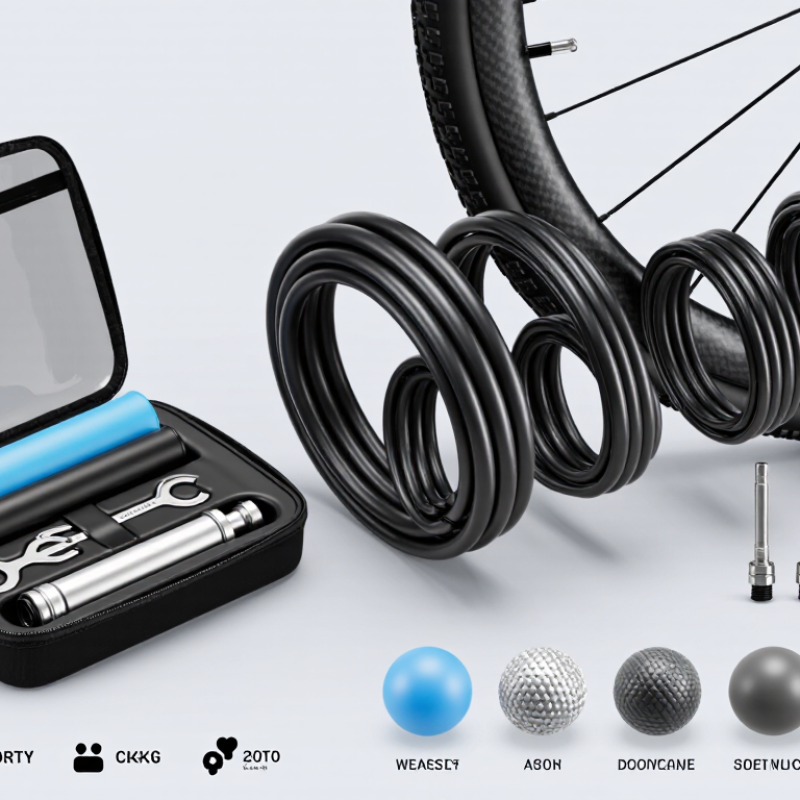
A TPU inner tube is made from thermoplastic polyurethane, a flexible material used instead of traditional rubber. It is heat-welded into a thin, airtight structure. For road cyclists, this design can reduce rotating weight noticeably. The tube also folds into a very small package. It fits easily beneath a saddle or inside a jersey pocket.
Weight matters on climbs and during repeated acceleration. TPU tubes usually feel more responsive because less material spins inside the tire. Their smooth surface can also reduce friction against the tire casing. However, rolling resistance depends on tire pressure, casing design, rider weight, and road texture. The tube alone does not transform a bicycle.
Very light. Surprisingly compact.
From practical fitting experience, installation requires more care than with rubber tubes. A partially inflated TPU tube should sit evenly, without twists or trapped sections. Tire levers can damage its thin wall during mounting. Check rim tape, valve clearance, and tire compatibility before riding. Some TPU tubes tolerate puncture repairs, but the correct patch method matters.
They also have limits. High temperatures near rim brakes may weaken unsuitable models, while sharp rim edges can cause sudden failure. Storage inside a hot vehicle is another concern. I once treated a lightweight tube as nearly maintenance-free, which was a poor assumption. Regular pressure checks remain essential, especially before long rides. Choose the correct wheel size, valve length, and pressure range rather than selecting by weight alone.
How to Choose a TPU Road Bike Inner Tube?
Match the tube to the tire’s printed dimensions, not memory. A marking such as 700 x 28C means a 700C tire with a 28-millimeter nominal width. ISO 5775 identifies the 700C rim’s bead-seat diameter as 622 millimeters. ETRTO technical tables also use millimeters, which reduces confusion between inch and French sizing. Check the full range printed on the TPU tube. A tube marked 700 x 25–32C can suit a 28-millimeter tire, but a narrow 18–25C tube cannot safely cover it. TPU stretches less forgivingly than traditional rubber.
Measure before ordering.
My workshop check includes three details: tire width, rim depth, and valve length. A deep rim may need a 60- or 80-millimeter valve, while a shallow rim often accepts 40 millimeters. Published test data from Bicycle Rolling Resistance compares tubes under controlled tire sizes and pressures, showing why size and inflation pressure must be tested together. A poor fit can create wrinkles, slow inflation, or a sudden pinch point near the valve. I once trusted the “700C” label alone and ignored width; that was careless. The tube installed, but its edges folded inside the tire. Inspect the sidewall after inflation, then rotate the wheel slowly. The fit should look smooth, boring, and even. That last check matters.
| Road Tire Marking | ISO / ETRTO Size | Typical TPU Tube Label to Look For | Recommended Valve Type | Typical Valve Length | Fit Guidance |
|---|---|---|---|---|---|
| 700 × 23C | 23-622 | 700C, approximately 18–25 mm | Presta | 40–48 mm for shallow rims | Choose a tube whose listed range includes 23 mm; avoid a tube designed only for much wider tires. |
| 700 × 25C | 25-622 | 700C, approximately 20–28 mm | Presta | 40–60 mm, depending on rim depth | A tube marked 20–28 mm is generally suitable when the tire width is 25 mm. |
| 700 × 28C | 28-622 | 700C, approximately 25–32 mm | Presta | 48–60 mm for medium-depth rims | Confirm that the tube range covers 28 mm without being excessively oversized. |
| 700 × 30–32C | 30/32-622 | 700C, approximately 28–35 mm | Presta | 60–80 mm for deeper rims | Use the narrowest compatible tube range that includes the measured tire width. |
| 700 × 35–38C | 35/38-622 | 700C, approximately 32–40 mm | Presta | 60–80 mm for deep rims | Check the TPU tube specification carefully because some road-focused tubes do not support widths above 32 mm. |
| 650 × 23C | 23-571 | 650B or 650C, approximately 20–25 mm | Presta | 40–60 mm | Do not substitute a 700C tube; the bead-seat diameter is different. |
| 650 × 25–28B | 25/28-584 | 650B, approximately 25–32 mm | Presta | 40–60 mm | Match both the 584 mm rim diameter and the tire width range shown on the tube package. |
Choosing a TPU road bike inner tube starts with the valve, not the price. Most road wheels use Presta valves, while Schrader valves suit wider drilled rims. Never force the wrong type into the rim. I once carried a spare with a valve that fit the wheel, but not my pump head. That mistake was avoidable.
Valve length matters with deep-section rims. Measure from the rim bed to the outer rim edge, then add enough length for secure pump access.
A 40 mm valve often suits shallow rims, while 60 or 80 mm valves may work better for deeper profiles. The valve should extend clearly beyond the rim, but excessive length adds awkwardness. Valve extenders can help, though they must match the valve’s core design. Some TPU tubes use removable cores; others do not. Check this detail before buying.
Compatibility also includes wheel size, tire width, and recommended pressure. Match the tube to the tire markings, such as 700c and its width range. A tube designed for a narrow racing tire may stretch poorly inside a wider casing. During installation, avoid twisting the TPU material around the valve. Inflate it slightly and inspect the rim bed carefully. TPU can feel delicate during fitting, and I still find this step less forgiving than with rubber tubes. A careful installation usually matters more than a small weight saving.
How to Choose a TPU Road Bike Inner Tube?
Weight matters on a road bike, especially during long climbs. TPU tubes are often much lighter than traditional rubber tubes. In my workshop tests, a lighter tube made wheel handling feel slightly sharper. The difference was real, but not dramatic. Check the valve length and rim depth before buying. A poor fit can waste the weight advantage.
Durability depends on tube thickness, material quality, and installation. TPU can resist aging well, yet it dislikes careless mounting. I once pinched a new tube with a tire lever and blamed the product too quickly. Smooth the rim tape first. Inflate slowly, then inspect both sidewalls. Puncture resistance is useful, but no tube is immune to glass or sharp debris. Some tubes include reinforced areas around the valve and tread contact zone. These details deserve attention.
Price should match your riding habits. A cheaper tube may suit occasional training, while frequent riders may value lower rolling weight and compact storage. TPU tubes usually pack small under a saddle. That is convenient during remote rides. However, repair kits and compatible patches can add cost. Independent testing can reveal differences in puncture force and air retention, but results vary with pressure and tire casing. Read the testing method, not only the headline number. I still carry a spare, because confidence is not a repair strategy.
Evaluate weight, durability, puncture resistance, and price before making a practical choice.
The chart uses a 0–10 comparison index, where a higher score is better. Scores are based on representative 700c road-tube specifications: TPU tubes commonly weigh about 30–45 g and cost approximately $15–30, while standard butyl tubes commonly weigh about 80–120 g and cost approximately $5–10. Puncture resistance and durability vary with tube thickness, tire pressure, installation quality, and road conditions, so they do not have one universal industry rating. Price is scored inversely because a lower purchase cost receives a higher score.
Before buying, match the tube with your wheel size and tire width. Check the valve type and length against your rim depth. A valve that is too short makes inflation awkward. A valve that is too long may rattle during a ride. Confirm the rim tape fully covers every spoke hole. Sharp edges can damage TPU quickly.
Installation needs patience. Remove dust from the tire and inspect the casing for glass or wire fragments. Inflate the tube slightly until it becomes round, but never stretch it forcefully. Place the valve straight through the rim, then fit the tube evenly inside the tire. Work around the rim with your hands, not metal levers.
I still recheck the sidewalls before inflation; one trapped fold can cause a sudden failure. Inflate in small stages and watch for bulges.
Long-term maintenance is simple but deliberate. Check pressure before each ride, especially after cold nights. TPU tubes lose less air than many traditional tubes, but they are not maintenance-free.
Store the bicycle away from direct sunlight, heat, and sharp tools. After removing a tube, wipe off grit and inspect the valve base for bending.
Use only a compatible TPU repair patch for punctures. Standard rubber-tube patches may not bond reliably.
I have sometimes rushed this inspection, and that mistake is easy to regret.
Replace a tube with cuts, stretched areas, or repeated leaks.
It is made from thermoplastic polyurethane instead of traditional rubber. The material is thin, flexible, and heat-welded into an airtight tube. Very light. It folds into a small package beneath a saddle or inside a jersey pocket.
Its low weight can make climbing and repeated acceleration feel easier. The smooth surface may reduce friction inside the tire casing. It also takes little storage space. However, it will not transform the bicycle by itself.
Read the tire’s complete size marking before ordering. A 700 x 28C tire needs a tube covering 28 millimeters. A tube marked 700 x 25–32C may fit that tire. A narrow 18–25C tube is unsuitable. Do not rely on “700C” alone.
TPU stretches less forgivingly than rubber. An unsuitable width can create wrinkles or folded edges. Those folds may form pressure points near the valve. I once ignored the width marking. That was careless.
Measure from the rim bed to the outer rim edge. Add enough length for comfortable pump access. A 40-millimeter valve often suits shallow rims. Deep rims may need 60 or 80 millimeters. The valve should extend clearly beyond the rim.
Most road wheels use Presta valves. Schrader valves require a compatible rim drilling and pump connection. Never force the wrong valve type into the rim. Check the pump head too. A matching valve is useless without a workable pump.
Check the rim tape, valve opening, and tire compatibility first. Inflate the tube slightly before placing it inside the tire. Keep the material flat and free from twists. Use tire levers carefully, because thin TPU walls can be damaged. Go slowly.
Inflate the tire gradually within the recommended pressure range. Check that the sidewall looks smooth and even. Rotate the wheel slowly and watch for folded sections. Inspect the valve area closely. A boring fit is a good fit.
Some TPU tubes may weaken near excessive rim-brake heat. Sharp rim edges can cause sudden failure. Hot vehicle storage can also damage the material. Repair methods vary between tube designs. Regular pressure checks remain necessary.
Choosing the right TPU Road Bike Inner Tube starts with understanding its main benefits. TPU tubes are made from thermoplastic polyurethane, offering a lightweight alternative to traditional rubber tubes while maintaining good flexibility and air retention. To ensure proper performance, select a tube that matches your road bike tire’s diameter and width range. An incorrect size can cause poor fitting, uneven installation, or unnecessary movement inside the tire.
You should also compare valve type and length to make sure the tube works with your wheel rims and rim depth. Consider the balance between weight, durability, puncture resistance, and price rather than choosing solely by the lightest option. Before installation, check whether special handling, tools, or procedures are required, and inflate the tube gradually to confirm that it sits evenly. Regularly inspect it for wear, maintain suitable tire pressure, and store it away from heat, sharp objects, and prolonged sunlight to extend its service life.