High-Performance TPU Cycling Solutions for Global & Havana Procurement
Engineered through state-of-the-art extrusion and high-frequency automated welding. Low standard MOQs (starting at 20 pcs for tubes and 1–3 pcs for specialty hardware) enable flexible capital deployment.
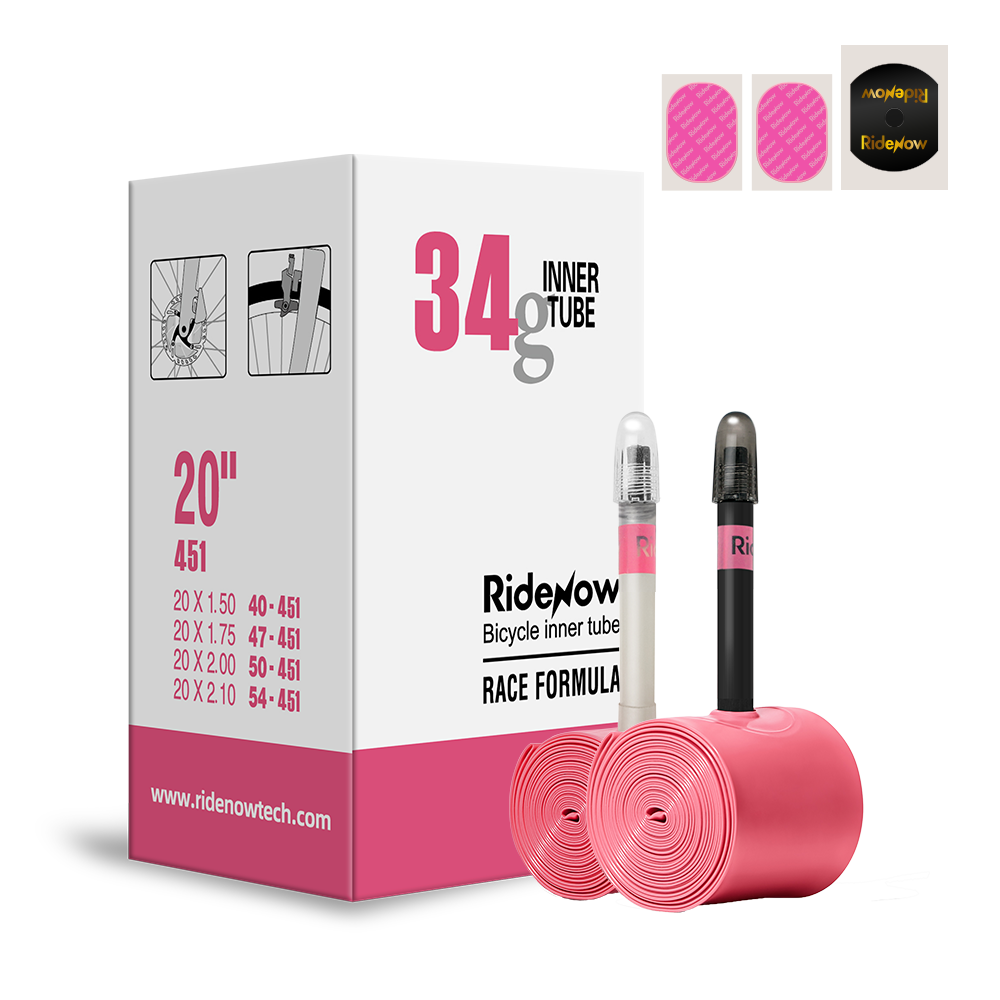
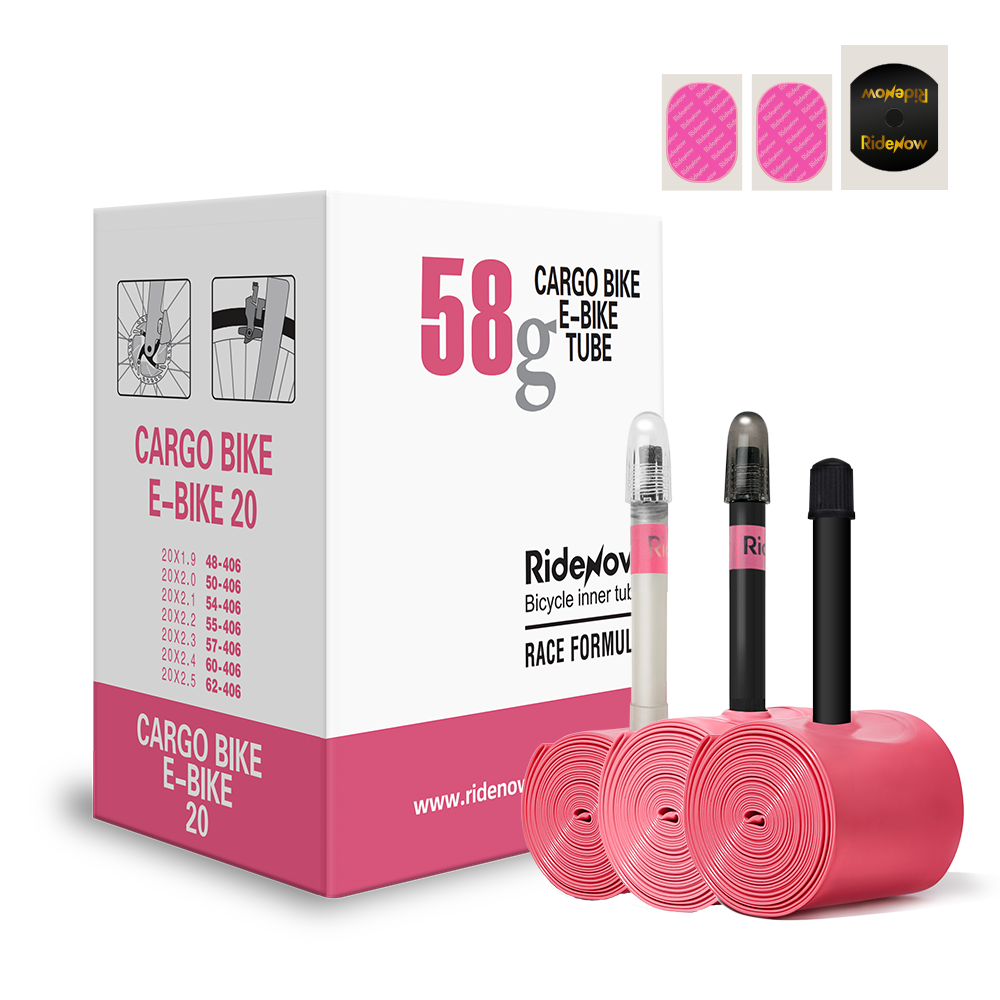
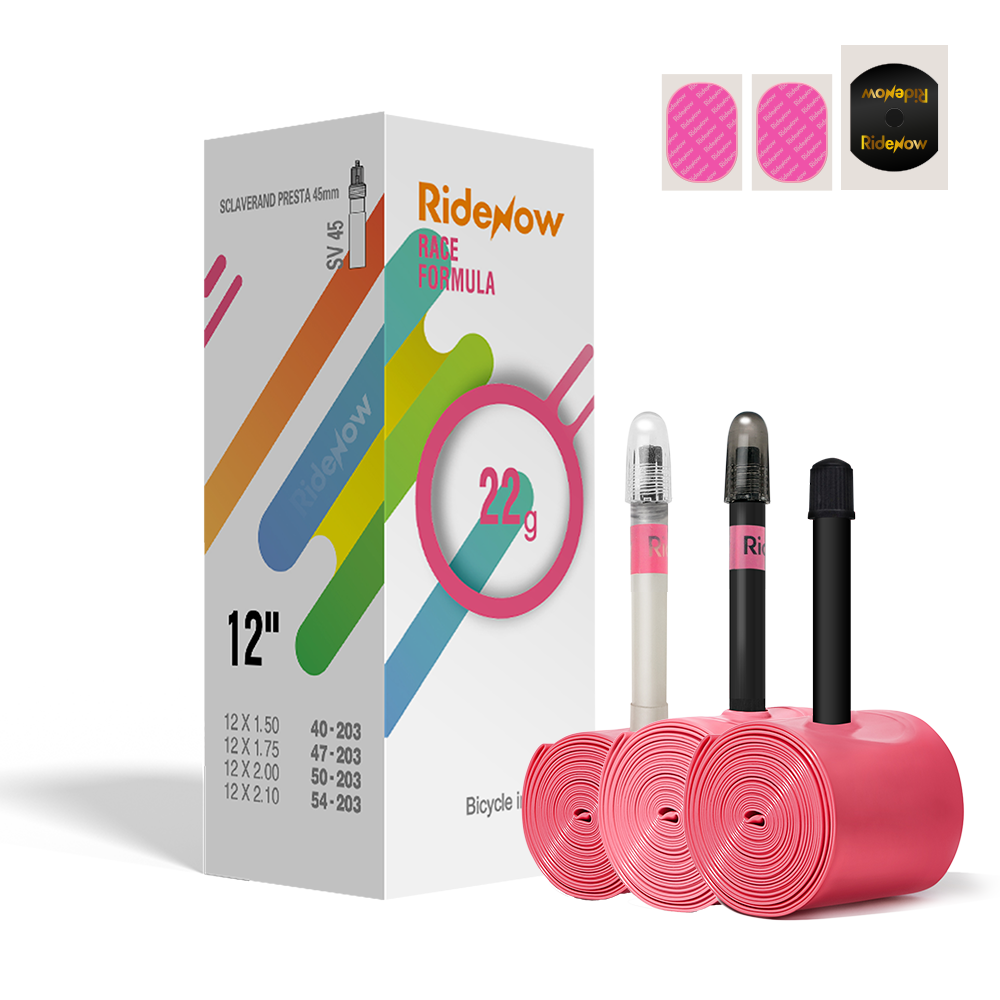
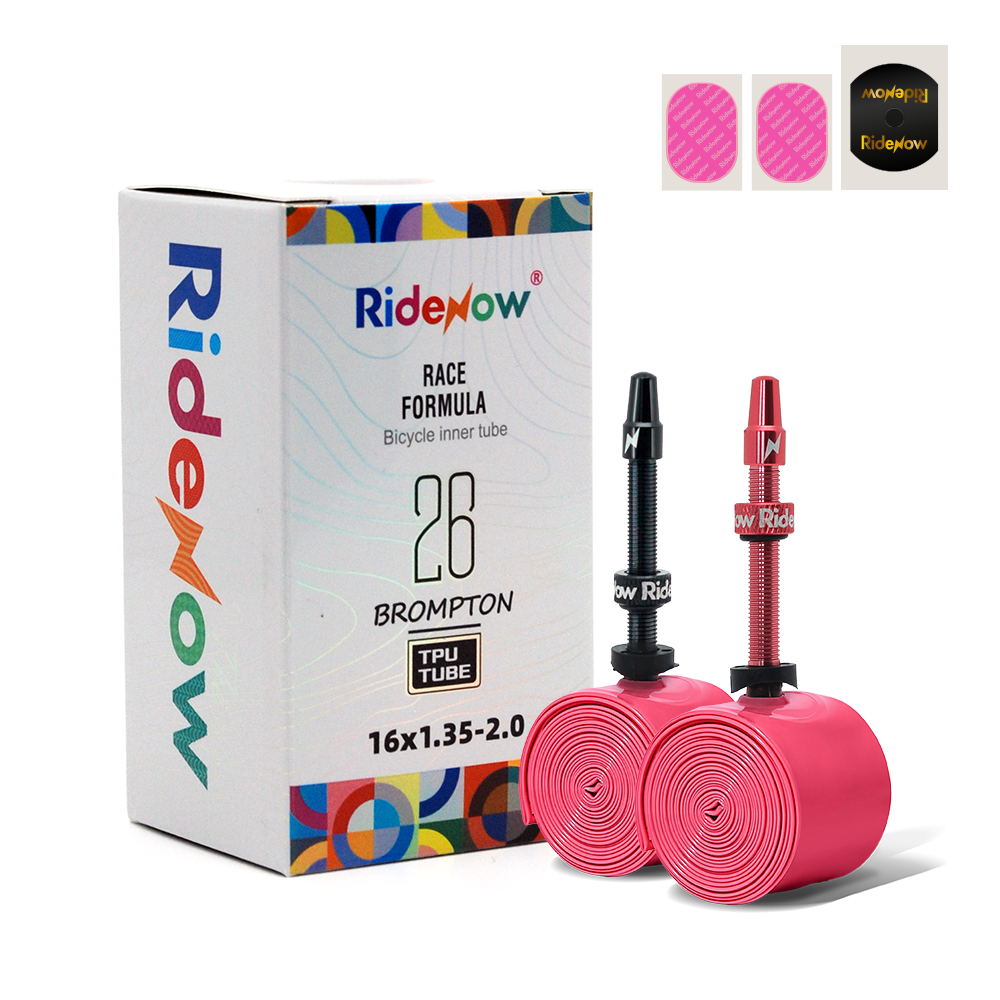
Engineering Analysis: Thermoplastic Polyurethane Tubes Under Caribbean Operating Conditions
Evaluating mechanical degradation, thermal dissipation, and logistics resilience across the Havana metropolitan corridor and coastal microclimates.
1. The Macro-Physics of Cycling in Havana: Coastal Humidity, UV Index, and Road Geology
Havana presents one of the most demanding proving grounds for pneumatic bicycle systems worldwide. The geographical perimeter—stretching from the saline-heavy breezes along the Malecón sea boulevard through the heat-absorbing asphalt arteries of Vedado, Centro Habana, and Playa—exposes pneumatic elastomers to an aggressive matrix of stressors. Traditional inner tubes constructed from vulcanized isobutylene-isoprene (butyl rubber) suffer from rapid vulcanization breakdown, microscopic porosity growth, and gradual oxidation when confronted by continuous relative humidity averaging 78% and seasonal ambient temperatures exceeding 34°C (93°F).
Furthermore, coastal salt aerosol deposition creates chemical friction within the tire casing, degrading traditional rubber and causing micro-abrasions along rim hooks. Thermoplastic Polyurethane (TPU), manufactured using advanced aromatic and aliphatic polymers, exhibits an intrinsically non-porous molecular architecture. Unlike vulcanized rubber, TPU inner tubes do not dry out, chalk, or develop structural micro-fractures under high ambient solar radiation. The surface inertness of TPU prevents salt crystallization adherence, safeguarding both the tube carcass and the inner rim bed over thousands of demanding kilometers.
2. Comparative Material Matrix: Specialized TPU vs. Standard Butyl
For fleet managers, professional racing teams, and independent municipal bike mechanics across Havana, inner tube longevity dictates maintenance overhead. The empirical table below summarizes technical performance deltas observed between standard butyl formulations and JORV high-grade extruded TPU:
| Engineering Property | Standard Butyl Inner Tube | JORV Proprietary TPU (Road Spec) | Operational Impact in Havana |
|---|---|---|---|
| Material Thickness & Density | 0.80 mm – 0.95 mm (1.15 g/cm³) | 0.18 mm – 0.22 mm (0.98 g/cm³) | 70% reduction in rotating mass; immediate acceleration gains on climbs. |
| Tensile Strength (Yield) | ∼ 8.2 MPa | ≥ 38.5 MPa | Extreme puncture resistance against road detritus, glass fragments, and potholes. |
| Elongation at Break | 400% – 520% | 650% – 800% | Superior elasticity absorbs direct curb strikes and rim pinch flats (snakebites). |
| Permeability (Air Retention) | Moderate air migration (requires bi-weekly inflation) | Ultra-low gas transmission rate | Preserves stable tire pressure across severe Havana temperature gradients. |
| Storage & Transport Volume | 100% baseline volume (bulky) | ≤ 28% of butyl volume | Enables riders and mechanics to store 3 tubes in a single compact saddle pouch. |
3. Addressing the Havana Supply Chain Reality: Repairability & Extended Lifecycle
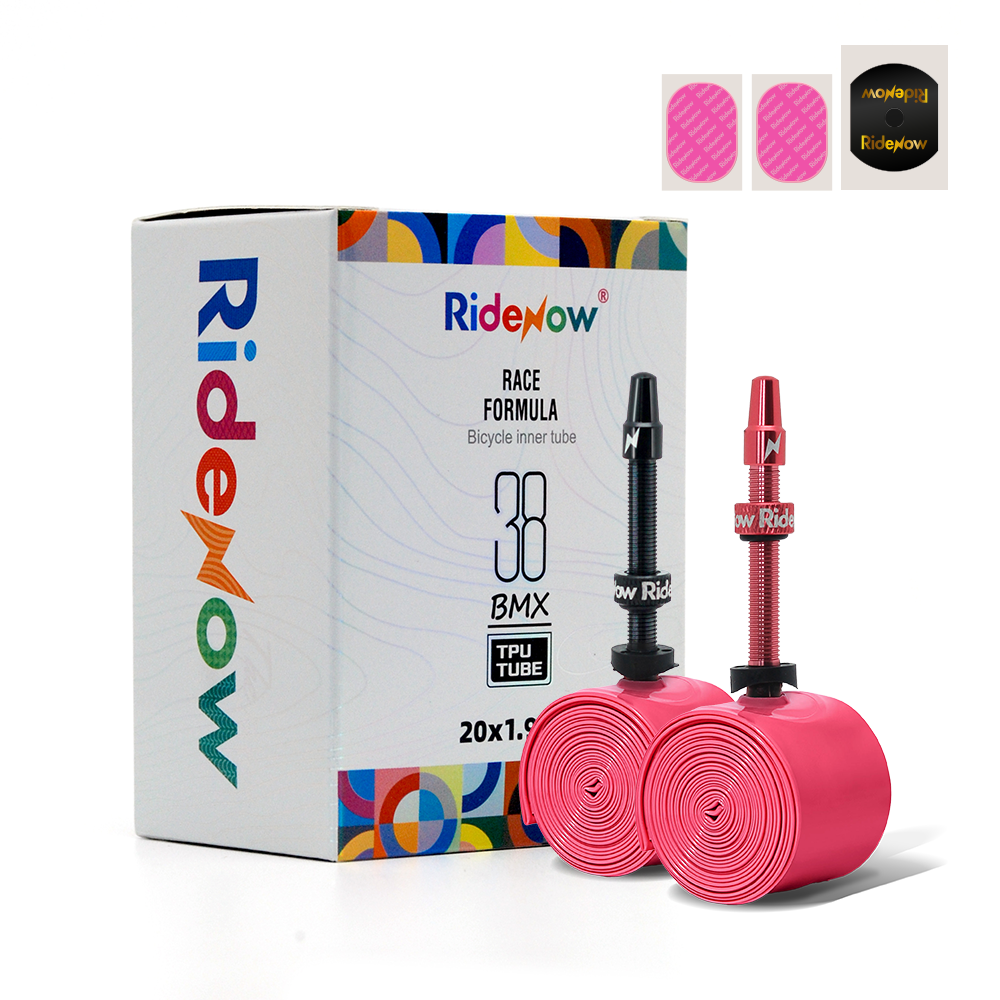
In a localized economy where spare parts availability requires maximum supply chain discipline, product lifecycle is paramount. Standard bicycle tubes in Cuba are repeatedly patched using vulcanizing fluids that degrade tire balance and fail prematurely in high heat. JORV TPU inner tubes are manufactured with specialized, pressure-reactive adhesive patch kits that form a cohesive chemical bond with the host polymer without requiring volatile solvents. A single JORV TPU tube can undergo localized field repairs in under two minutes, sustaining structural integrity up to 110 PSI without deformation. This resilience provides immense economic value for courier fleets, daily commuters, and cyclotourists circumnavigating the island.
Targeted Applications Across Havana's Urban & Regional Infrastructure
How high-tensile TPU technology transforms daily operations across diverse cycling sectors in Cuba.
Metropolitan Commuting & Bicitaxis
Navigating the historic, cobblestone-laden avenues of Habana Vieja and the cracked pavement of Cerro requires exceptional structural dampening. JORV 20-inch cargo and folding tubes withstand continuous heavy radial loading and mitigate pinch flats caused by irregular asphalt fissures.
Coastal Road Cycling & Malecón Training
Competitive road racing enthusiasts and developmental athletes on the Havana-Varadero transit route experience extreme road surface temperatures upwards of 55°C (131°F). The heat dissipation attributes of TPU inner tubes prevent sudden blowouts common with rim-friction and solar-radiation heat soak.
Eco-Tourism & Rental Fleet Operations
Rental agencies operating self-guided cycle tours throughout Pinar del Río, Viñales, and western Cuba require near-zero down-time. Equipping fleets with puncture-resistant TPU inner tubes cuts on-road breakdowns by over 65%, keeping tour schedules uninterrupted and minimizing warranty logistics.
Havana Cycling Ecosystem: 2025–2030 Growth Vectors
Structural transitions in fuel logistics, public health awareness, and light transport electrification are elevating bicycle component standards across Cuba.
The Shift Toward Sustainable Micro-Mobility in Urban Cuba
Across Havana, transportation dynamics are evolving rapidly. Volatility in motorized transport fuel and vehicular parts has catalyzed a historic resurgence in human-powered and light-electric mobility. Commuters, independent entrepreneurs, and municipal workers rely heavily on two-wheeled transport for personal livelihood. Consequently, cycling is no longer merely recreational—it is a critical driver of local economic continuity.
This dynamic creates a profound shift in consumer procurement behavior: the transition from "disposable cheap consumables" to "durable, high-efficiency engineered components." In previous decades, the market absorbed heavy butyl inner tubes with variable quality controls. Today, workshop owners and fleet operators recognize that high puncture incidence leads to lost working hours and excessive downtime. The demand curve in Havana has turned decisively toward high-grade, puncture-resistant TPU products that withstand aggressive road surfaces while drastically lowering overall maintenance costs.
Electrification and Cargo Integration
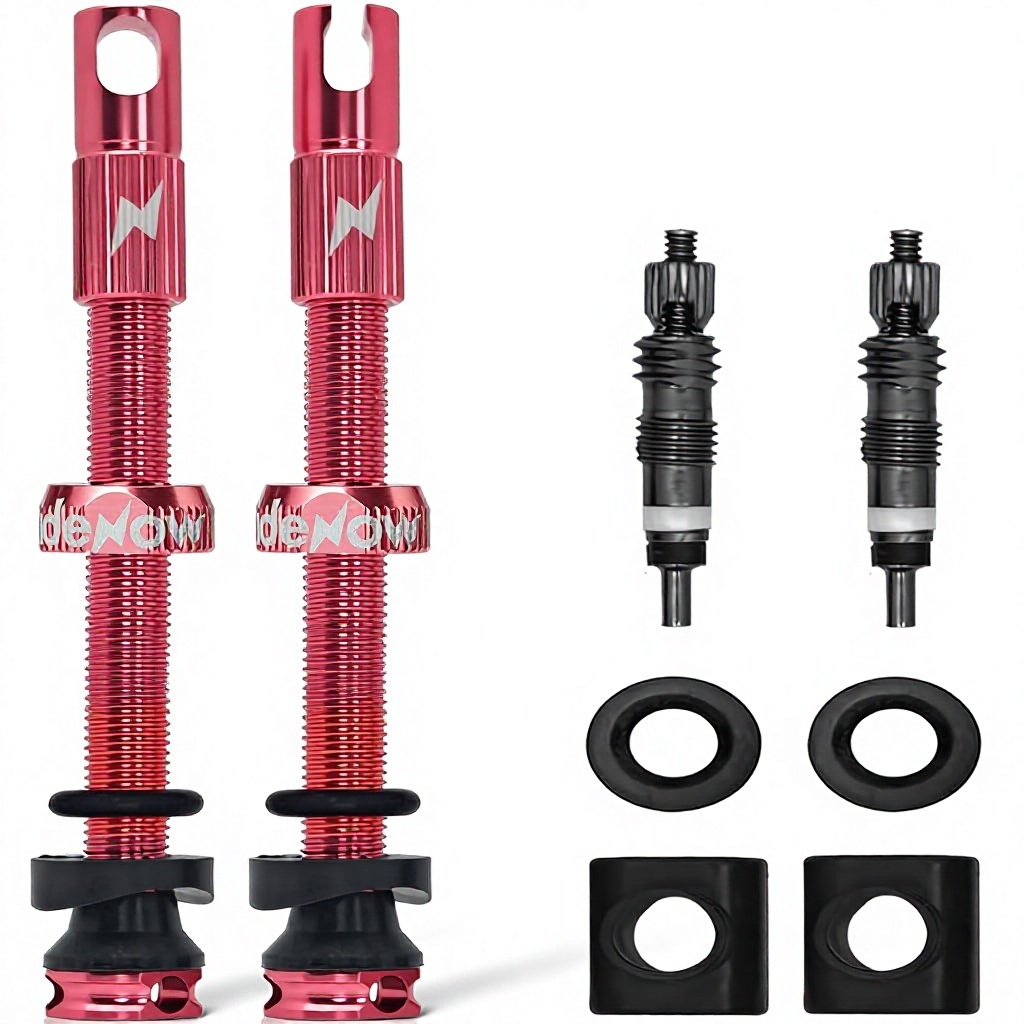
An emerging segment in Havana is the electrification of traditional cycles using retrofitted hub-drive motors and lithium battery packs. E-bikes generate higher rotational torque and sustain higher cruising speeds (30–40 km/h) over rough asphalt, causing intense stress on tire beads and inner tubes. Traditional butyl tubes experience rapid thermal-mechanical fatigue and valve tearing under sustained e-bike braking forces. JORV TPU inner tubes, integrated with reinforced CNC-machined metal valve stems and high-tenacity thermoplastic walls, provide the mechanical overhead necessary to support electric cargo conversions safely.
Procurement Inquiries from Havana Wholesalers & Mechanics
Straightforward answers regarding shipping, climate compatibility, rim braking heat, and wholesale customization.