Precision Hardware & Componentry
Industrial-Grade Cycling Solutions Available for Wholesale
Source directly from our integrated manufacturing facilities. Designed with strict German R&D oversight and certified mechanical tolerances for demanding cycling environments.
±1.5%
ISO/DIN Calibration Accuracy
2,000m²+
Advanced Manufacturing Center
30%+
Profit Reinvested in R&D
≤13h
Average Engineering Response
Technical Whitepaper: Torque Metrology in Modern Cycling Assembly
Across modern bicycle manufacturing and high-end mechanical servicing, the bicycle torque wrench has evolved from a discretionary workshop instrument into a critical quality-control asset. In regions like Coimbra, Portugal—where historical topography combines extreme mechanical inclines, variable humidity along the Mondego River basin, and an explosive expansion of athletic cycling—the micro-structural integrity of lightweight composite components demands zero-margin-of-error fastening protocols.
Carbon fiber components such as integrated cockpits, ultra-thin seatposts, and disc-brake caliper mountings possess high tensile stiffness along defined fiber orientations, but remain notoriously vulnerable to crushing shear stress under non-calibrated clamping loads. A standard variance of merely 1.5 Newton-meters (Nm) above OEM specification can induce microscopic interlaminar delamination in high-modulus carbon composites. Conversely, under-torquing leads to harmonic loosening induced by coarse cobblestones common to the historical Alta de Coimbra district, resulting in critical component displacement or bolt shear failure.
As an engineering-first manufacturer backed by research hubs in Qingdao, Düsseldorf, and Shenyang, our bicycle torque tooling suites integrate dual-directional ratcheting, high-tactile sensory release triggers, and micrometer-scale vernier adjustments. Every production batch conforms strictly to ISO 6789-1:2017 standards, guaranteeing calibrated torque fidelity across 2 Nm to 24 Nm workshop ranges and heavy-duty 10 Nm to 60 Nm bottom bracket / cassette assemblies.
Bi-Directional Internal Mechanism
Engineered with chrome-vanadium hardened planetary gears, allowing precise torque application for standard right-hand threads and reverse left-hand bottom brackets.
Auditory & Tactile Impulse
High-sensitivity ball-detent impulse system signals the precise torque threshold with a distinctive tactile click, eliminating over-torque risk on carbon cockpits.
Factory Laser Traceability
Every individual torque instrument is calibrated using computerized transducer rigs, serialized, and supplied with a certified certificate of conformity.
Coimbra Engineering Context & Local Application Scenarios
The central district of Coimbra presents a unique set of stress variables for cycling hardware. The intersection of severe geographic gradients—ranging from the steep riverside ramps near Santa Clara to the technical descents of the Serra da Lousã nearby—subjects components to sustained dynamic torsional stress. Professional service centers and cycling enterprises across the Centro region face distinct functional challenges:
Enduro & DH Maintenance in Lousã
The rugged trail networks of Serra da Lousã demand rapid multi-linkage pivot maintenance. Shock mounts, pivot bearings, and dropper clamp collars require precise factory torque to resist harmonic chassis flex and dampening load shock.
University Urban E-Bike Fleets
Coimbra's growing municipal electric mobility initiatives demand rapid maintenance workflows. Mid-drive motor assemblies, reinforced disc carriers, and high-torque hub motor axle nuts require 35–50 Nm torque application under daily service protocols.
Granfondo & Road Racing Teams
Coimbra's high-tier road cycling clubs require ultra-compact, precision pre-ride torque verification kits. Micro-clamps on aerodynamic carbon seatposts and titanium rail saddles demand sub-5 Nm accuracy to prevent cockpit slippage during mountain sprints.
Engineering Benchmark: Industrial Torque Tools vs. Generic Workshop Screwdrivers
Selecting professional tooling directly influences workshop liability, product longevity, and labor safety. The table below illustrates the critical performance benchmarks separating calibrated factory manufacturing from commodity market tools:
| Performance Specification | JORV Industrial Torque Tooling | Standard Commercial Screwdrivers | Generic Direct-to-Consumer Tools |
|---|---|---|---|
| Calibrated Accuracy Range | ±1.5% to ±3% (ISO 6789 Certified) | ±6% to ±10% Uncertified | Unverified (> ±12% Deviation) |
| Internal Pawl & Drive Material | Drop-Forged Cr-V / S2 Hardened Tool Steel | Standard High-Carbon Steel | Mild Die-Cast Alloy |
| Spring Creep Resistance | Pre-stressed alloy spring (5,000+ cycles) | Rapid spring fatigue under compression | High hysteresis; shifts calibration quickly |
| Micro-Adjustment Step Resolution | 0.1 Nm to 0.2 Nm Vernier Scale | 0.5 Nm to 1.0 Nm Coarse Markings | Printed paint scale without vernier lock |
| Traceability & Certification | Laser-etched serial with calibration sheet | Batch check only | None provided |
Emerging Procurement Trends in Portugal's B2B Cycling Market
The Portuguese bicycle sector is undergoing unprecedented industrial modernization. Widely recognized as Europe's leading bicycle assembly and production nucleus via "Portugal Bike Value" initiatives, the local domestic market has experienced a corresponding surge in quality expectations. In Coimbra, several decisive procurement trends are dominating the B2B landscape:
1. Shift Toward Fully Certified In-House Maintenance: Independent bicycle dealers (IBDs) in Coimbra and Mealhada are moving away from manual feel-based tightening. Customer expectations, driven by multi-thousand-euro carbon gravel and e-MTB purchases, now obligate workshops to document mechanical torque compliance for insurance and manufacturer frame warranty approvals.
2. Fleet Electrification Driving Demand for Heavy-Torque Tools: Urban cargo bikes and commuter e-bikes require dual-tier toolsets. While cockpits and shifters operate within 3–8 Nm, bottom-bracket torque sensors and direct-mount disc hubs require precision tools reaching up to 45–60 Nm, accelerating procurement of modular high-range torque sets.
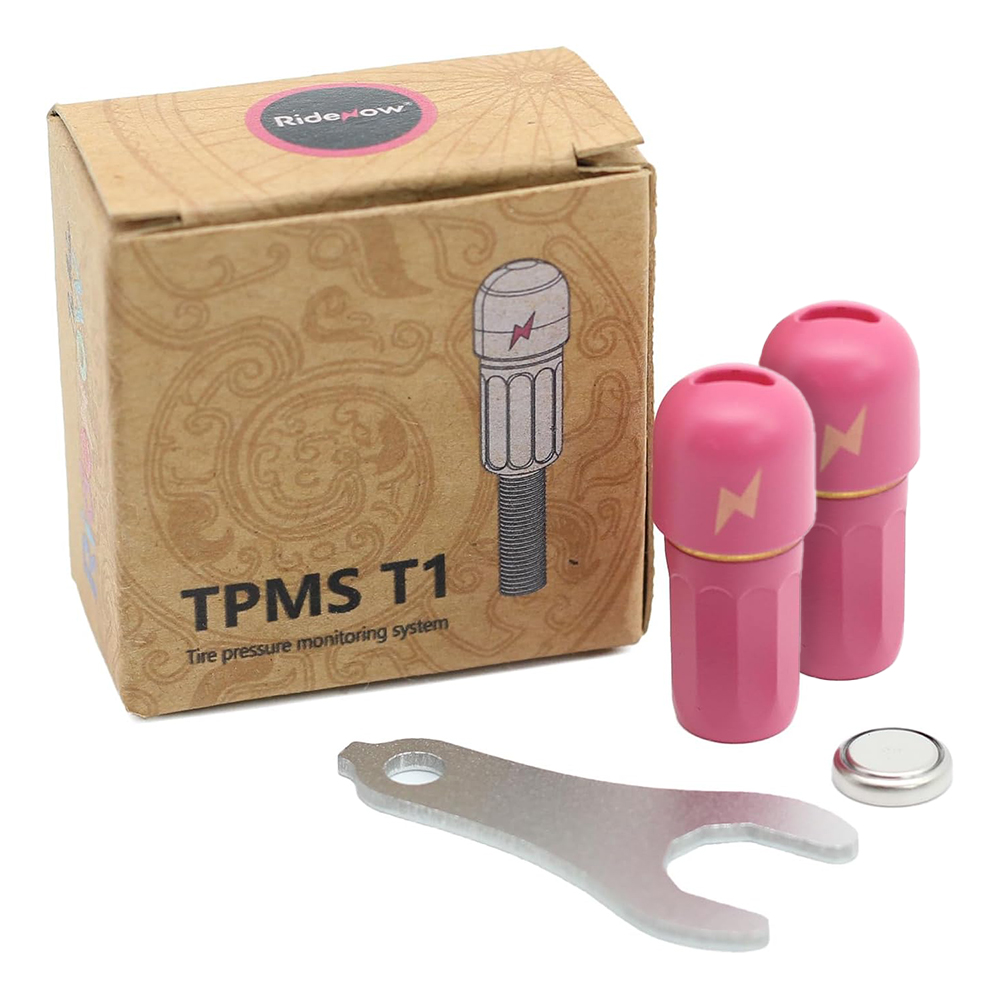
3. Integration of Smart Diagnostic Hardware: As demonstrated by JORV's T1 digital monitoring architectures, cycling mechanics increasingly prefer tools and accessories that interface with digital telemetry. Smart calibration alerts and integrated workshop workflows are replacing uncalibrated mechanical hand tools.
Factory Competencies & Technical Capabilities
Founded in 2017 by passionate cycling engineers, Qingdao JORV Technology Co., Ltd. operates with the firm conviction that mechanical cycling tooling and accessories hold boundless room for engineering refinement. Today, we supply international wholesalers, race teams, and independent workshops across Southern Europe from our specialized manufacturing foundation:
Multinational R&D Architecture
Headquartered in Qingdao with our European R&D center in Düsseldorf, Germany, branch in Shenyang, and supply-chain operations in Taiwan, we merge German engineering rigor with streamlined manufacturing scale.
30%+ R&D Reinvestment Policy
We consistently allocate over 30% of our annual profits directly into technical research, pneumatic and automated testing rigs, precision mold creation, and continuous product iteration.
Ultra-Flexible B2B Order Entry
We eliminate inventory risk for growing distributors through ultra-low introductory minimums: 20 pcs for specialized components, down to single-unit evaluation orders for workshop equipment and travel systems.
Turnkey OEM & Private-Label Services
Complete private-label custom branding, custom bit configurations, molded storage blow-cases, multilingual laser-etched markings, and tailor-made packaging ready for retail shelves.
Frequently Asked Questions: Coimbra B2B Tool Procurement
What torque tolerances are maintained across JORV bicycle torque instruments?
All our calibrated workshop torque wrenches adhere to ISO 6789-1:2017 criteria, delivering verified accuracy within ±1.5% to ±3% of indicated reading. Each individual tool is tested across its low, median, and high torque threshold and accompanied by a numbered certificate of calibration.
How can bike shops in Coimbra configure an initial wholesale evaluation order?
We support low entry-barrier sampling. Tooling evaluations can be ordered in micro-batches to allow workshop mechanics and procurement leads to test tactile accuracy, bit hardness, and durability before committing to full production runs.
What bit sets and socket profiles are standard for modern Portuguese workshops?
Our core configurations feature magnetic, high-hardness S2 steel hex bits (2, 2.5, 3, 4, 5, 6, 8, 10mm) and Torx bits (T10, T20, T25, T30), alongside deep-reach bit adapters specifically designed for hard-to-reach recessed seatpost binder bolts and disc caliper mountings.
What shipping channels and commercial delivery terms apply to Portugal?
We support comprehensive incoterms including EXW, FOB, CIF, and full DDP (Delivered Duty Paid) to Coimbra and broader Portugal. Our logistics network handles customs clearance, import documentation, and localized transport directly to your commercial warehouse.
What recalibration intervals and service cycles are recommended?
We advise recalibration every 5,000 tightening cycles or 12 months under active workshop use. Our internal spring design utilizes high-tensile pre-relaxed alloy steel that minimizes hysteresis and preserves factory calibration significantly longer than generic consumer-grade alternatives.
Equip Your Enterprise with Precision Calibration
Whether expanding your retail product line, upgrading workshop servicing assets, or creating a private-label tool brand in Coimbra, consult with our engineering sales group today.
Send an Inquiry