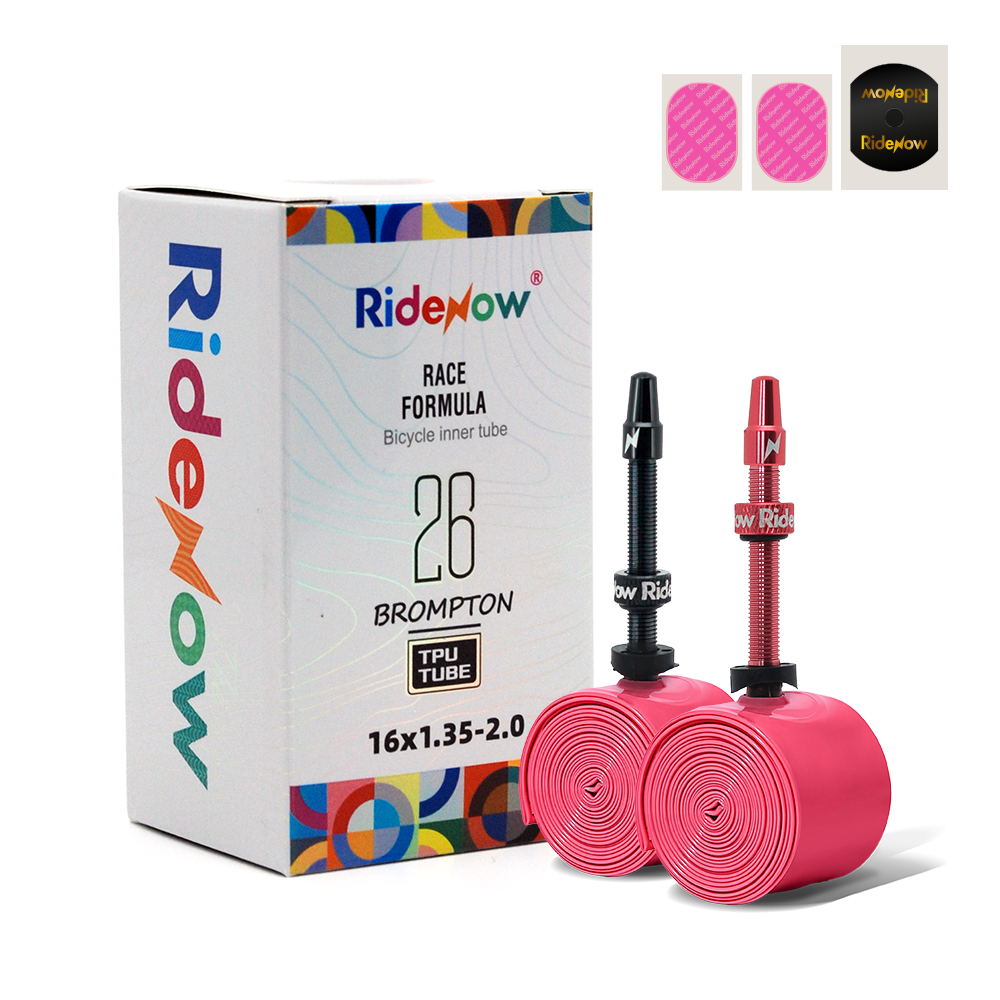
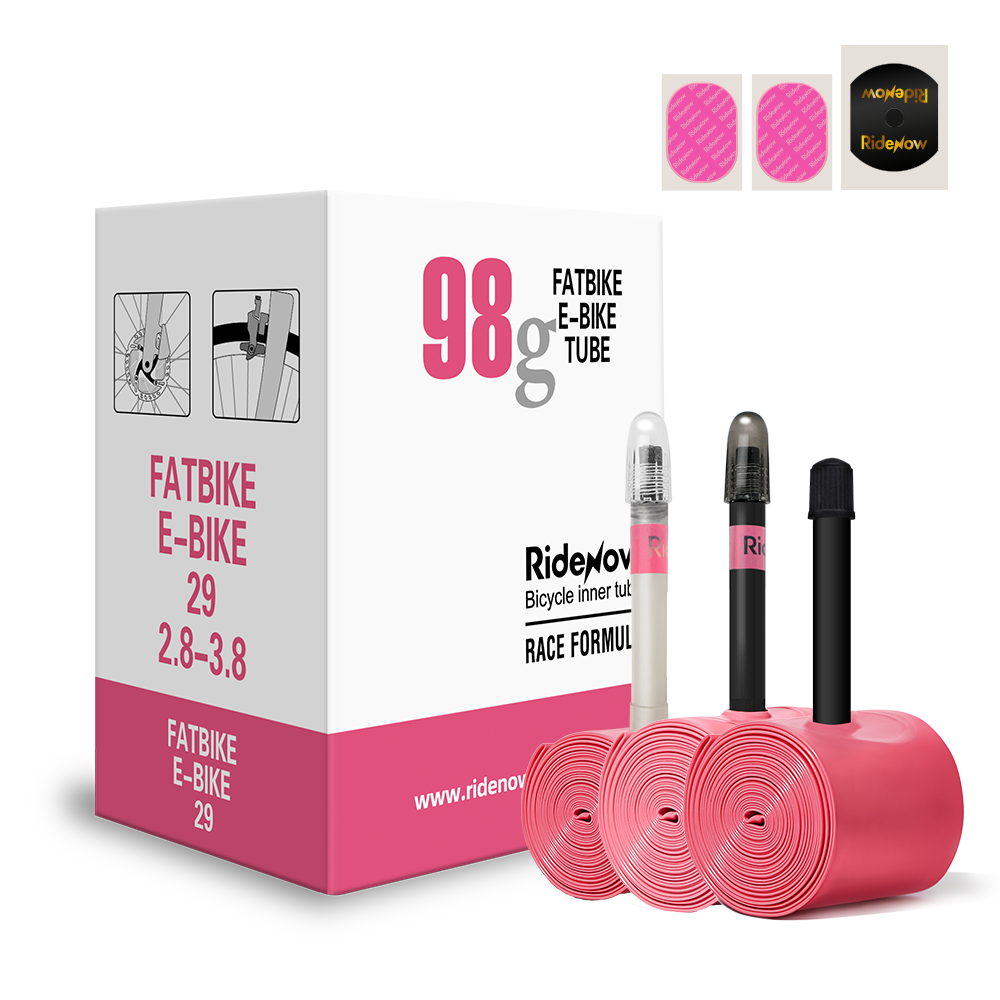
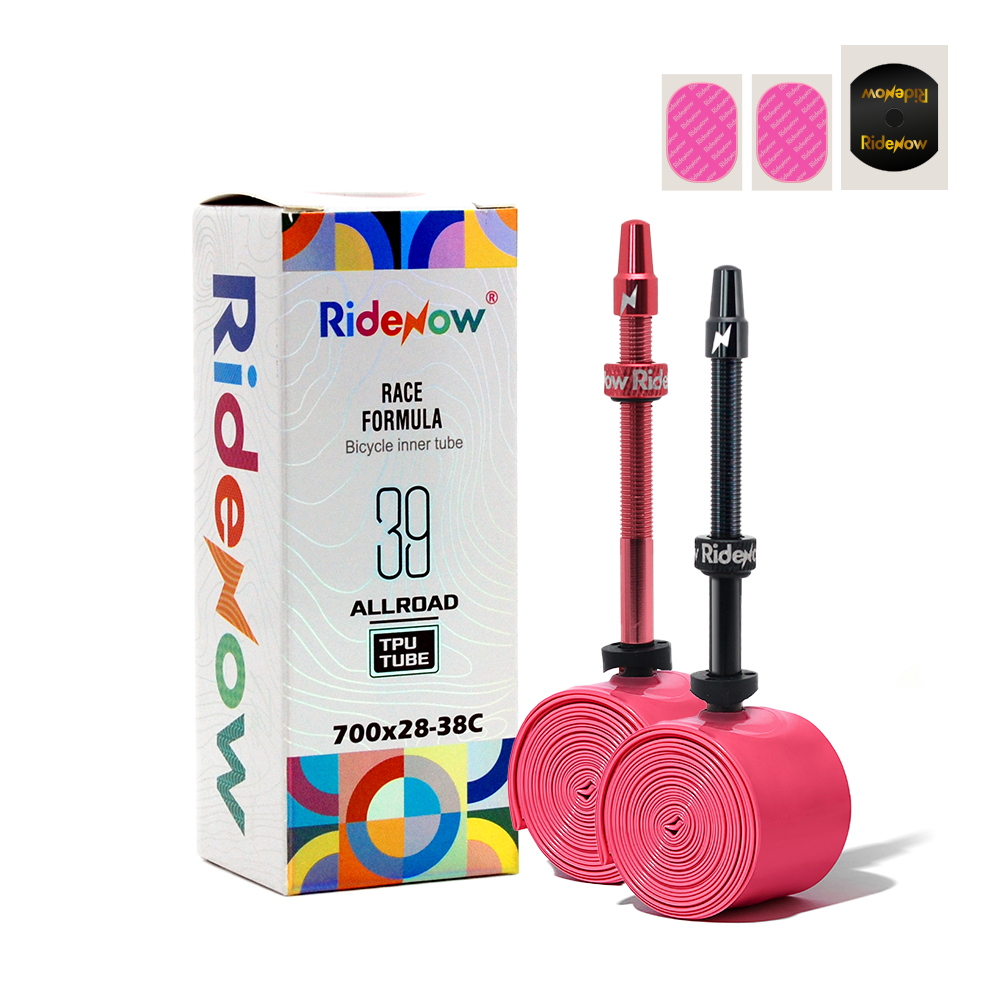
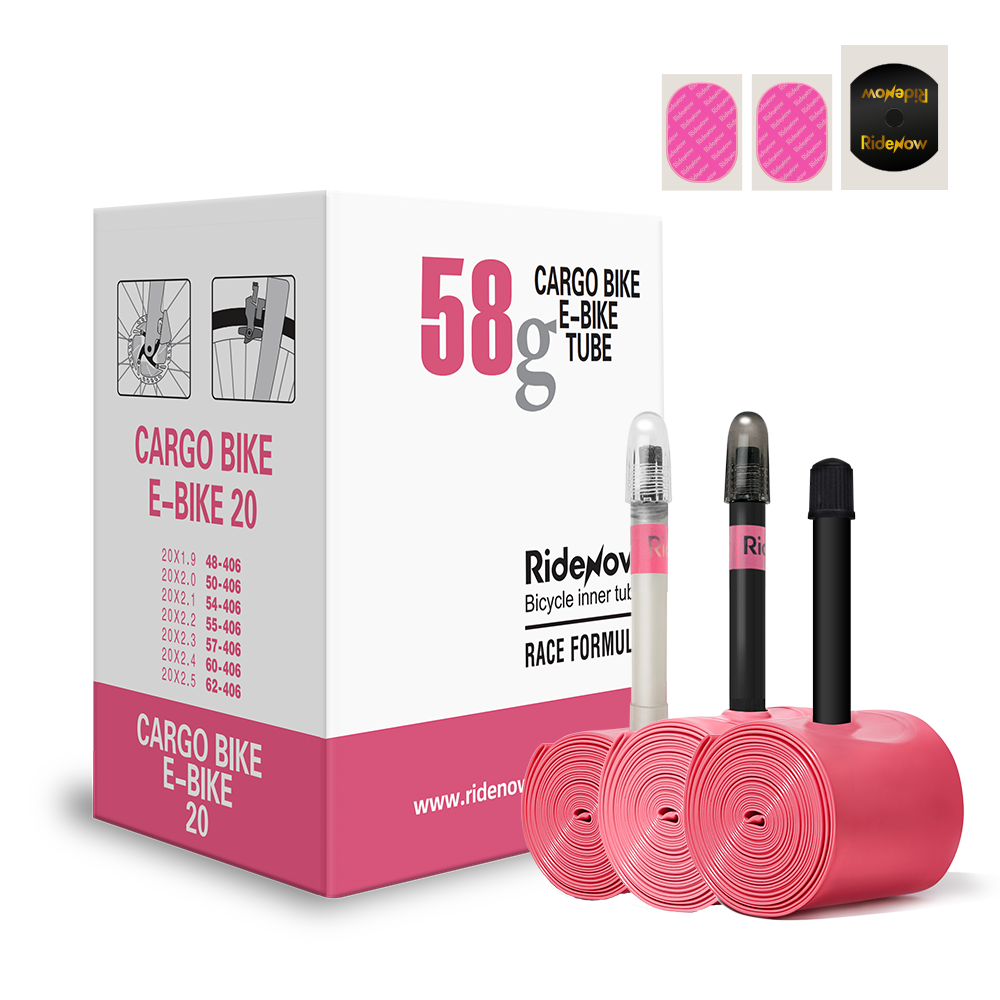
Engineering Shift: Why US Cycling Brands Are Transitioning from Vulcanized Butyl to Precision TPU Inner Tubes
In the competitive North American bicycle market, rotational inertia reduction and high volumetric packing efficiency represent the two most demanded engineering advancements across independent bicycle dealers (IBDs), gravel race organizers, and multi-channel e-commerce brands. As the premier Chinese manufacturer and global exporter of high-grade thermoplastic polyurethane (TPU) bicycle components, Qingdao JORV Technology Co., Ltd. produces high-performance inner tubes that directly resolve the mechanical, thermal, and spatial limitations historically associated with conventional synthetic butyl rubber (isobutylene-isoprene) and fragile natural latex tubes.
1. Rotational Mass Dynamics & Rolling Resistance (Crr) Mechanics
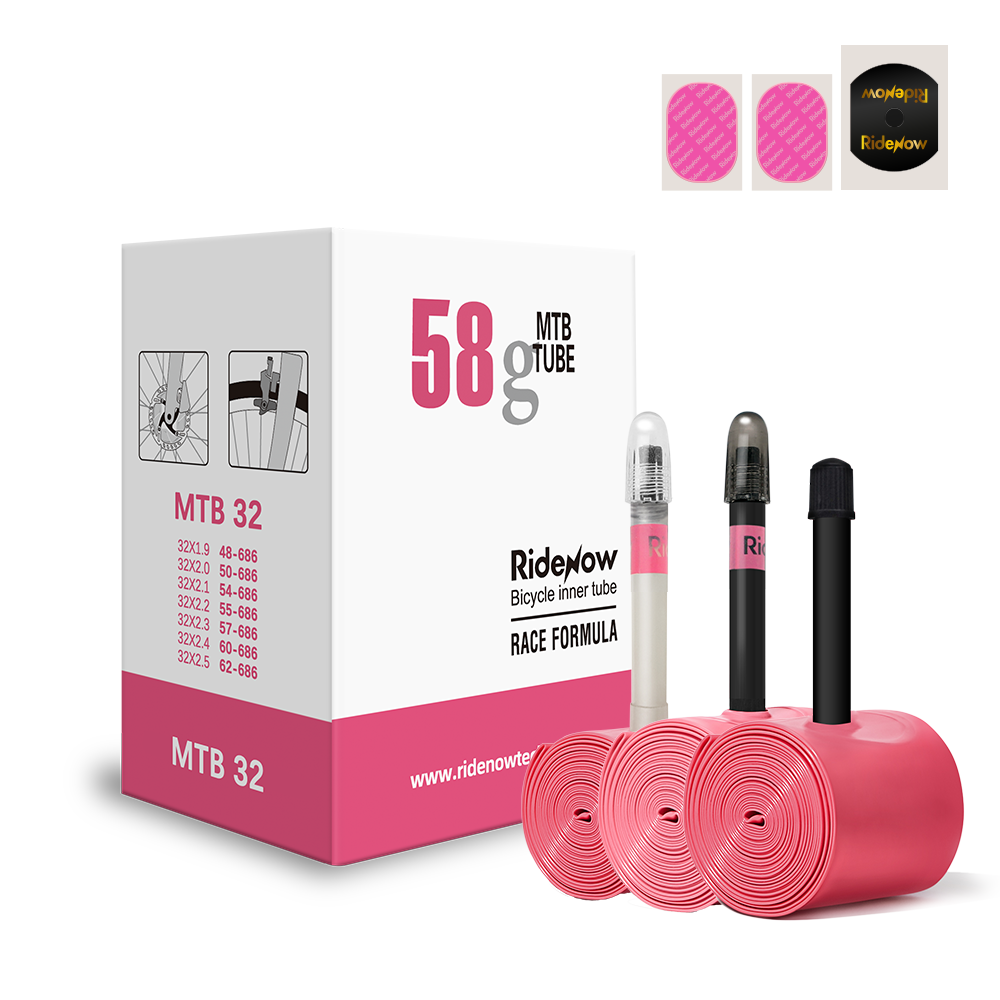
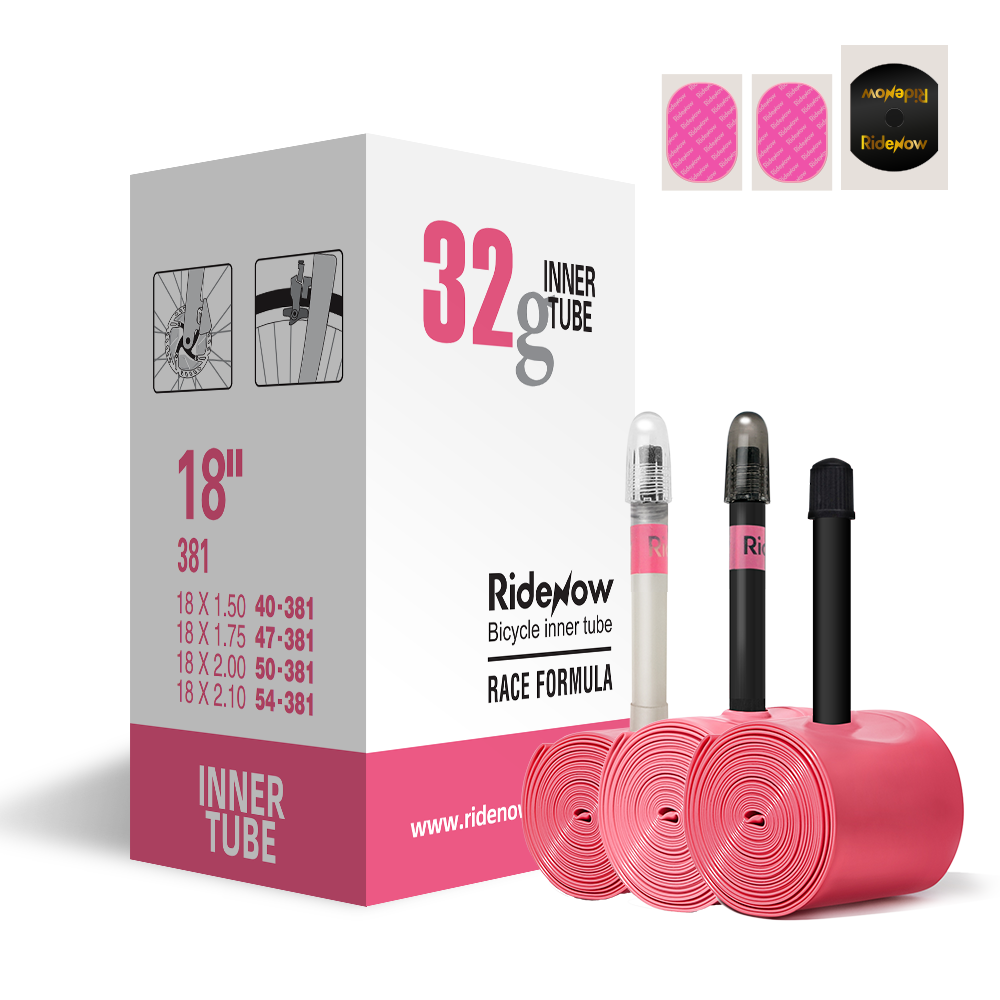
The bicycle wheel functions mechanically as a rotating flywheel. In Newtonian mechanics, the moment of inertia is governed by the equation I = m · r², wherein mass distributed furthest from the hub axis (specifically at the rim, tire, and tube perimeter) exerts an exponential penalty upon angular acceleration. Standard butyl road bicycle tubes (700x23-28c) weigh between 110 and 145 grams each. In sharp contrast, our micro-extruded aromatic polyether-based TPU road tube weighs an astonishing 28 to 36 grams, delivering a net rotational unsprung mass reduction of over 160 to 220 grams per wheelset.
During the explosive accelerations characteristic of American crit races (such as the Tulsa Tough or Intelligentsia Cup) or sustained high-cadence climbing through the Colorado Rockies, this rotational shedding translates into direct, measurable watt savings. Furthermore, our proprietary extrusion thickness of 0.28mm reduces internal molecular shear friction when the tube wall conforms to the outer tire casing during deflection, achieving a Coefficient of Rolling Resistance (Crr) reduction of approximately 1.8 to 2.4 Watts per wheel compared to standard butyl, closely mirroring the rolling efficiency of messy liquid tubeless sealant setups.
2. Material Science: Aromatic TPU Polymers vs. Conventional Rubber Formulations
Butyl rubber is a crosslinked thermoset polymer that absorbs mechanical energy via localized hysteresis, making it heavy, slow to rebound, and prone to catastrophic split failure under high-velocity pinch impacts ("snakebites"). JORV thermoplastic polyurethane utilizes an engineered molecular microstructure containing alternating hard (urethane) and soft (polyether) segmented blocks. This copolymer architecture generates extreme elastic recovery, exceptional modulus of elasticity (tensile strength exceeding 42 MPa compared to butyl's 8-11 MPa), and unparalleled puncture deflection resistance when tested with standardized 1.2mm steel needle penetration tests.
| Engineering Attribute | JORV Precision Extruded TPU | Standard Vulcanized Butyl | Natural Latex Rubber |
|---|---|---|---|
| Average 700c Road Weight | 28g – 36g | 120g – 150g | 75g – 85g |
| Tensile Strength (ASTM D412) | 42 – 48 MPa | 9 – 12 MPa | 20 – 25 MPa |
| Air Retention (PSI Drop / 7 Days) | < 3.5 PSI | < 2.0 PSI | > 25.0 PSI (Requires Daily Inflation) |
| Volume in Saddle Bag / Jersey | ~ 3.5 x 3.5 x 6.5 cm | ~ 8.0 x 6.0 x 12.0 cm | ~ 6.0 x 5.0 x 10.0 cm |
| Puncture Deflection Energy | 1.68 Joules | 0.54 Joules | 0.92 Joules |
| Tubeless Emergency Compatibility | 100% Unaffected by Residual Sealant | Prone to sticky mess / Heavy | Degraded by ammonia sealants |
3. Ultrasonic Weld Integrity & Valve Interface Metallurgy
A prevalent structural vulnerability observed in first-generation budget TPU tubes exported from unverified factories is thermal joint separation between the valve stem base and the tube body. Qingdao JORV Technology eliminated this failure mode through high-frequency micro-step ultrasonic welding coupled with our proprietary reinforced polymer junction collar. Every valve stem—whether manufactured from lightweight 7075-T6 anodized aerospace aluminum alloy or nickel-treated brass—features a mechanical interlocking flange that is molecularly bonded to the extruded TPU matrix under heat-controlled cycle presses.
Our quality assurance protocol subjects 100% of manufactured export lots to a mandatory 48-hour hydrostatic expansion leak chamber inspection at 1.5x nominal operating pressure prior to boxing. This stringent zero-defect policy guarantees that US importers and retail brands receive a finished product with an industry-leading return merchandise authorization (RMA) rate of less than 0.08%.