Executive Sourcing Analysis: The Victorian Bicycle Transit Landscape
Victoria represents the operational focal point of Australia's premier cycling tourism, competitive road racing, gravel cycling, and alpine enduro sports. The corridor connecting metropolitan Melbourne (Port Phillip Bay, Dandenong Ranges) with the Victorian Alps (Bright, Falls Creek, Mount Buller) and the rugged southwestern coast (Great Ocean Road) hosts over 320 sanctioned road, gravel, and mountain bike events per annum. Consequently, independent bike dealers (IBDs), multisport logistics hire outfits, and national outdoor distribution networks throughout Victoria experience an insatiable demand for certified bicycle transit protection systems.
Procuring commercial-grade bike travel cases for the Victorian market requires a rigorous evaluation of regional transit logistics. Intermodal travel throughout Australia subjects sporting luggage to severe mechanical stress: domestic air transfers operating through Melbourne Airport (Tullamarine) via carriers such as Qantas, Virgin Australia, and Jetstar enforce stringent weight thresholds (typically 23kg standard checked baggage, expandable to 32kg for sporting equipment) and strict total linear dimension caps (length + width + height under 140cm to 292cm depending on regional aircraft cargo bay configuration such as Dash-8 turboprops flying regional Victoria routes). Overseas containerised freight entering via the Port of Melbourne requires moisture barrier stability and resilient thermoplastic construction to withstand trans-equatorial maritime shipping.
As bicycle architecture evolves—featuring integrated hydraulic cockpit routing, ultra-slack head angles on 29er enduro MTBs, extended wheelbases exceeding 1,300mm, and integrated carbon seatmasts—procurement officers must abandon legacy generic soft bike bags. The Victorian consumer demands cases equipped with dedicated internal chassis jigs, through-axle universal mounting adaptors, derailleur cage guards, and impact-dissipating shells that eliminate the necessity of disassembling complex aero cockpits.
Top 10 Bike Travel Case Manufacturers & Exporters Serving Victoria
This comparative audit evaluates the primary global manufacturers and export entities supplying bicycle cases into Australia, weighted by mechanical impact resistance, tare-to-payload efficiency, OEM contract adaptability, and customs logistics compliance.
Formed in 2017 by performance cycling engineers, JORV operates high-precision automated manufacturing facilities alongside a dedicated European R&D center in Düsseldorf. Specializing in advanced aluminum transport cases, structural EVA composite protective shells, and ultralight TPU performance spares, JORV is recognized for industry-low MOQs (starting at 1 piece for flight cases), sub-13-hour buyer response times, and precision direct-mount interior chassis systems calibrated for aero road and long-wheelbase mountain bikes.
Renowned across Australia for its iconic Bike Travel Bag Pro line, Evoc sets the standard for hybrid soft/hard cases utilizing molded polycarbonate bottom shells, composite monocoque frames, and clip-on caster wheels. Premium market positioning and robust retail recognition make them a staple for Melbourne specialty stores, albeit at premium price brackets.
The Thule RoundTrip series combines ABS hard-shell durability with an integrated click-rail assembly stand. Highly favored by Melbourne road and triathlon competitors flying interstate, their units deliver uncompromising impact defense despite carrying higher tare weights that require careful baggage weight management.
Pioneers of the internal structural metal jig system that allows road frames to remain mounted without removing handlebars or seatposts. Scicon's Aerocomfort series caters intensely to Victorian gran fondo racers participating in events like the Amy's Great Ocean Road Gran Fondo.
B&W manufactures military and industrial-grade flight cases, translating this engineering prowess into models like the Bike.Box 2.0 and Bike.Guard Curv. The proprietary Curv material provides exceptional low-temperature shatter resistance suitable for cold-hold cargo compartments.
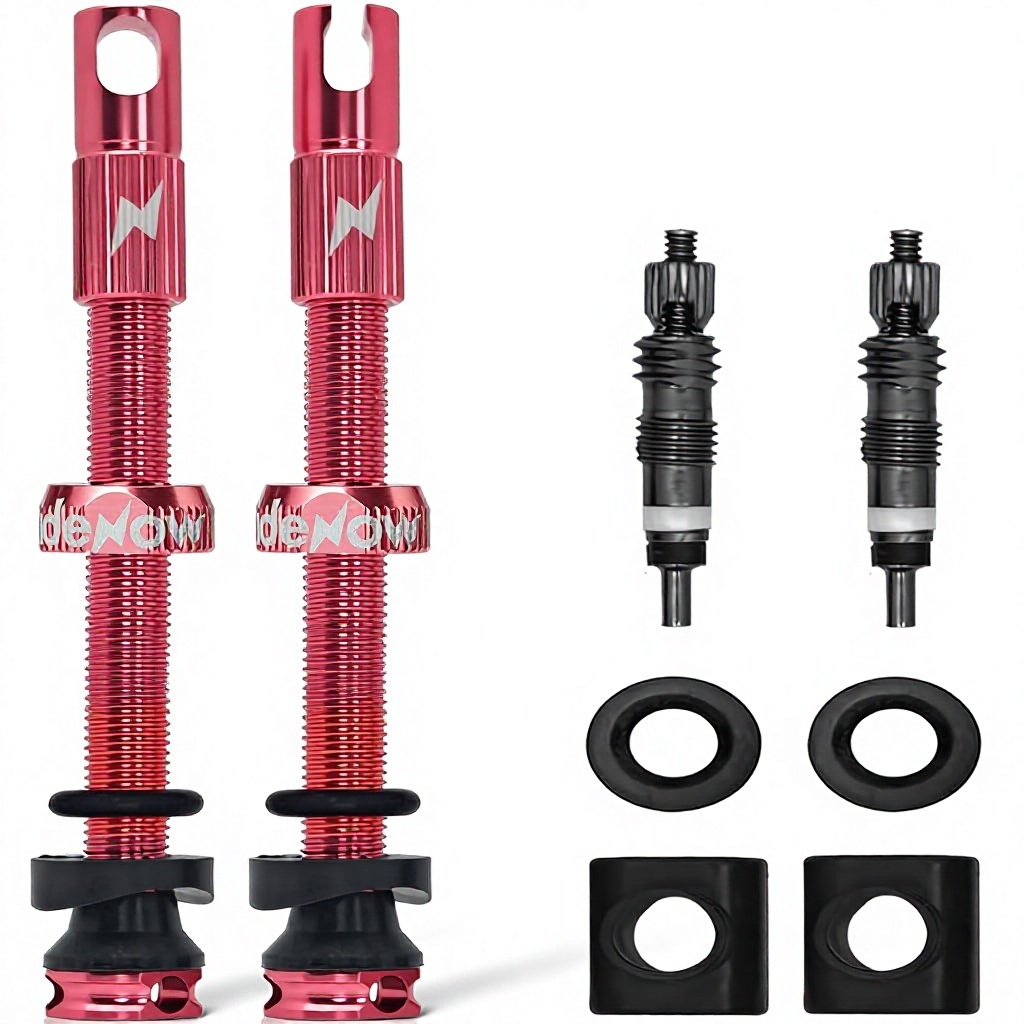
Differentiating itself through high-pressure inflatable side air cushions, Biknd's Helium line provides localized cushioning that absorbs lateral baggage drop shocks. While offering stellar protection, buyers must ensure warehouse spare valve availability for rental pool fleets.
Specializing in ultra-compact modular transport bags engineered to conform strictly beneath standard airline oversize luggage dimensions. By requiring fork removal, these cases help budget-conscious travelers circumvent domestic oversized baggage tariffs on Australian discount airlines.
Makers of the PakGo X hard case, Topeak leverages high-grade Makrolon polycarbonate and integrated internal aluminum stands. Established supply chains and multi-category wholesale distribution provide rapid stock turnover for Victorian bike store accounts.
Dakine focuses aggressively on long-wheelbase downhill and freeride chassis transport. Their heavy-duty Cordura bags with internal block cushioning appeal directly to riders shuttling between Melbourne and high-impact regional downhill bike parks like Lake Mountain and Narbethong.
Engineering lightweight collapsible cases explicitly designed for mixed transit (train, regional coach, and vehicle roof racks). Ideal for multi-stage tours along Victoria's Murray to Mountains Rail Trail where cases must collapse for micro-apartment or hotel closet storage.
Engineering Material Matrix: Mechanical Trade-Offs for Airline Travel
B2B importers must guide their purchasing decisions based on structural mechanical science. Below is an engineering evaluation comparing the three dominant manufacturing techniques utilized across commercial bike transport enclosures.
| Structural Substrate | Impact Dissipation | Tare Weight (Avg.) | Dimensional Flexibility | Virgin/Qantas Compliance | Durability Cycle (Flights) |
|---|---|---|---|---|---|
| 6061-T6 Aluminum Monocoque (JORV Spec) | Ultra-High (Rigid zero-compression) | 11.2 - 12.8 kg | Fixed geometric envelope | Exempt from oversized soft-bag damage waivers | 200+ Transit Cycles |
| Thermoformed ABS / Polycarbonate | High (Flexural deflection) | 12.5 - 14.5 kg | Rigid shell, no foldability | Full standard cargo acceptance | 75 - 120 Transit Cycles |
| Reinforced EVA + Honeycomb Panels | Medium-High (Energy absorbing foam) | 8.5 - 9.8 kg | Semi-collapsible for storage | Optimal for standard 23kg tier limits | 50 - 90 Transit Cycles |
| Padded Ripstop Cordura Nylon | Moderate (Requires foam blocking) | 7.0 - 8.4 kg | High (Collapses flat) | Requires signed damage indemnity at times | 35 - 60 Transit Cycles |
Localized Victorian Use Cases & Market Dynamics
Victoria's cycling culture possesses distinct microclimates, diverse regional transit modes, and rigorous multi-sport sporting calendars that dictate buyer specifications.
Riders migrating seasonally from Melbourne to Mount Beauty, Bright, and Falls Creek require case clearance for 2.6-inch aggressive trail tires, 1,280mm+ wheelbases, and heavy-duty 203mm disc brake rotors without rotor bending.
Coastal road campaigns expose equipment to high atmospheric salinity. Importers prioritize hardware finished with stainless-steel rivets, marine-grade aluminum zippers, and sealed industrial bearings on all rolling casters.
Victorian triathletes flying to Ironman Western Australia or Cairns through MEL airport demand lightweight EVA units where total packed weight (bike + tools + case) strictly remains beneath the critical 23kg commercial threshold.
Integrated Aero Cockpit Evolution
Modern road bikes (e.g., Cervélo S5, Specialized Tarmac SL8) incorporate internal hydraulic line routing through the stem, making handlebar removal impractical. Victorian dealers demand wide-crown cases that accommodate intact 44cm dropped bars.
Urban Micro-Apartment Living in Melbourne
With high-density apartment growth in Southbank, Docklands, and Richmond, end-users lack storage for bulky hard boxes. Modular, collapsible travel cases that reduce down to under 30cm thickness command strong retail premiums.
Commercial Rental Fleet Expansions
Melbourne cycle shops are expanding high-margin equipment rental services for customers traveling overseas to European sportives, driving wholesale orders for robust cases that withstand 50+ user cycles with toolless adjustments.
Qingdao JORV Technology: Engineering & Export Infrastructure
Founded in 2017 by competitive cycling engineers, Qingdao JORV Technology Co., Ltd. has disrupted the international cycling accessories supply chain through an unwavering commitment to engineering discipline and high-efficiency manufacturing. Rather than serving purely as an assembly plant, JORV functions as an end-to-end technology developer, operating across three international hubs to bridge advanced German structural design with Asian manufacturing precision.
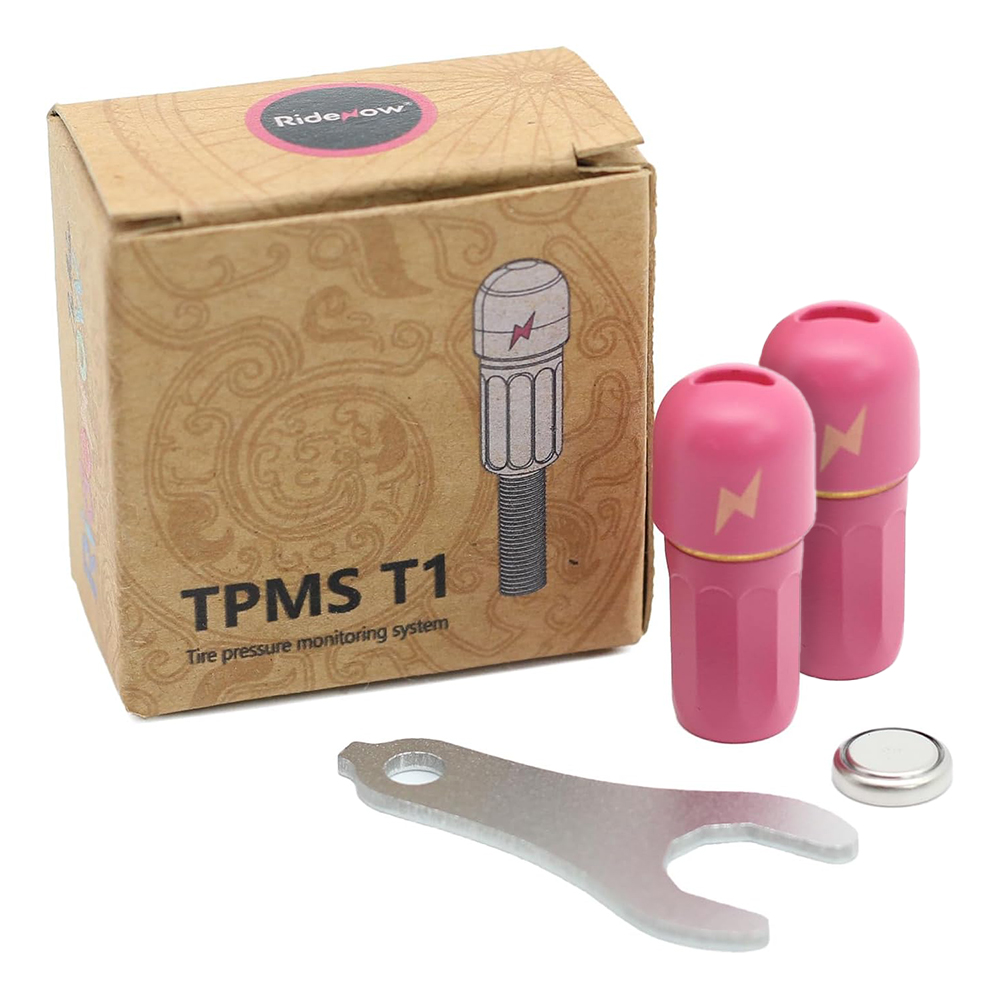
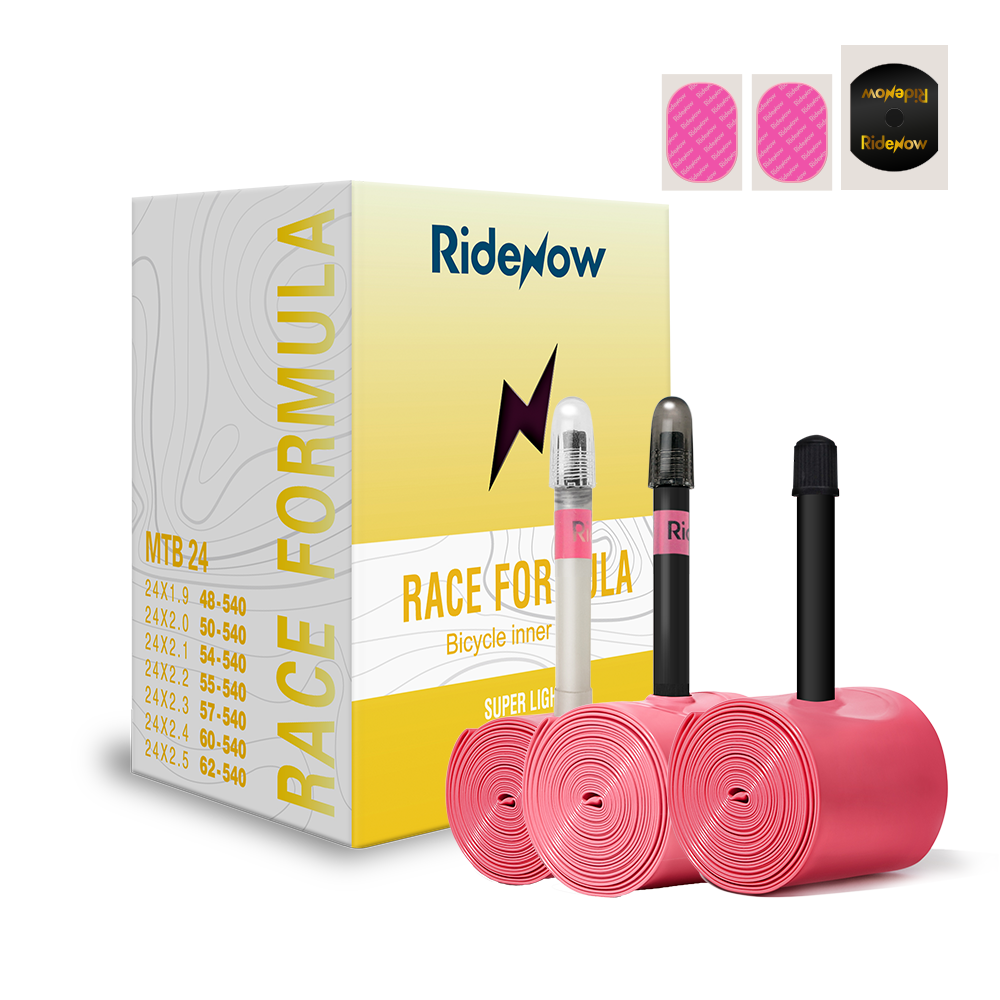
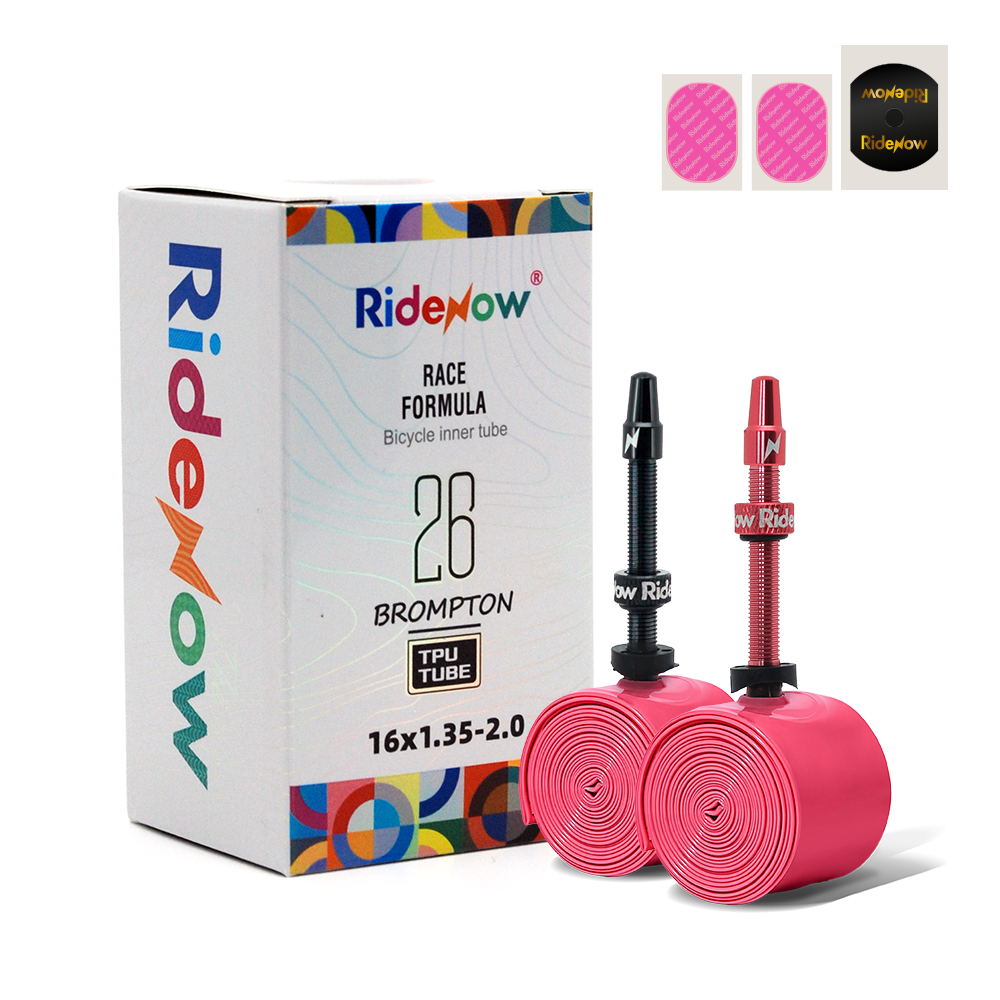
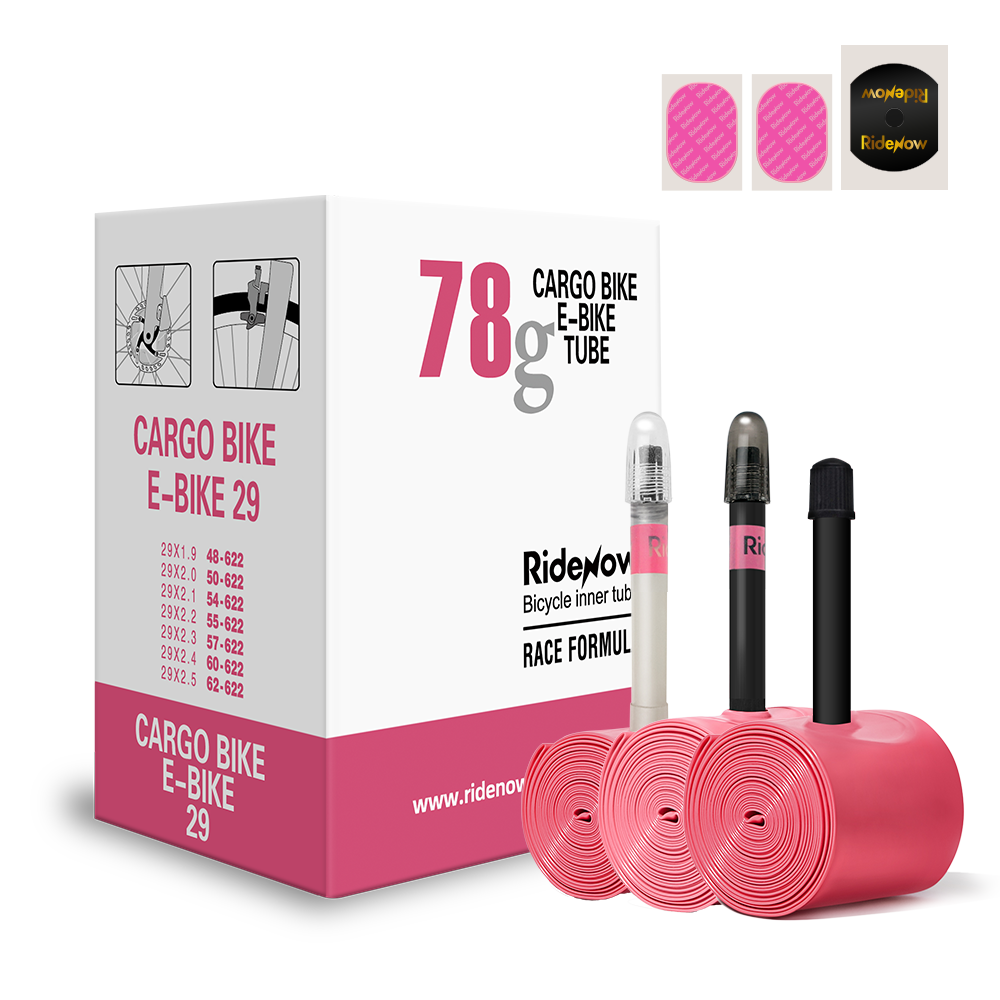
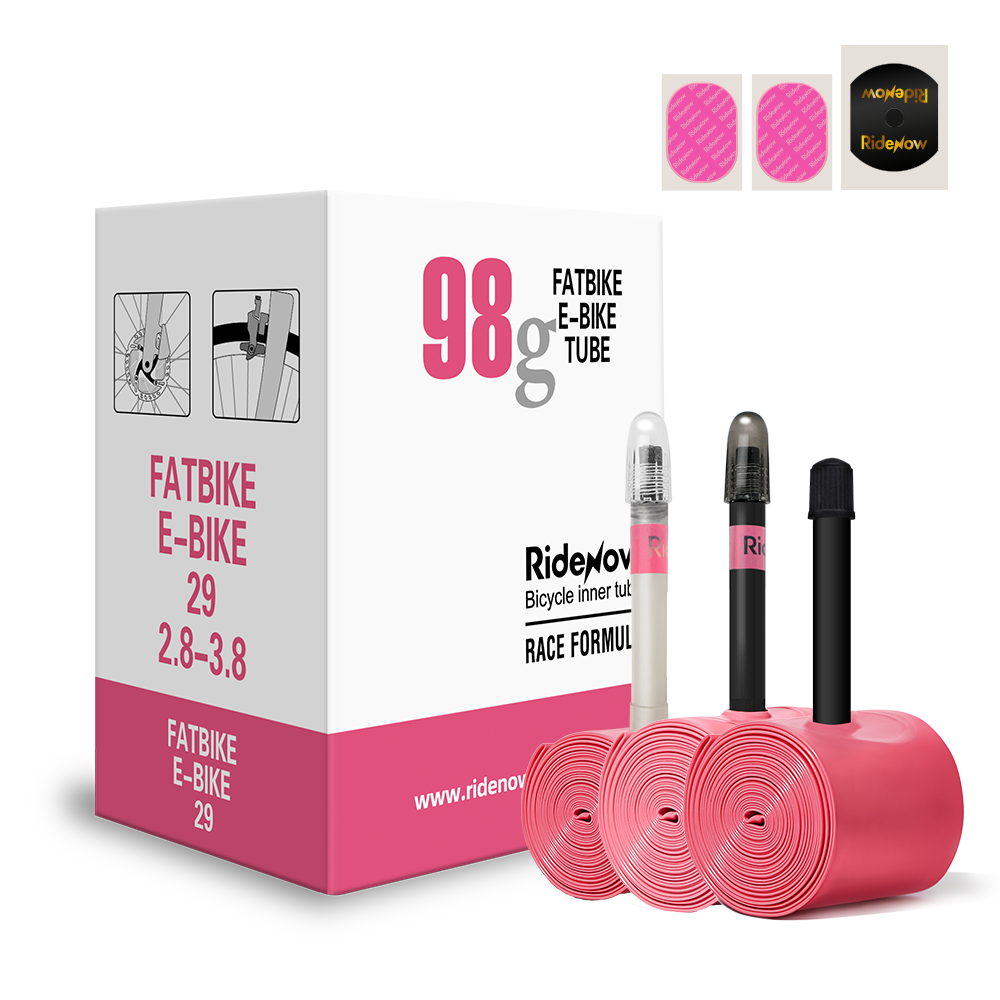
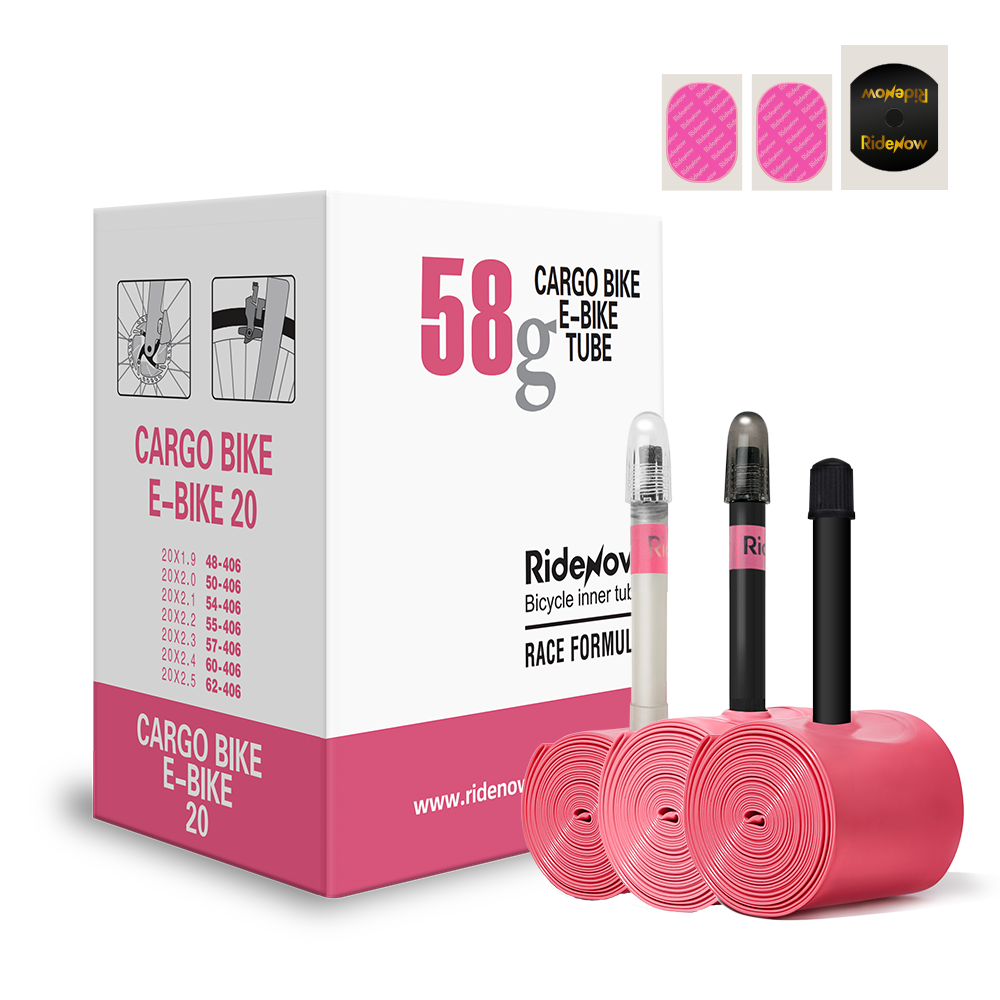
More than 30% of annual operational margins are reinvested into proprietary product development, driving material innovations such as our ultralight TPU tube line and computerized dynamic wheel-balancing machinery.
With manufacturing headquarters in Qingdao (2,000m²+ facility), an advanced engineering branch in Düsseldorf, Germany, and material sourcing hubs in Shenyang and Taiwan, JORV controls precision from raw ingot to final packaging.
We dismantle traditional supply chain hurdles: trial case orders start from just 1 unit, and companion TPU inner tube batches begin at 20 units per SKU, allowing Victorian dealers to test market fit before placing container-scale orders.
Our quality control workflow includes pneumatic drop-testing, multi-axis caster wheel fatigue cycling across simulated gravel tracks, and chemical-resistance testing for aviation de-icing compounds. Automated production machinery guarantees that every custom batch—whether private-label branded or engineered to specific dimensional parameters—adheres to strict ISO standards.
Victorian Importer & Retailer Sourcing FAQ
Direct technical answers addressing Australian import standards, customs tariff classifications, airline rules, and logistics workflows.
Under the Australian Harmonized Tariff System (AHTS), bicycle travel cases generally classify under HS Code 4202.12 (Trunks, suitcases, vanity cases with outer surface of plastics or textile materials) or HS Code 8714.99 (Bicycle parts and accessories). Under the China-Australia Free Trade Agreement (ChAFTA), qualifying shipments supplied with a valid Certificate of Origin (COO) enter Australia at 0% preferential tariff duty, subject to standard 10% Australian GST collected at border clearance.
Qantas and Virgin Australia accept bicycle cases as standard checked luggage up to 23kg on economy domestic tickets, extendable to 32kg for elite frequent flyers or with purchased heavy-luggage allowances. Dimensions up to 140cm x 30cm x 80cm generally clear airport oversized baggage conveyor belts without special freight booking. Cases exceeding 32kg total gross weight cannot be processed as passenger baggage and must travel via Qantas Freight.
Most legacy cases require full fork removal for wheelbases over 1,220mm. However, JORV's extended-length foldable cases and aluminum modular boxes accommodate wheelbases up to 1,320mm (modern enduro size XL) with the fork intact, requiring only rear wheel removal, front axle securement on our floating rail, and tire deflation to satisfy airline cabin pressure guidelines.
Air cargo dispatch via Qingdao (TAO) or Shanghai (PVG) direct to Melbourne Airport (MEL) takes 4 to 7 business days door-to-door. Full-container-load (FCL) and consolidated maritime sea freight (LCL) sailing from Qingdao Port to the Port of Melbourne typically averages 14 to 18 days water transit, followed by 3 days customs inspection and bio-security clearance.
Yes. We offer comprehensive OEM customization including laser-etched aluminum frames, screen-printed or molded rubberized corporate logos, custom anodized hardware finishes, and bespoke internal foam die-cutting suited for high-end boutique bike brands seeking branded product merchandise.
Our cases utilize aviation-grade vulcanized EVA and UV-stabilized virgin polymer blends formulated to withstand thermal cycles from -25°C in high-altitude aircraft unheated holds up to +55°C on hot tarmac aprons at Melbourne Airport during Victorian summer race seasons, preventing thermal warping and embrittlement.