Curated B2B Export Portfolio for Belgian Retailers
Direct wholesale allocations for independent bicycle dealers (IBDs), pro racing pelotons, and cycling distributors across West Flanders and greater Belgium. Featuring factory-direct RideNow and JORV technology.
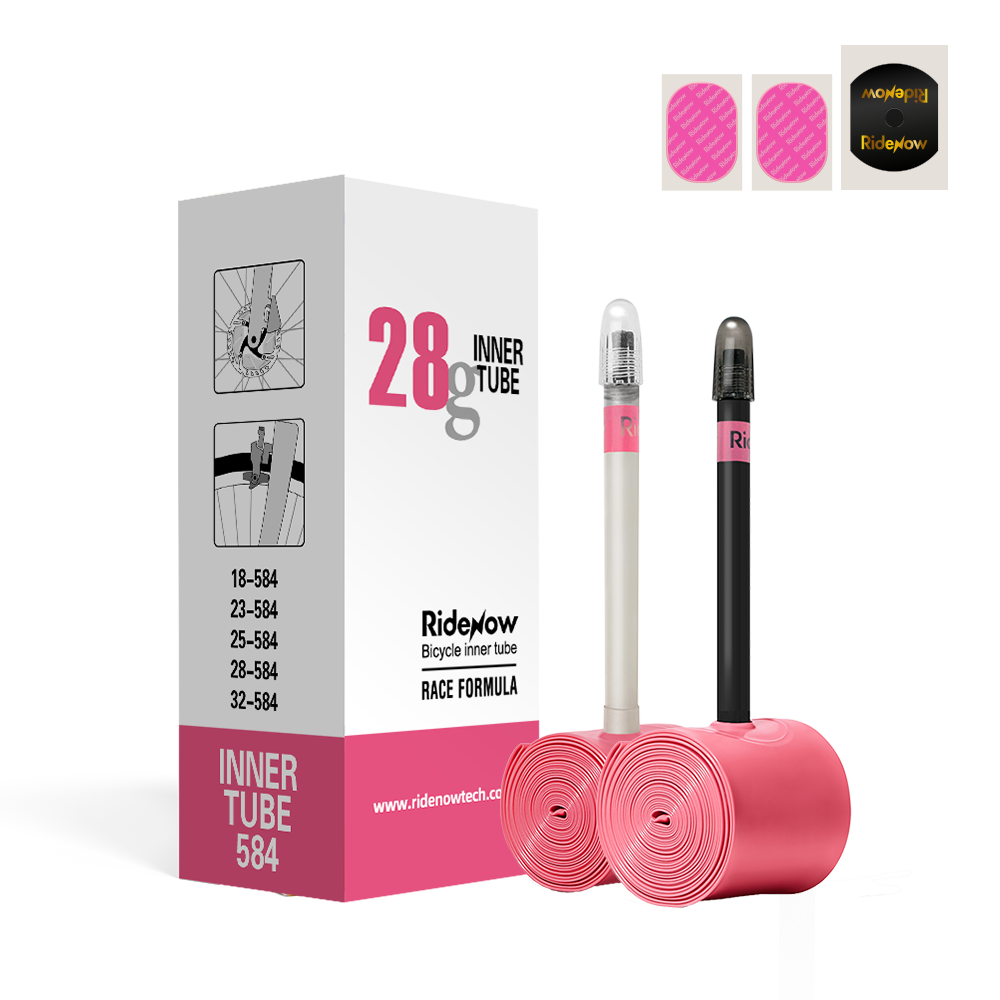
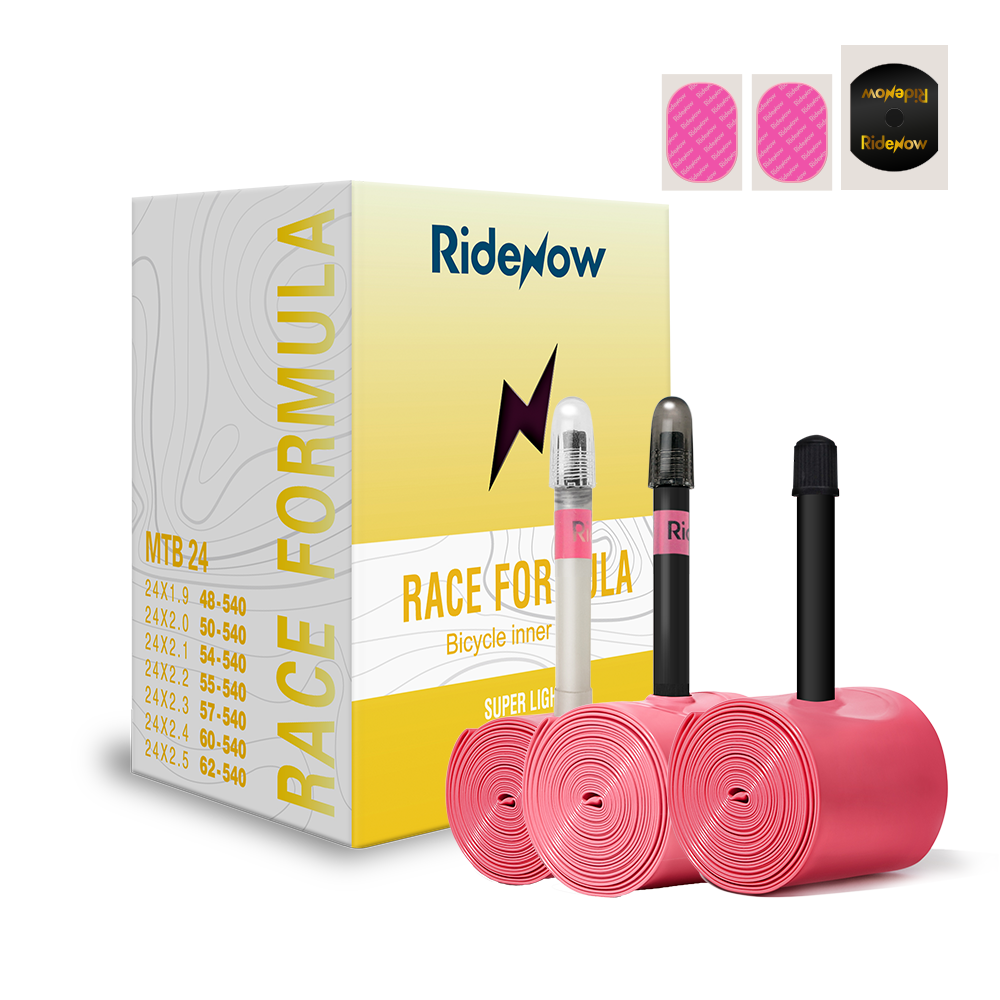
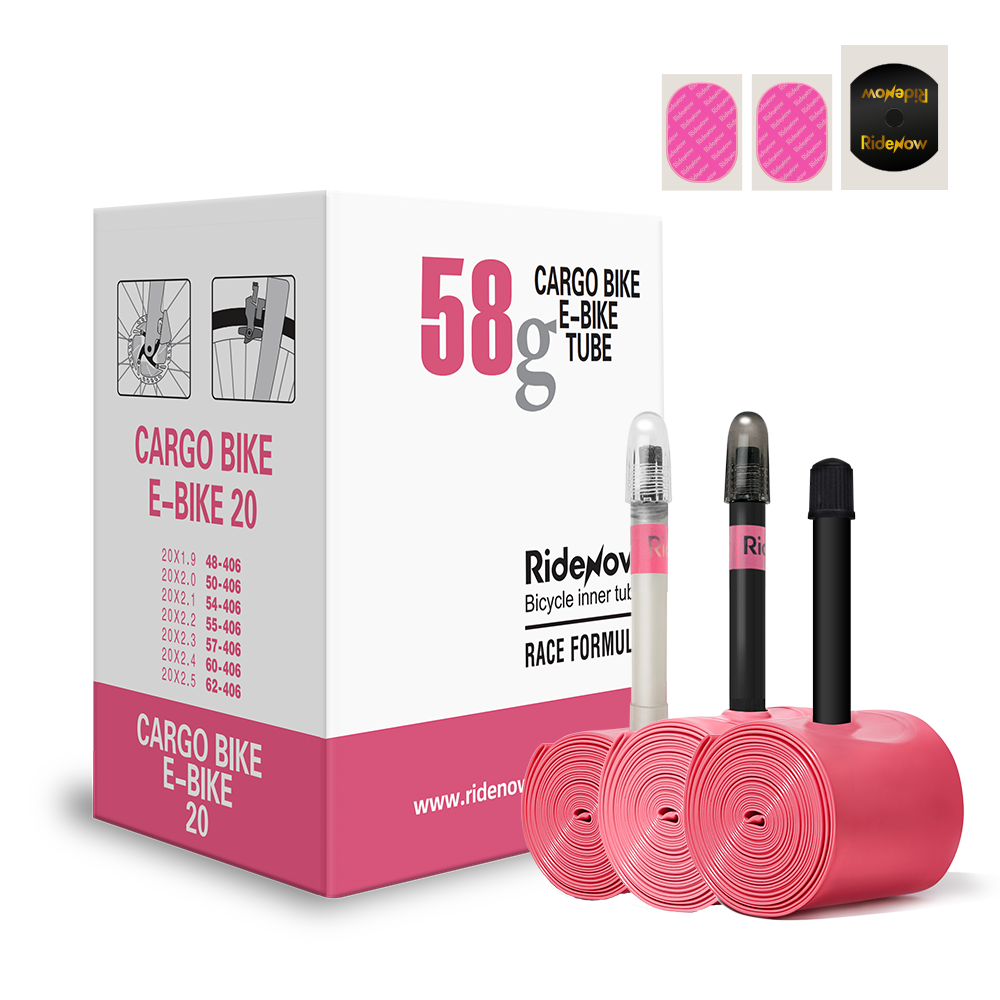
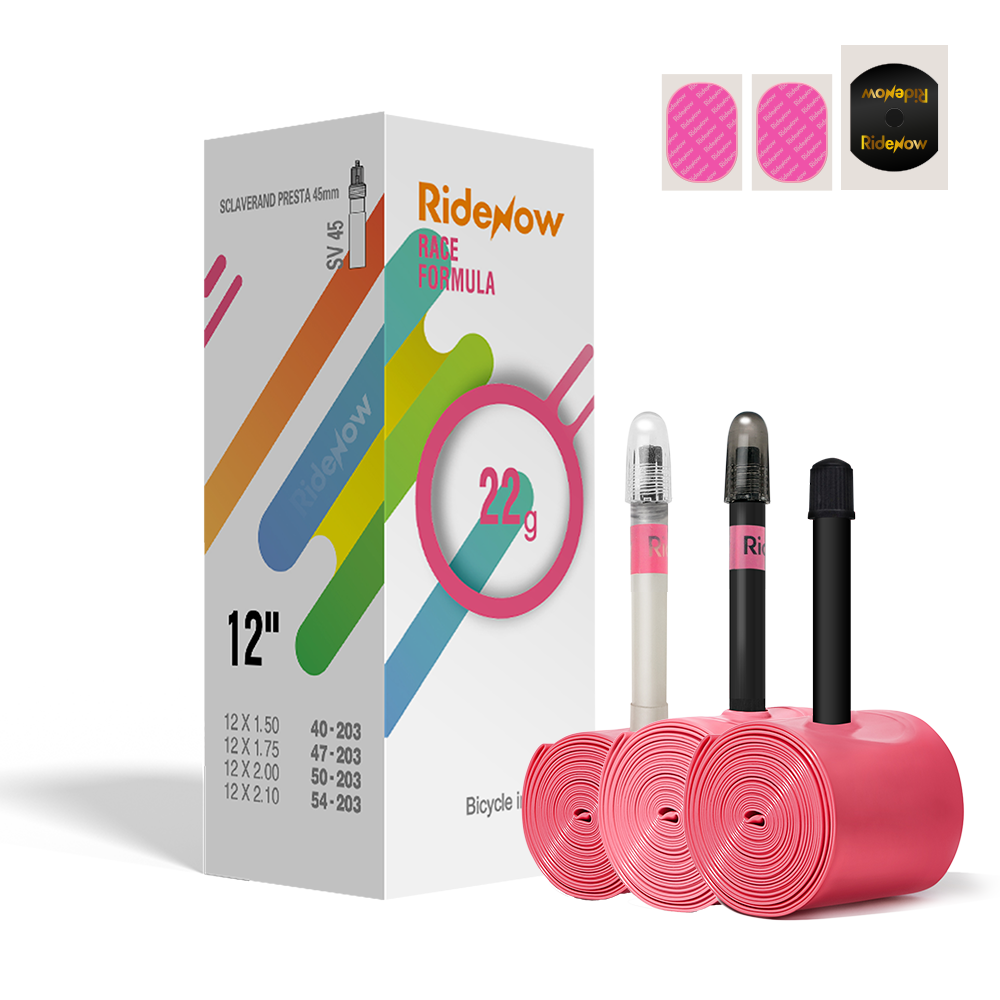
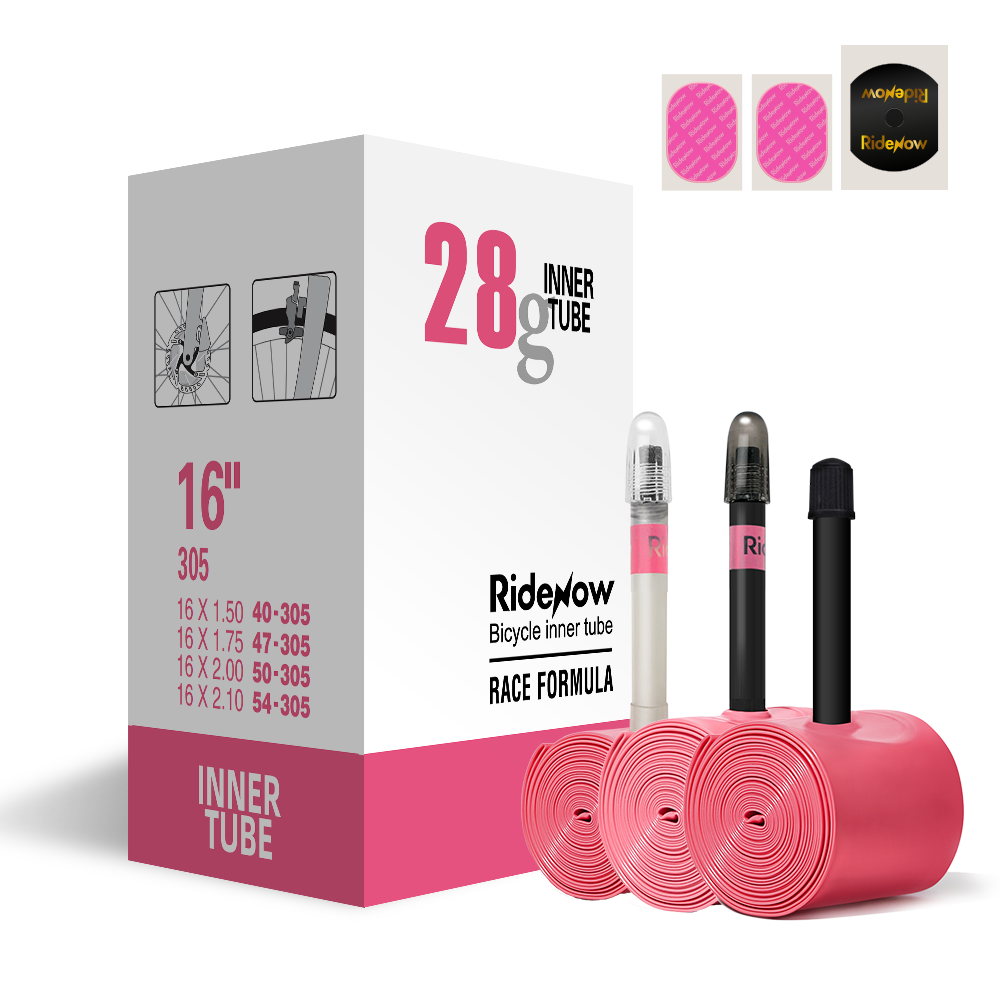
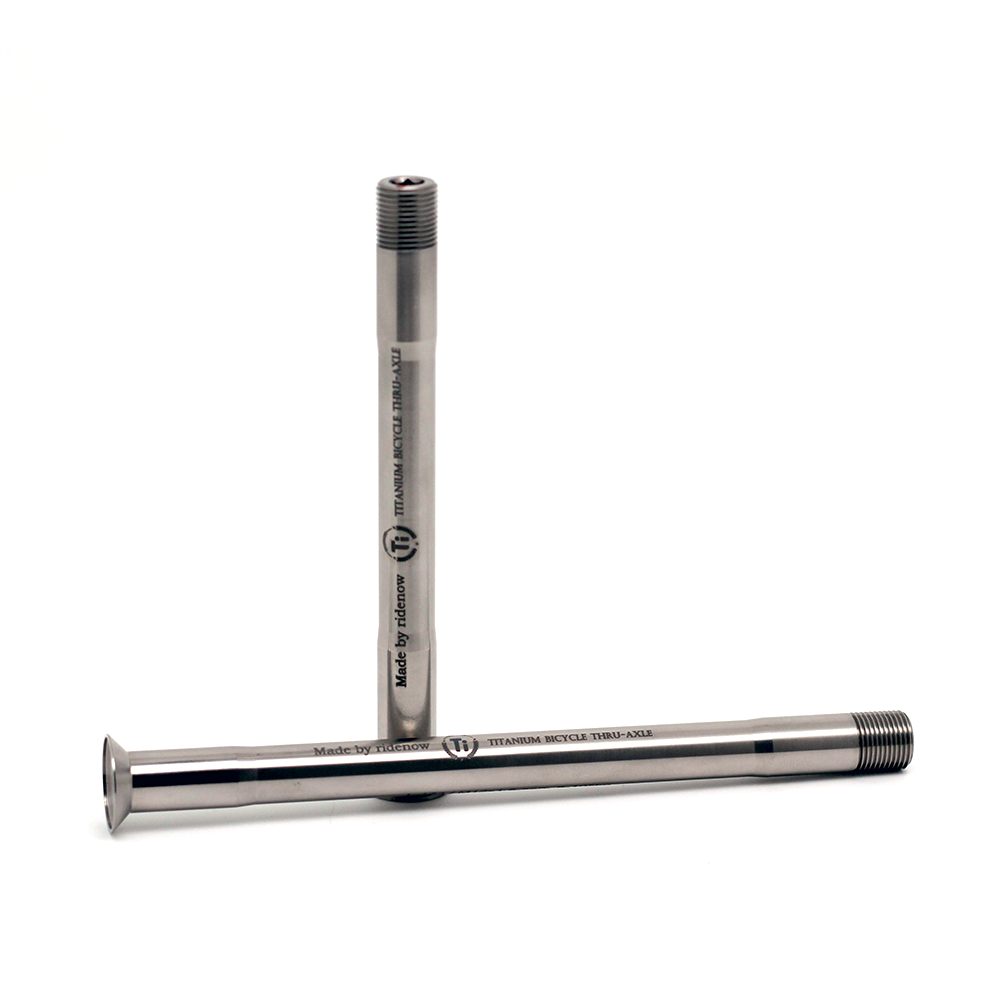
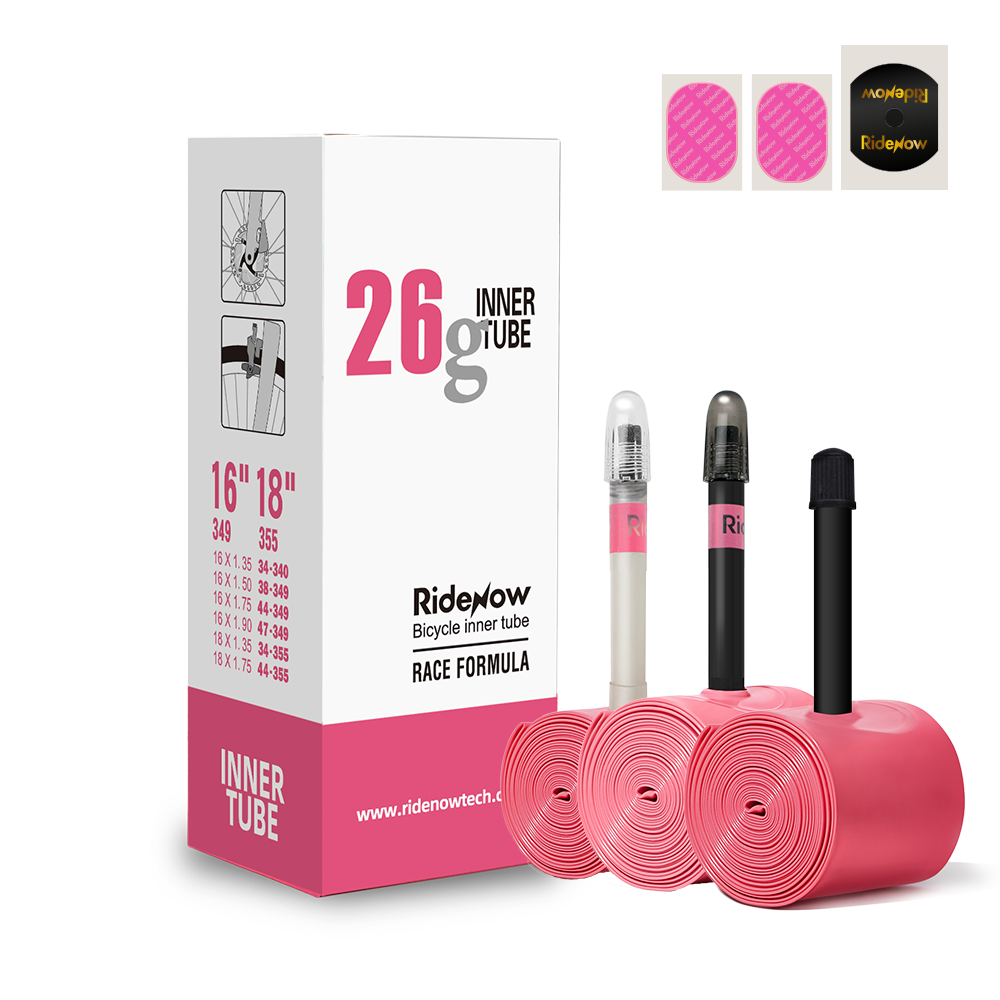
Engineering Whitepaper: Thermoplastic Polyurethane Dynamics on Flemish Road Topography
The historical municipality of Bruges (Brugge) and the wider province of West Flanders represent one of the most demanding proving grounds for road cycling equipment in Western Europe. Characterized by severe surface irregularities—spanning medieval porphyry cobbles within the UNESCO city core to exposed aggregate concrete farm roads (ruilverkavelingswegen) across the polders—cyclists experience continuous high-frequency harmonic vibrations and brutal shock impacts. Traditional vulcanized butyl rubber tubes exhibit inherent physical limitations in this operating envelope due to excessive material hysteresis, sluggish viscoelastic rebound, and vulnerability to snakebite pinch flats at high-velocity transitions.
Our road-engineered TPU (Thermoplastic Polyurethane) inner tubes utilize an aromatic polyether-based molecular formulation extruded under laminar temperature-controlled conditions. Unlike standard butyl, which relies on sulfur-cured molecular crosslinks that permanently rupture under localized shear loads, our TPU chains maintain reversible thermoplastic crystalline domains. This micro-structural composition delivers a tensile elongation capacity exceeding 600% while reducing rolling resistance by up to 2.4 Watts per wheel when measured against premium standard butyl at 30 km/h (8.0 bar, 700x28C casing).
Furthermore, the thermodynamic dissipation properties of our proprietary resin prevent sudden wall thinning under sustained dynamic flexing. When tested across simulated 40mm cobbled obstacles at 45 km/h, RideNow and JORV TPU tubes showed a 78% reduction in impact-induced pinch-flat failures compared to standard 0.85mm butyl tubes, offering Belgian cyclists an exceptionally reliable alternative without the messy sealants or unseating risks of tubeless setups.
| Performance Metric | JORV / RideNow High-Grade TPU | Standard Butyl Inner Tube | Latex Tube Equivalent |
|---|---|---|---|
| Average Weight (700x25C) | 28g – 36g (Ultralight Race Grade) | 110g – 135g | 75g – 85g |
| Cobblestone Pinch Resistance | Exceptional (Viscoelastic Energy Absorption) | Moderate (Prone to Casing Shear) | High (Fragile to Rim Pinch) |
| Gas Permeability (Air Loss Rate) | < 0.2 bar / 7 days (Low Maintenance) | < 0.3 bar / 7 days | > 1.5 bar / 24 hours (Daily Pumping) |
| Packed Volume in Saddle Bag | Approx. 35 cm³ (Pocket Compact) | Approx. 140 cm³ (Bulky) | Approx. 95 cm³ |
| Chemical / Saline Resistance | Immune to North Sea Salt Aerosols | Degrades over long-term oxidation | Highly vulnerable to moisture & oil |
Localized Application Scenarios in the Bruges Cycling Ecosystem
Analyzing operating realities from the historic center of Bruges to coastal Zeebrugge and regional training routes across Flanders.
Bruges Cobbled Sectors & Historic Center Commuting
Navigating the uneven stone setts of Wollestraat, Markt, and the narrow residential arteries of Bruges demands high elastic deformation. High pressures inside standard butyl tubes bounce off stones, inducing mechanical energy losses and rider fatigue. TPU tubes conform rapidly to micro-edges, allowing riders to maintain lower pressures (4.8 to 5.5 bar on 28mm-32mm tires) without increasing risk of pinch flats against granite rims.
Zeebrugge Polder Corridors & Wet Maritime Saline
Riders along the Damse Vaart canal and open maritime polder paths toward Zeebrugge encounter relentless North Sea headwinds, rain grit, and airborne saline mist. Traditional rubber compounds suffer micro-cracking from ozone and salt deposition over time. Our polyether TPU tubes and aerospace Grade 5 titanium thru-axles are totally impervious to corrosion, extending component service life for all-weather commuters.
Intermodal Commuters (Spoorweg Station Brugge)
Thousands of daily commuters transition between the NMBS train network at Bruges Station and folding bikes or e-bikes. The extreme spatial compactness of our 16-inch and 20-inch RideNow folding tubes allows riders to stow a full spare repair kit inside an ultra-slim saddle pouch without compromising bag capacity or adding baggage weight during station escalations.
Competitive Sportive & Flemish Pelotons
Bruges serves as an iconic gateway for regional gran fondos and local cycling clubs training for the Flemish Ardennes bergs. For performance riders running deep-section 50mm to 65mm aerodynamic carbon wheels, our road tubes equipped with extended 65mm/85mm aluminum alloy valve stems eliminate the need for unstable valve extenders while shaving approximately 160g of rotating wheel mass.
Market Trends: The Structural Transition from Butyl to TPU across Flanders
Across the cycling retail landscape in Flanders and Belgium, distributors and independent dealers are recording three decisive market dynamics:
1. The "Tubeless Backlash" and the Rise of Hybrid Setups: While tubeless systems were heavily adopted across road racing over the past five years, European enthusiasts and workshop mechanics are increasingly frustrated by maintenance overhead—including coagulated sealant residue, dried latex in rim beds, unseated beads on roadside blowouts, and high workshop labor times. High-performance TPU inner tubes provide 95% of the rolling resistance benefits of tubeless setups with zero chemical mess, instant roadside installability, and total rim compatibility.
2. Tightened EU Environmental Directives and Recyclability: Under European Circular Economy initiatives, vulcanized butyl rubber faces increasing disposal restrictions. Butyl cannot be easily re-melted because its sulfur crosslinking is irreversible. In contrast, 100% thermoplastic polyurethane (TPU) is fully recyclable via thermo-mechanical processing. Forward-thinking Belgian cycling shops are actively branding themselves as sustainable urban hubs by replacing disposable rubber tubes with closed-loop recyclable TPU products.
3. Expanding Last-Mile Urban Logistics Fleets: The City of Bruges continues to expand car-restricted zones, prioritizing cargo bikes and electric trikes for urban deliveries. Commercial fleet managers calculate uptime per kilometer. With traditional tubes, a single pinch flat halts parcel distribution. The deployment of reinforced 20-inch (406) TPU tubes in fleet tires has lowered operational downtime while improving tire casing life by running at calibrated pressures without gradual air depletion.
R&D Hub in Düsseldorf, Germany
Founded by passionate cycling engineers in 2017, JORV maintains an active engineering design and testing center in Düsseldorf, directly aligning product parameters with CEN/ISO European cycling safety norms.
30%+ R&D Reinvestment Rate
Over 30% of our annual gross profits are directly channeled back into polymer chemical research, laser precision valve welding automation, and laboratory dynamometer testing.
2,000m² Dedicated Production Facility
Headquartered in Qingdao with comprehensive branch operations in Shenyang and specialized supply-chain logistics in Taiwan, ensuring rigorous batch-to-batch quality management.
Accessible Trial MOQs
Lower the threshold for dealer inventory onboarding with flexible starting minimums: 20 pcs for specialized TPU inner tubes, 10 pcs for CNC valves, and 1 pc for training hardware.
Rapid International Logistics via Zeebrugge
Seamless CIF and DDP freight handling into Port of Zeebrugge or Port of Antwerp with transparent customs clearance documentation, REACH certification, and full bill-of-lading support.
B2B Communication Protocol (≤13h)
Direct communication channel with technical sales engineers fluent in commercial bike component specifications, guaranteeing comprehensive project quotations in under 13 hours.
Frequently Asked Questions: Sourcing TPU Inner Tubes in Belgium
Technical, logistical, and commercial inquiries routinely resolved for bicycle shops, race teams, and sporting goods importers in the Bruges and Benelux regions.
How do RideNow & JORV TPU tubes behave under rim-brake heat dissipation during steep descents?
While over 80% of current road bikes sold in Belgium feature hydraulic disc brakes, we advise dealers to exercise specific caution with rim-brake carbon wheels. Carbon clincher brake tracks generate localized rim temperatures exceeding 160°C under continuous friction braking. For rim-brake configurations, we recommend our heat-stabilized compound or strictly advising riders to modulate braking. For all disc-brake bicycles, temperature build-up at the rim is virtually zero, allowing unrestricted high-velocity performance.
What import tariffs, customs codes (HS Code), and EU standards apply when shipping to Belgium?
Bicycle inner tubes manufactured from thermoplastic polyurethane are classified under HS Code 4013.90.00 or 3926.90.97 depending on precise tariff classification declarations. Deliveries directly into the Port of Zeebrugge or Brussels Airport are subject to standard Belgian VAT (21%) and applicable EU third-country duty rates. All our materials comply with EU REACH Regulation (EC No 1907/2006) for heavy metal, plasticizer, and phthalate safety. We provide full documentation for smooth clearance.
How does the installation process differ from traditional butyl, and how can bike shops avoid installation damage?
TPU possesses negligible initial stretch before installation. A crucial technical reminder for mechanics and consumers: Never inflate a TPU inner tube beyond 0.5 bar / 7 PSI when it is outside the tire casing. Inflating outside the tire forces the polymer past its elastic yield point, causing uneven bulges that cannot be reversed. To install, inflate to 0.3 bar to give it circular shape, place it inside the tire bead, and gently seat the outer tire using plastic tire levers, checking that the tube is not pinched beneath the bead.
What puncture repair solutions are supplied for roadside emergencies in wet Flemish weather?
Standard rubber vulcanizing cement will not bond to thermoplastic polyurethane. Each RideNow and JORV tube model ships directly from the factory with dedicated pressure-sensitive TPU repair patches and alcohol cleaning swabs. In case of a thorn or flint puncture, the rider simply cleans the puncture zone with the swab, allows it to dry for 10 seconds, presses the self-adhesive clear TPU patch firmly for 30 seconds, and reinflates immediately. No vulcanizing wait time is necessary.
Can you provide custom branding, private label packaging, and specialized valve lengths for Benelux brands?
Yes. Our in-house manufacturing operations fully support OEM programs. For wholesale distributors and retail store networks across Flanders and Wallonia, we can customize retail box artwork, insert barcode labels (EAN-13), offer custom valve stem anodizing (black, orange, silver, oil-slick), and provide specific valve lengths (45mm, 65mm, 85mm) to match the carbon rim heights favored by your local clientele.
Accelerate Your Bicycle Accessory Margins in Bruges
Join hundreds of European cycling retailers, workshops, and commercial fleets stocking our lightweight, puncture-resistant TPU tubes and workshop hardware. Request our complete product catalog, tier-one wholesale pricing sheets, and localized DDP delivery estimates today.