Engineered Drivetrain & Performance Bicycle Hardware
Seamlessly integrated tooling, digital pressure monitoring, and ultralight cycling components engineered in our Düsseldorf R&D center and produced under stringent ISO-certified export protocols.
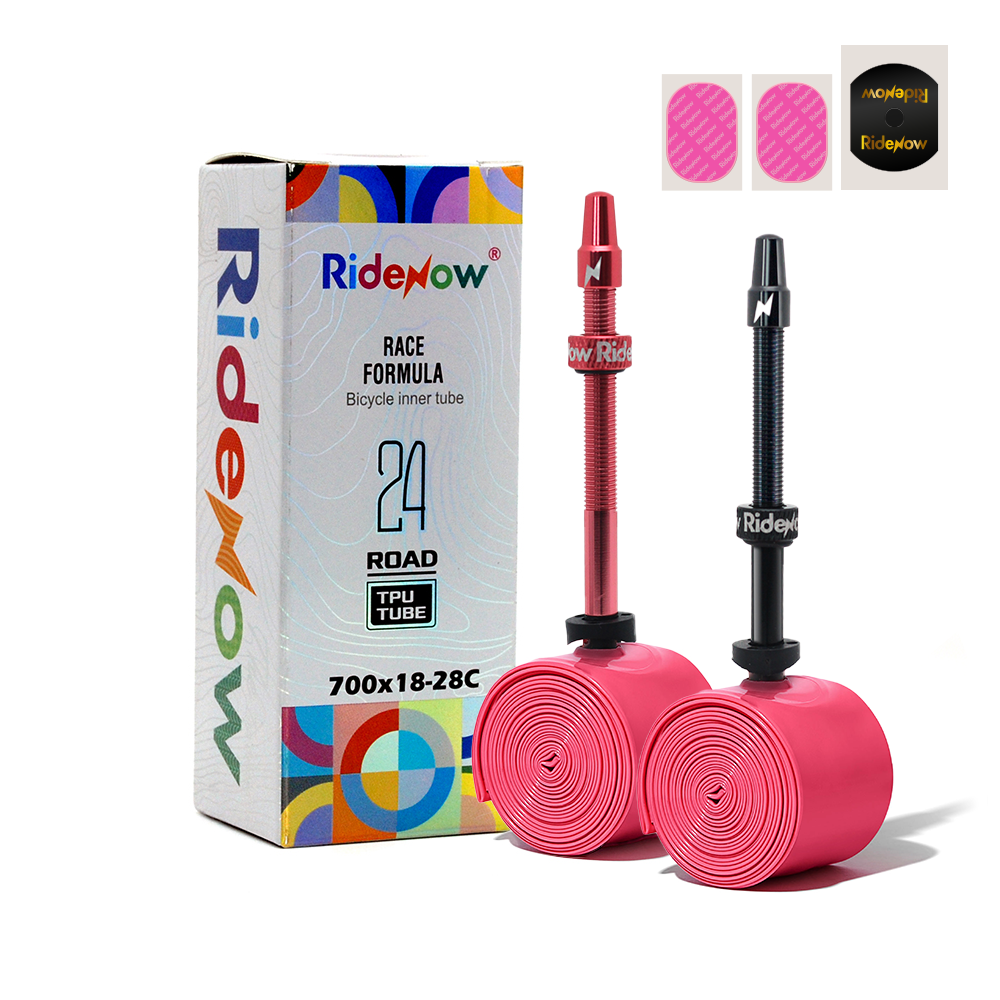
- Ultra-light puncture-resistant TPU
- Metal Presta: 45 / 65 / 85 mm
- Includes cold-vulcanizing patch set
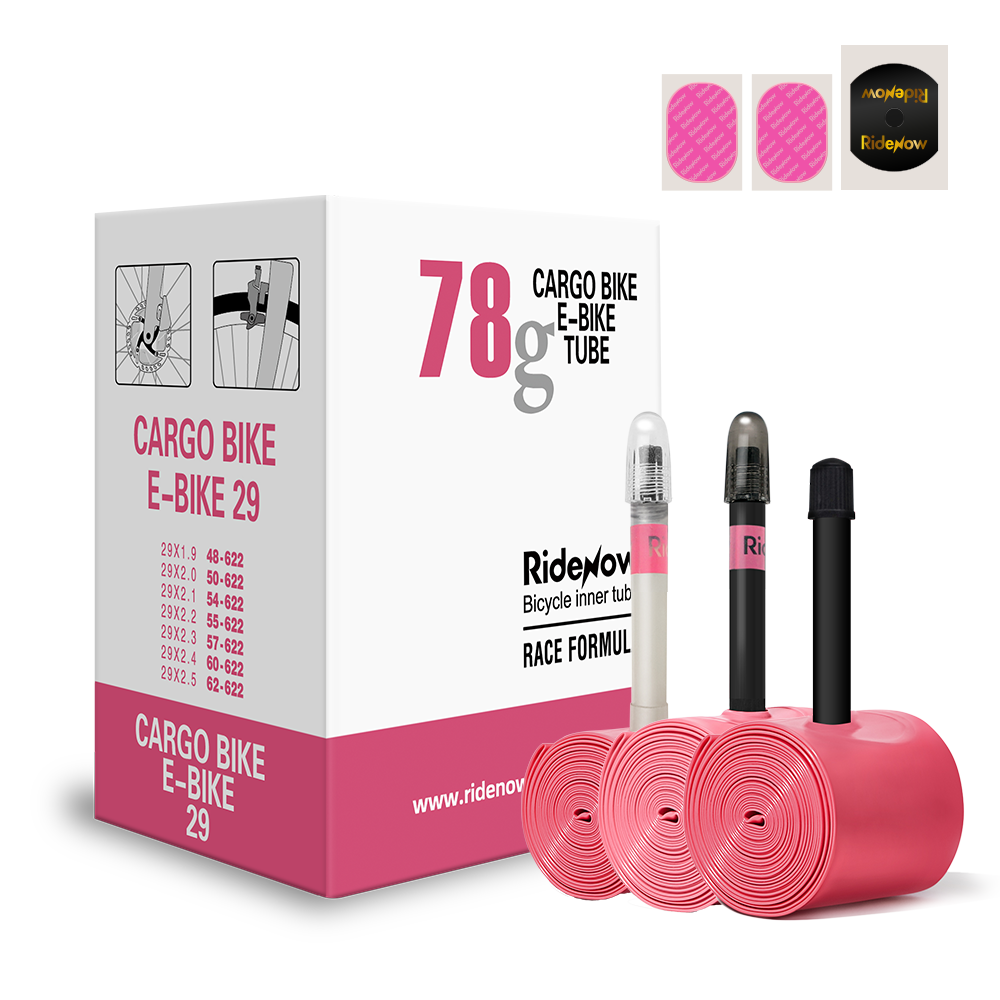
- Optimized for high-torque fleet payloads
- Dual Schrader / Presta configuration
- Reinforced seam thermal bonding
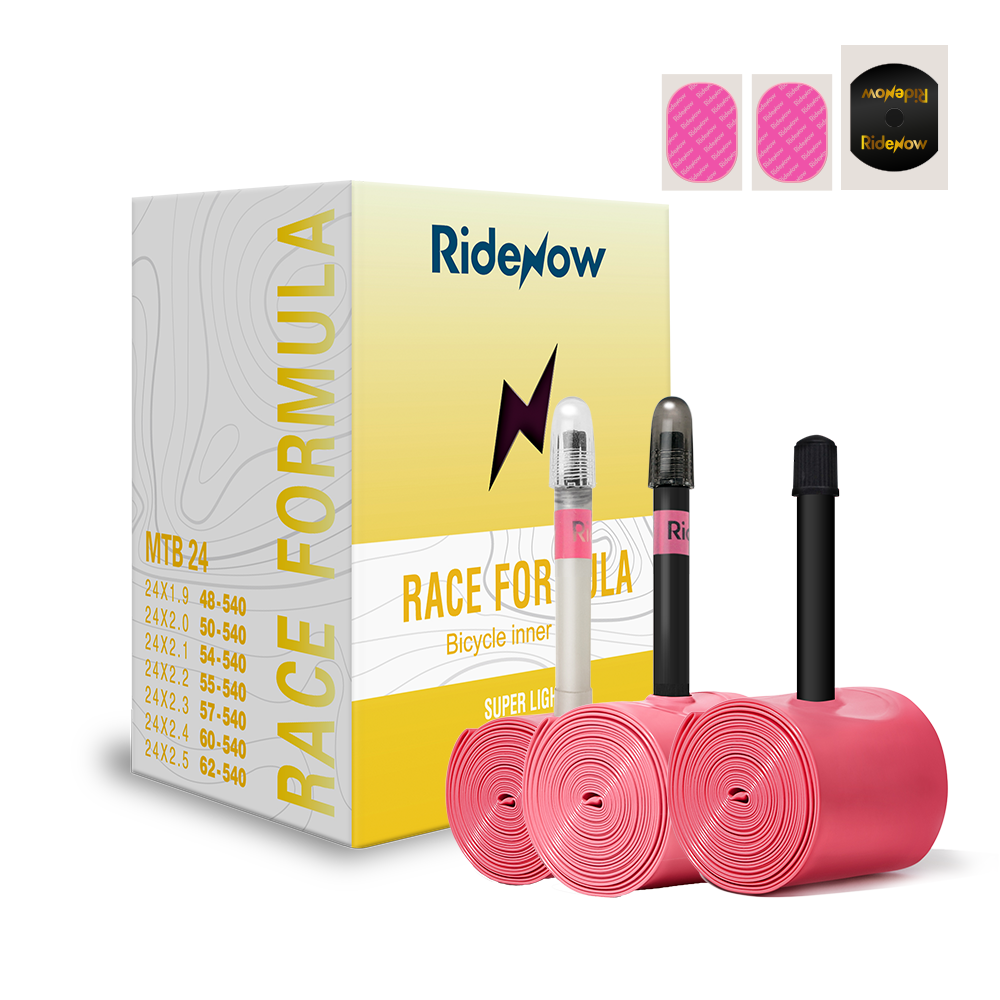
- Sub-60g ultralight rotational inertia
- High mechanical tear-propagation shield
- 45mm reinforced composite valve stem
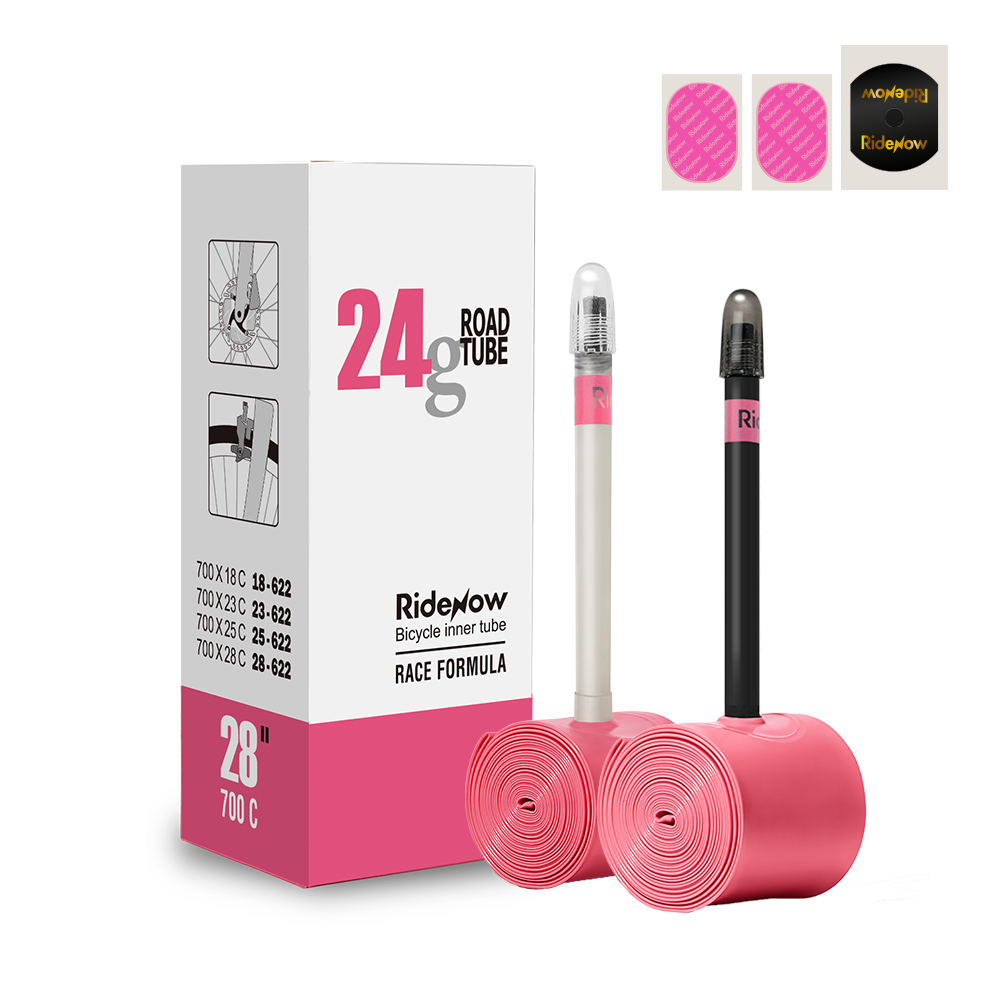
- Record 24g benchmark rotational weight
- Strict German disc-brake heat testing
- Precision micron-wall extrusion
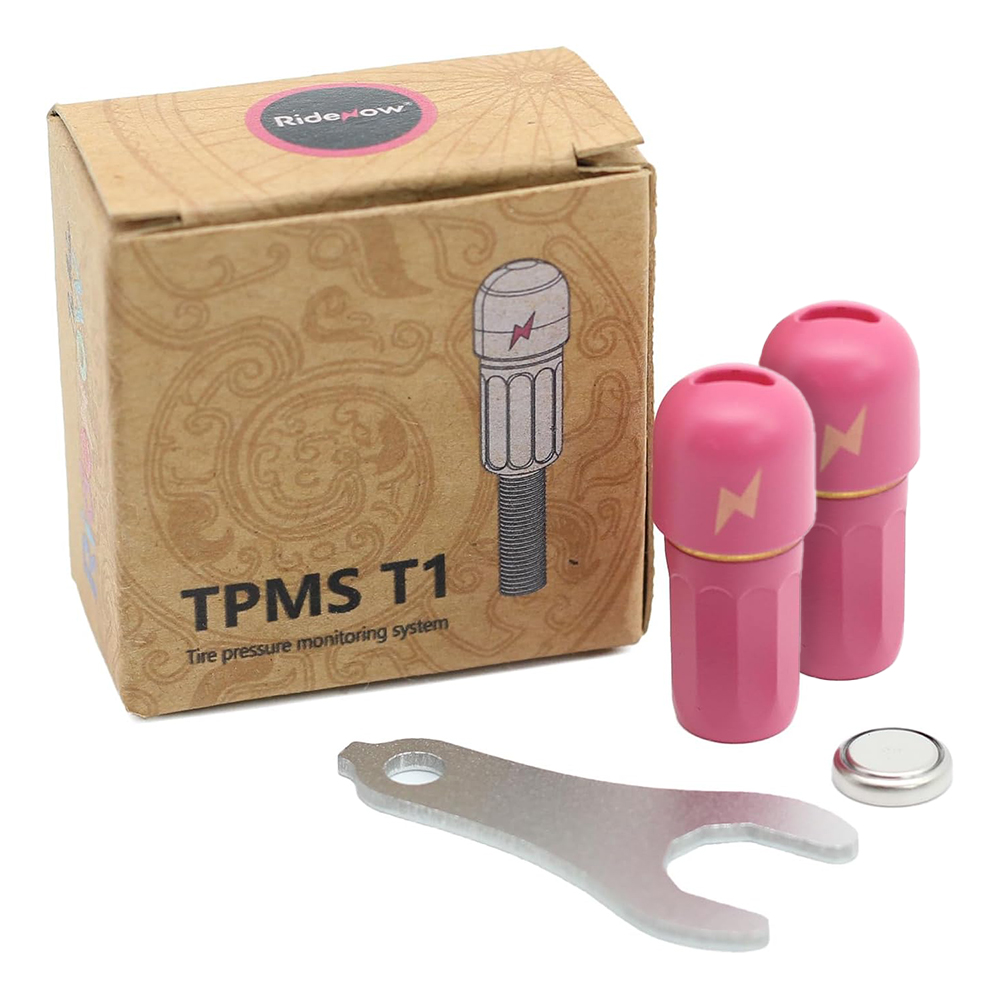
- Bluetooth 5.0 / ANT+ Garmin synchronization
- Millibar-accurate piezoresistive gauge
- Long-life coin cell, IP67 waterproof
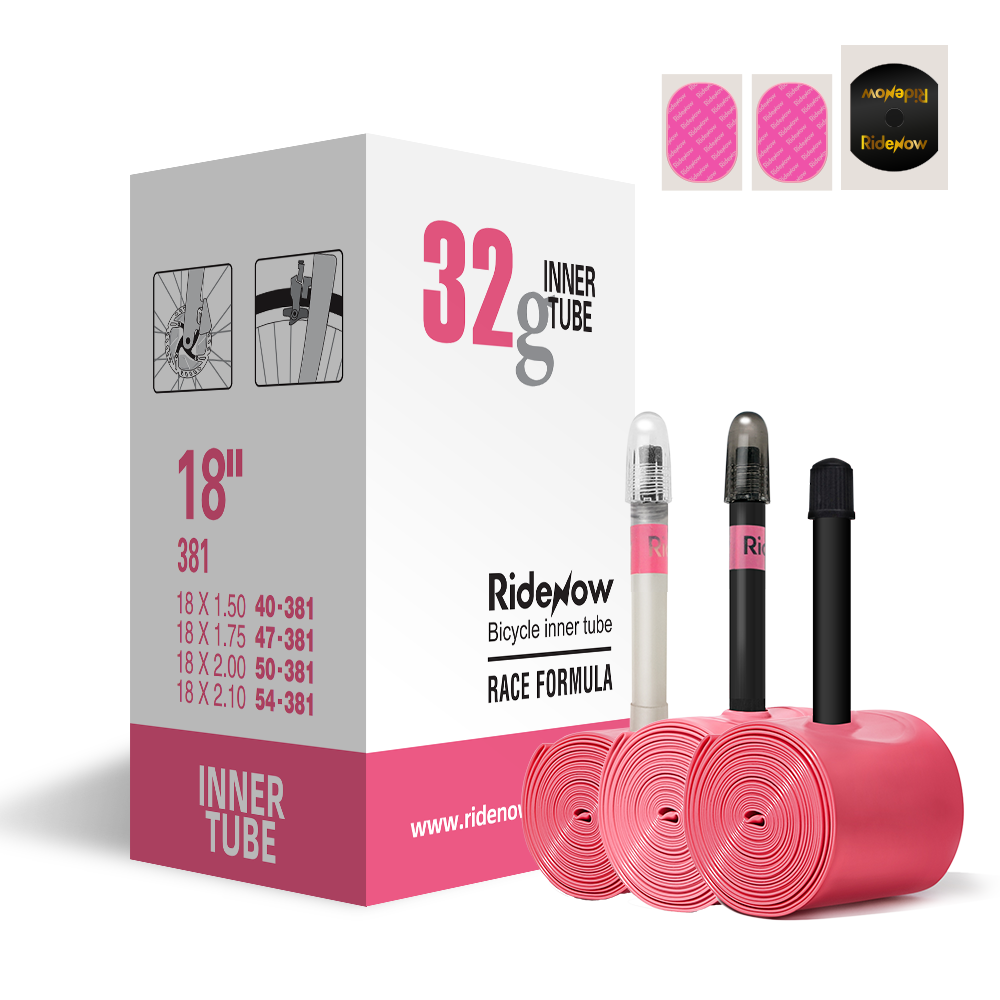
- Compact pocket footprint for transit
- Universal Presta & Schrader valves
- Abrasion-resistant German resin base
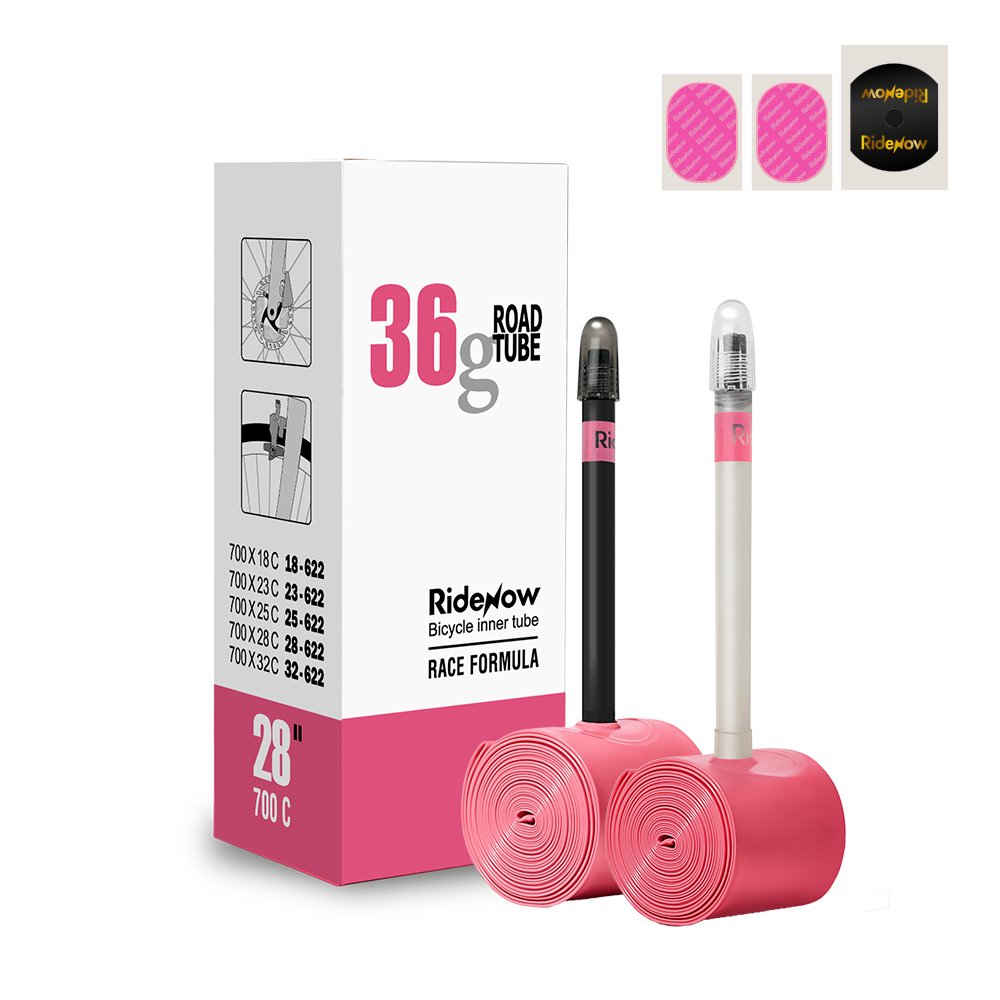
- Wide-casing gravel tire compatibility
- Reinforced alloy-to-TPU valve union
- Minimizes rolling drag by over 3.8W
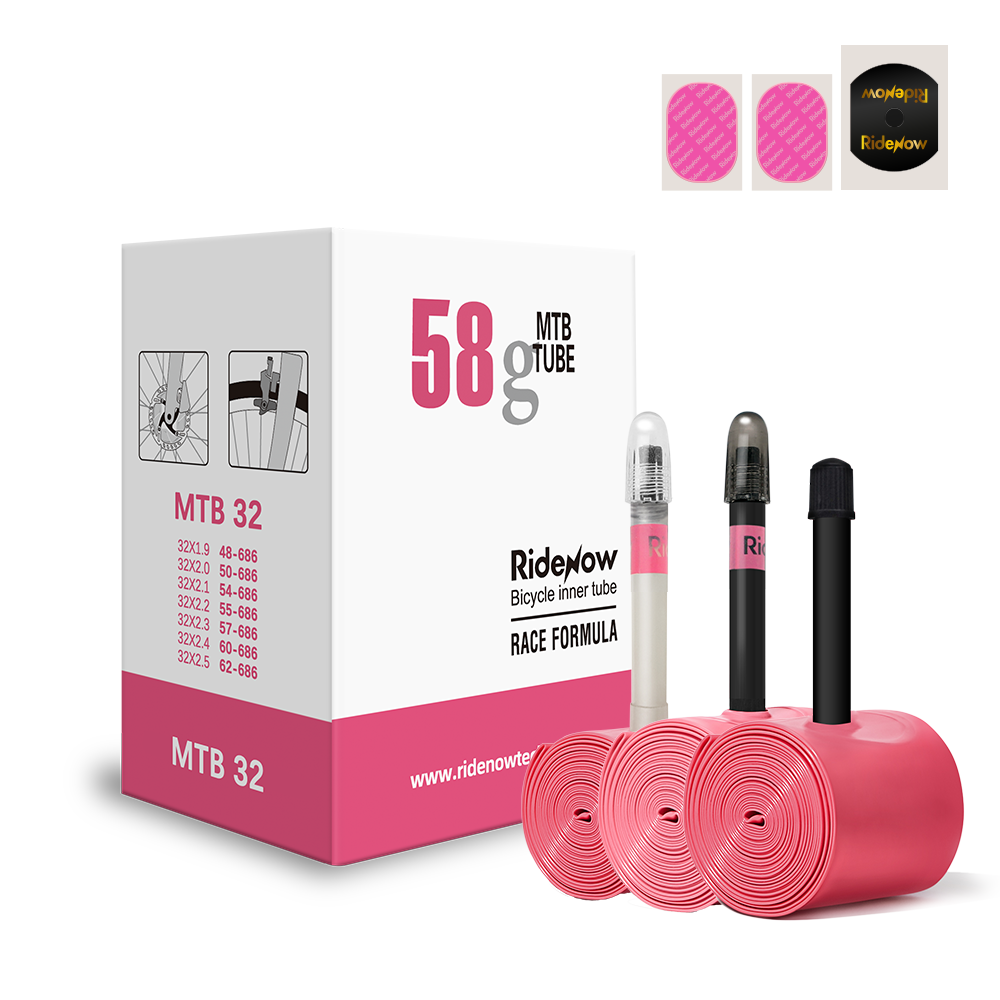
- Instant airtight bond without solvent dry time
- Comprehensive 45mm / 65mm valve spares
- Designed for rapid workshop turnover
Industrial Metrology Whitepaper: The Engineering Logic of Chain Wear Indicators
In modern precision bicycle transmissions—ranging from Shimano 12-speed Hyperglide+, SRAM Eagle Transmission (T-Type), to Campagnolo Ekar 13-speed and heavy-load Bosch/Brose mid-drive e-bike drivetrains—pin elongation and roller clearance tolerances have shrunk to micro-metric dimensions. A standard bicycle chain is assembled with an exact pitch of 0.5 inches (12.7 mm) from pin center to pin center. As the chain endures cyclical tensile stresses, grit contamination, and friction, metal on the link pins and bushings wears away, leading to cumulative link elongation, commonly termed "chain stretch".
For wholesale distributors, bicycle component importers, and fleet service managers in the Düsseldorf and North Rhine-Westphalia (NRW) regions, imprecise tooling translates directly into premature cassette wear, poor shifting indexation, costly warranty liabilities, and safety hazards. Standard two-point stamped calipers frequently introduce measuring bias because they include roller-play (the float of the internal roller between outer link plates) in the elongation measurement. As an enterprise with our primary European engineering and technical center based directly in Düsseldorf, Germany, combined with vertically integrated manufacturing in Qingdao and precision supply-chain management in Taiwan, we manufacture OEM/ODM chain checkers utilizing three-point metrology and laser-interferometer-calibrated drop-gauge geometry that fully isolates pin-to-pin pitch elongation from natural roller clearance.
| Drivetrain Architecture | Recommended Replacement Threshold | Chain Pin Metallurgy | Metrological Risk of Over-Wear |
|---|---|---|---|
| 11 / 12 / 13-Speed Road & MTB | 0.50% Elongation (0.0635 mm / link) | Chromized Hardened Steel / Hollow Pins | Irreversible titanium/aluminum cassette sprocket profiling; chain drop |
| 8 / 9 / 10-Speed Commuter | 0.75% Elongation (0.0952 mm / link) | Standard Carbon Steel / Nickel Plated | Shifting latency, cog teeth skipping under sprint wattage loads |
| High-Torque E-Cargo (Bosch Cargo Line) | 0.60% Elongation (Dedicated Metric) | Reinforced Pin Cross-Section, Heavy-Gauge Links | Chain snapping during uphill start, gearbox internal counter-shaft shock |
| Single-Speed / Track / IGH (Gates/Rohloff) | 1.00% Elongation (0.1270 mm / link) | Heat-Treated Solid Pin Bushes | Excessive slack causing chain throwing off cog, chainring tooth hooking |
Localized Application Scenarios in Düsseldorf & the Greater Rhine-Ruhr Conurbation
Düsseldorf stands as the epicenter of industrial trade, corporate logistics, and active micromobility throughout North Rhine-Westphalia (NRW). From commuter cycling arteries crossing the Rhine river bridges (Rheinkniebrücke, Oberkasseler Brücke) to the expansive commercial last-mile delivery corridors traversing Hafen, Bilk, and Derendorf, the mechanical requirements placed upon bicycle drive systems are uniquely rigorous. Our OEM and ODM chain wear inspection devices are custom-tailored for three major operational spheres across this territory:
Commercial Last-Mile E-Cargo Fleets
Düsseldorf's rapid adoption of urban micro-hubs and corporate commercial cargo fleets (e.g., DHL Express, Amazon Logistics hubs in Düsseldorf-Reisholz) requires rigorous preventive fleet maintenance. E-cargo bikes generating 85–100 Nm of mid-drive motor torque accelerate chain elongation by up to 300% compared to standard acoustic bicycles. Fleet technicians utilize our wear indicators for rapid 5-second pass/fail inspections during mandatory UVV safety audits.
Boutique Workshops & Dealer Networks
Independent bike dealers (Zweirad-Fachhändler) and multi-branch workshop chains across Bilk, Pempelfort, and Oberkassel demand high-tactile, ultra-reliable diagnostic tools. By utilizing private-label branded chain wear checkers manufactured through our OEM facility, workshops demonstrate objective, quantifiable diagnostic data to bike owners, establishing unshakeable credibility when recommending drivetrain overhauls.
Competitive Road & Gravel Racing Teams
NRW's rich cycling culture—spanning the Rhine embankment crits to the rolling climbs of the nearby Bergisches Land—demands drivetrain friction loss reduction down to single-watt margins. Competitive performance tuners deploy our CNC 7075-T6 hard-anodized gauges to identify the precise 0.50% threshold, ensuring high-end chains like SRAM Flattop are retired before damaging expensive 12-speed rainbow cassettes.
Localized Technology Trends & German Regulatory Evolution
The German bicycle industry operates under the world’s most stringent industrial compliance benchmarks, governed by DIN EN ISO 4210 (safety requirements for bicycles) and DIN EN 15194 (standards for electrically power-assisted cycles / EPACs). In the Düsseldorf market, procurement directors face three evolving trends that render legacy stamped chain gauges obsolete:
1. Shift to Roller-Slack Isolation (3-Point Metrology): Traditional 2-point hook gauges push against two rollers in opposite directions. This calculates roller free-play (which fluctuates significantly between chain brands such as KMC, Shimano, SRAM, and Wippermann Connex) as chain wear. European bicycle technicians increasingly reject 2-point gauges due to false-positive wear readings on brand-new modern chains. Our Düsseldorf R&D team designs tools featuring an isolated anchor pin that seats the roller in its normal operational orientation, ensuring only true pin-pitch elongation is measured.
2. Micro-Tolerances for Narrow-Clearance Chains (12-Speed & 13-Speed): Contemporary 12-speed chains feature inner link widths reduced to 2.18 mm, while high-performance gravel groupsets operate with clearance margins under 0.05 mm. Stamping presses with loose die clearances create micro-burrs along measuring edges. We utilize automated wire electrical discharge machining (Wire EDM) and laser profiling to maintain a razor-sharp, burr-free edge profile with measuring surface perpendicularity exceeding 99.8%.
3. Predictive Maintenance Integration for Leasing & Fleets: With the booming popularity of company bike leasing (JobRad, Lease a Bike, Deutsche Dienstrad) centered around corporate hubs in Düsseldorf, service contracts mandate verifiable maintenance records. We are actively engineering IoT-enabled and optical reading gauges that interface directly with fleet management platforms for digital compliance tracking.
Why Global Brands Partner with Qingdao JORV Technology
Founded in 2017 by passionate cycling engineers, Qingdao JORV Technology Co., Ltd. operates with a distinct architectural footprint that bridges high-precision German mechanical engineering with the agile, cost-disciplined manufacturing power of China and advanced supply chain management from Taiwan.
Düsseldorf R&D Hub
Our localized engineering department in Düsseldorf collaborates directly with European technical universities and OEM clients to rapidly develop and refine product prototypes.
30%+ R&D Reinvestment
Over thirty percent of annual net profits are funneled straight back into automated optical measurement machinery, laser interferometry, and custom metallurgy research.
Low Entry MOQ (from 20 Pcs)
We believe high-precision tooling should be accessible. Distributors can launch customized SKUs with flexible MOQs, testing local sales velocity without capital lock-in.
Unrivaled Cost Discipline
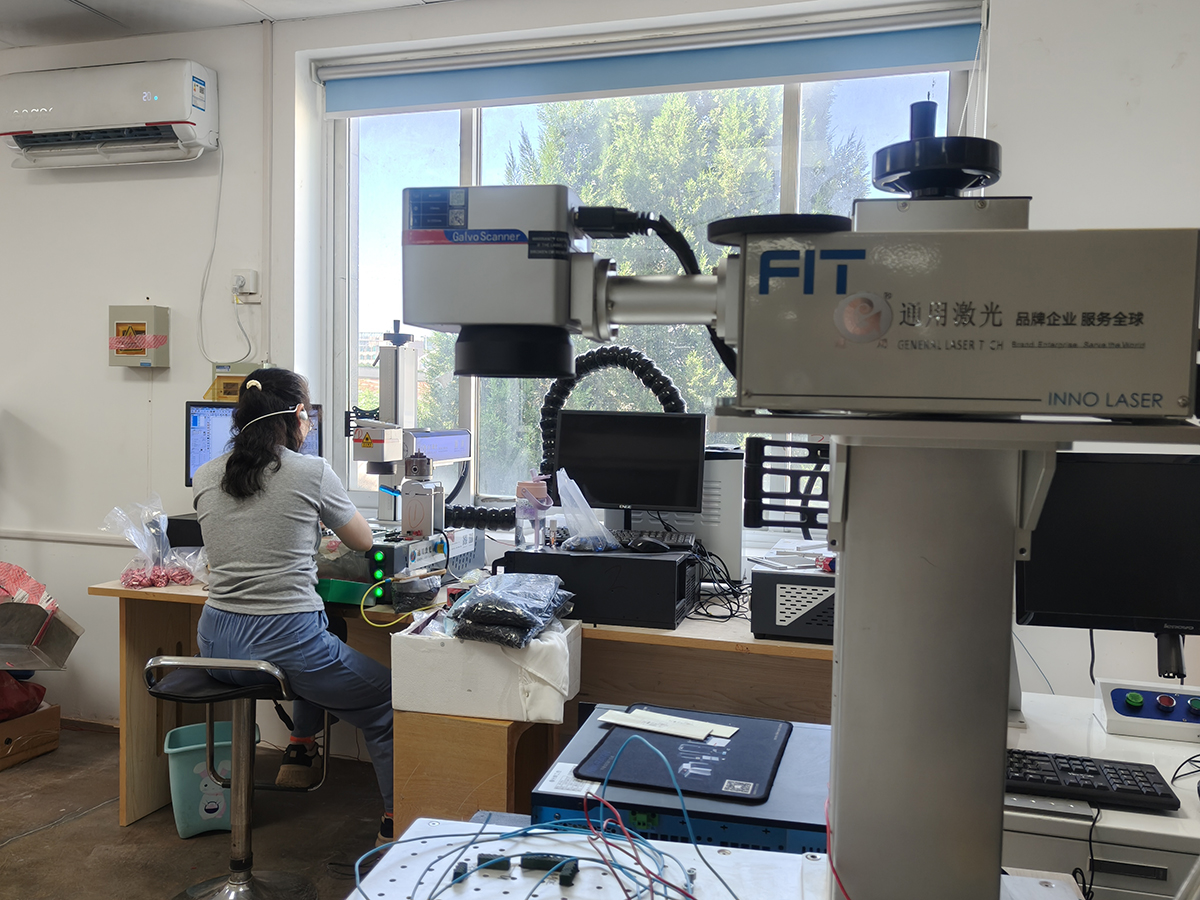
Full automation across stamping, laser engraving, and chemical passivation allows us to offer unmatched price-to-performance stability against volatile raw-material curves.
Düsseldorf & European Importers Procurement FAQ
Addressing the most critical commercial, regulatory, and engineering questions asked by procurement officers, brand managers, and import directors across Germany and the European Union.
Request Complete OEM/ODM Technical Catalog & Sample Kits
Connect directly with our engineering sales team in Düsseldorf & Qingdao. Comprehensive B2B price lists, volume tier matrices, and physical sample sets dispatched within 24 hours.