High-Demand Precision Components & Service Hardware
Tested for extreme Finnish winter riding conditions, mechanical resilience under freeze-thaw cycles, and workshop turnover efficiency across Greater Helsinki.
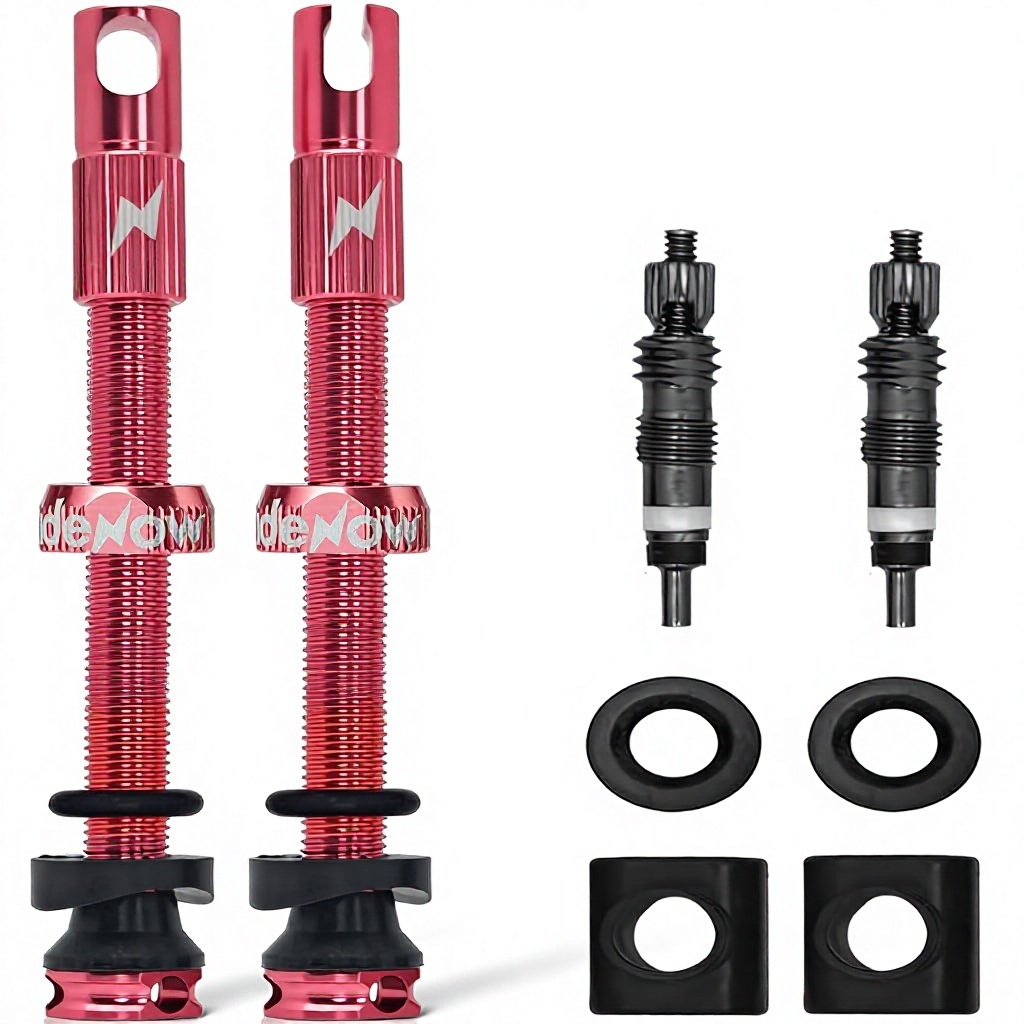
RideNow Tubeless Presta Valve Stems Ultralight Alloy Pair
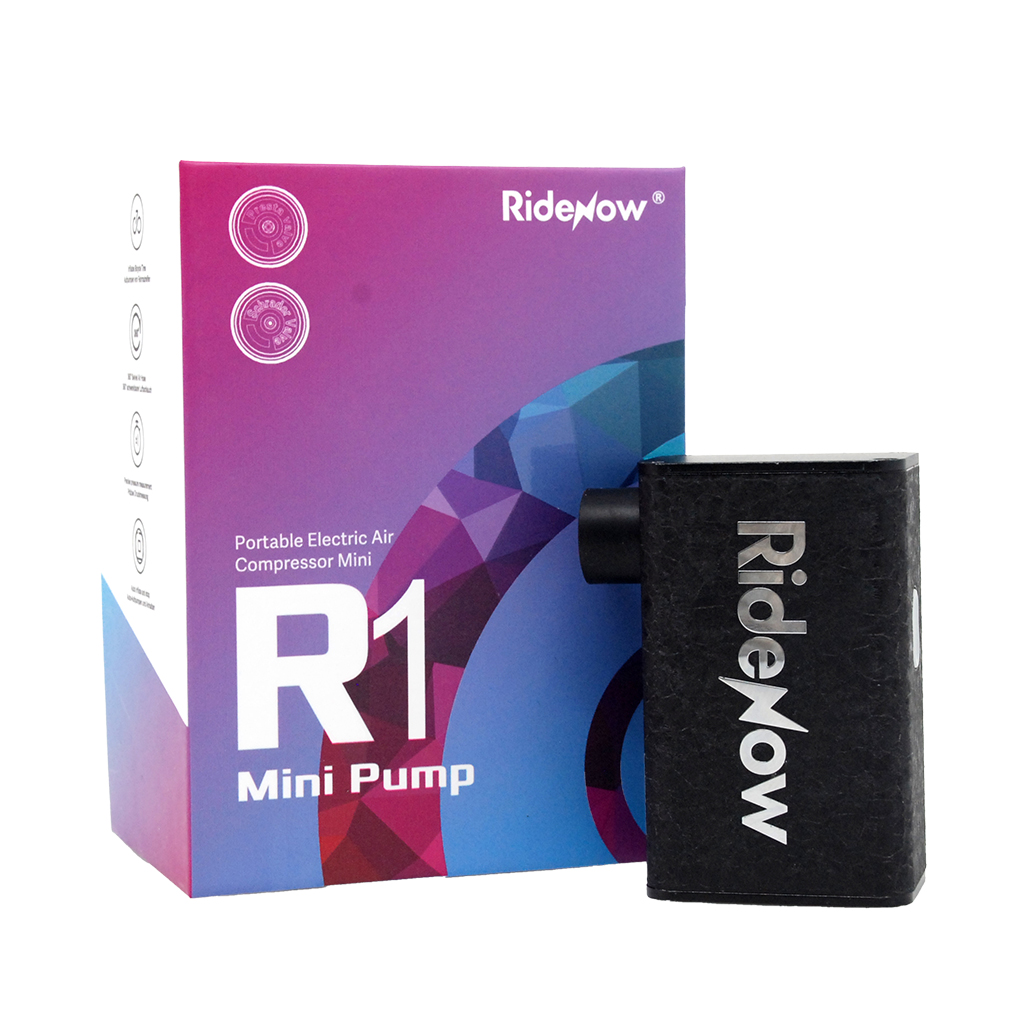
RideNow R1S Mini Aluminum Auto-Stop High Pressure Pump
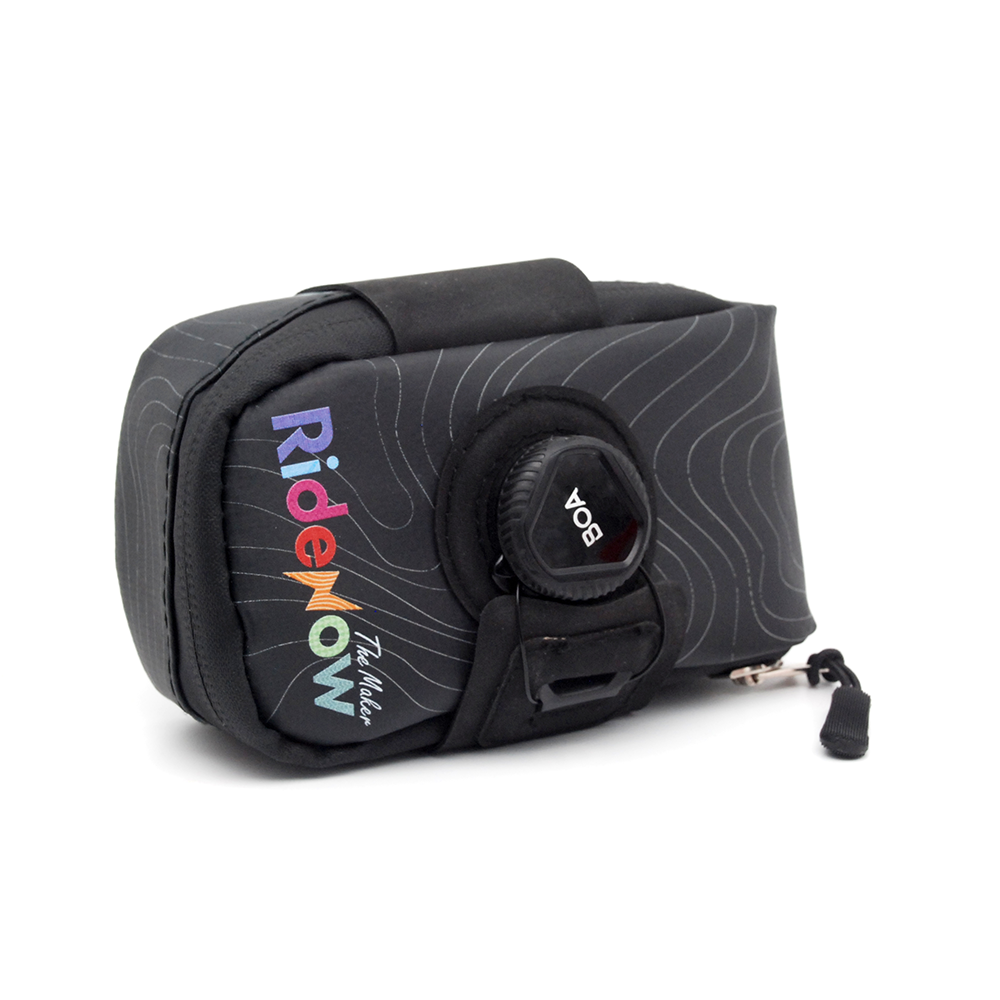
RideNow Waterproof Mini BOA Mount Performance Saddle Pack
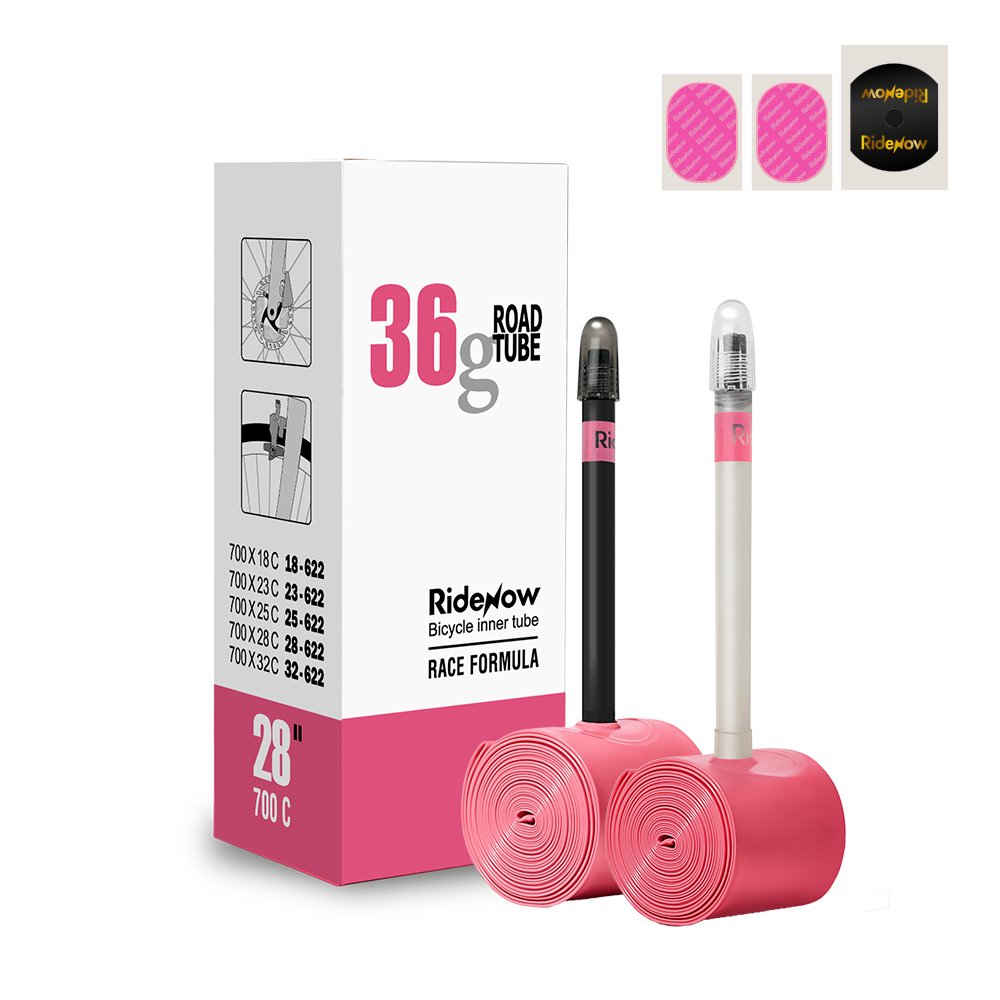
RideNow Ultralight Road Bike Inner Tube 700x18-32C TPU
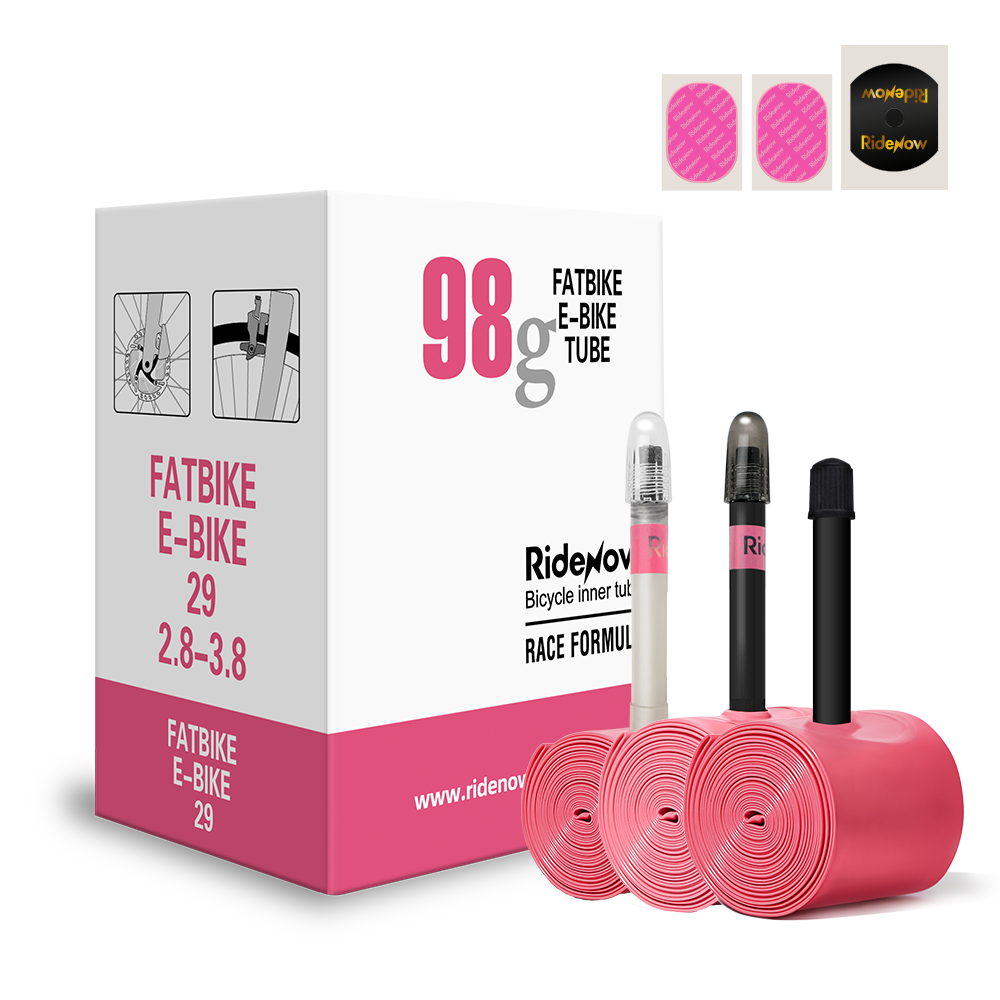
RideNow Nordic Winter Fat Bike Inner Tubes 29" (2.8-3.8)
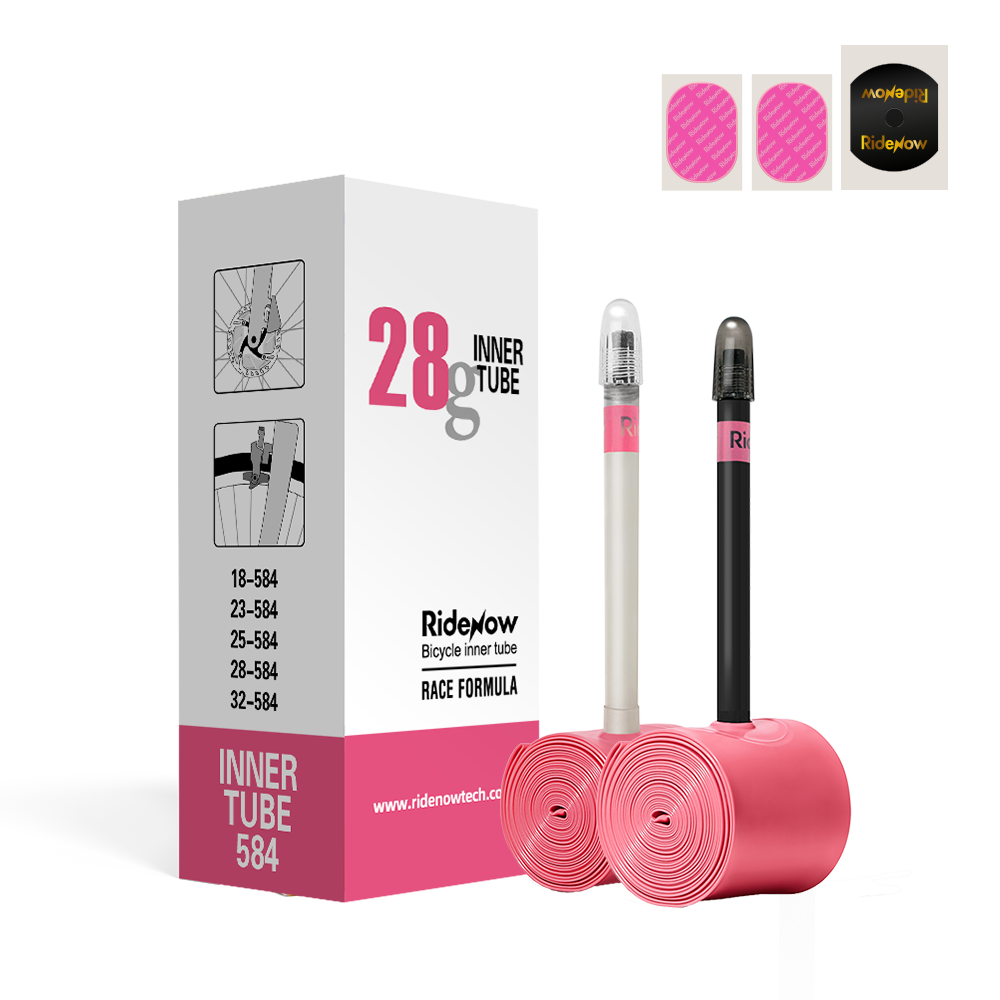
RideNow 584 (27.5") Gravel/Road TPU Inner Tubes 18-32C
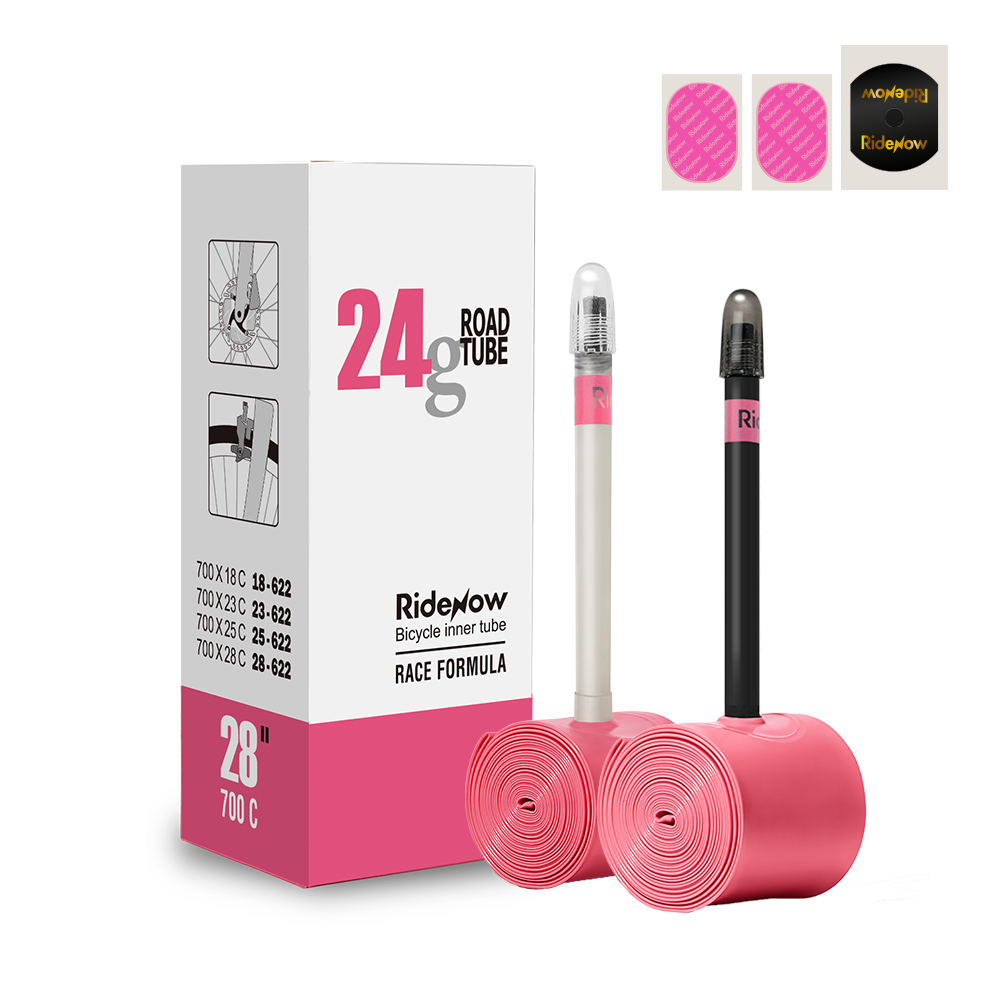
RideNow Race Series 700x18-28C Ultralight TPU Tube (24g)
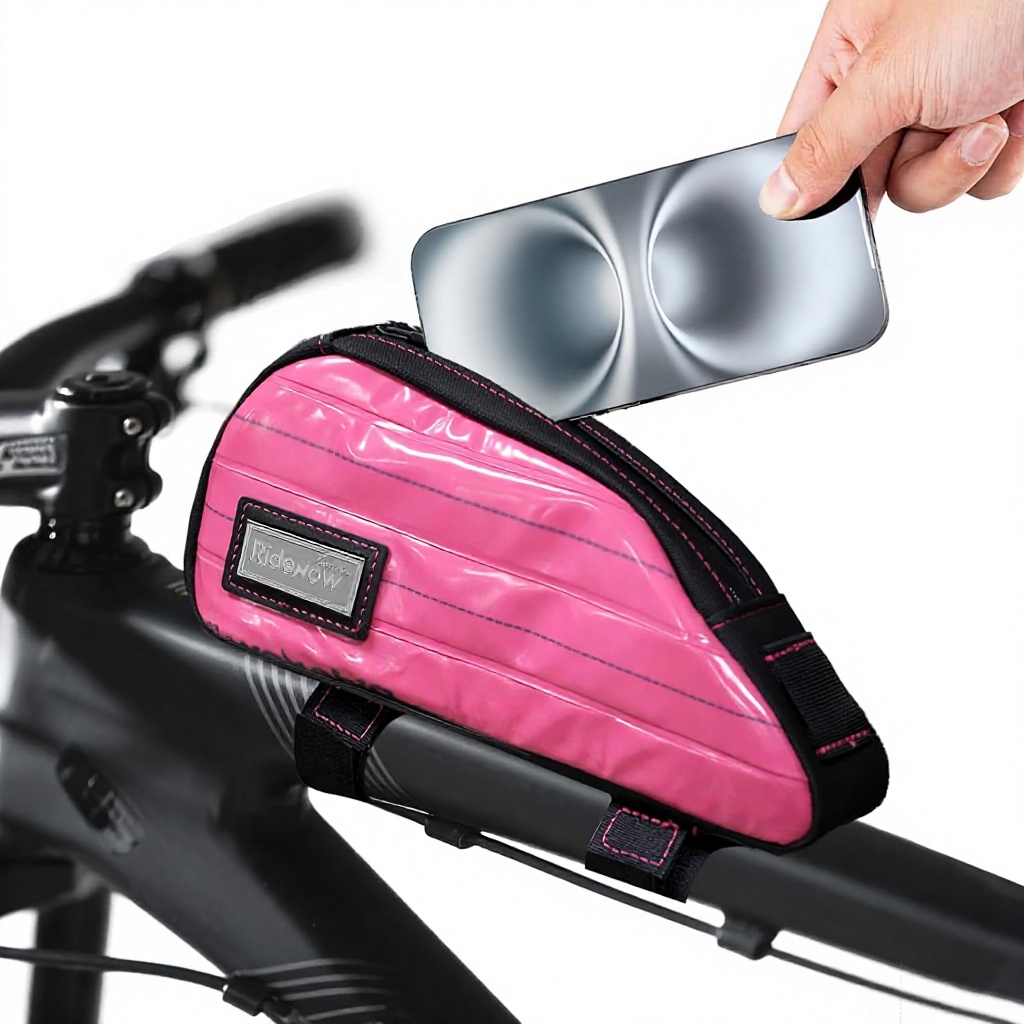
RideRow Waterproof Polyester Compact Handlebar Bag
Strategic Hydraulic Brake Maintenance & Bleed Tool Sourcing in Greater Helsinki
The cycling infrastructure of the Finnish capital region—anchored by the landmark Baana bicycle corridor, expanding regional express cycleways (pyöräbaanat), and year-round urban commuting schemes across Helsinki, Espoo, and Vantaa—presents one of the most demanding operational environments in Europe for bicycle hydraulic brake systems. Winter cycling modal shares continue to climb steadily across Southern Finland, driven by dedicated municipal maintenance and high-speed winter plowing. However, this rigorous utility cycling environment exposes hydraulic braking architectures to relentless road salt (NaCl and CaCl₂), rapid temperature swings across 0°C, abrasive slush, and sustained sub-zero temperatures dropping below -25°C.
For independent bike dealers (IBDs), high-volume service centers in districts like Kallio, Töölö, Lauttasaari, and Pasila, as well as institutional fleet operators managing last-mile cargo e-bikes and municipal bike-share programs, hydraulic brake servicing is both a core profit driver and an engineering liability. Conventional consumer-grade bleed kits sourced from ad-hoc third-party vendors routinely fail in Helsinki workshops. Common catastrophic failure modes include: seal embrittlement, stress cracking of medical-grade syringe barrels under sub-zero handling, micro-air ingress around cheap threaded brass fittings, and hydraulic fluid cross-contamination between DOT-based and Mineral Oil-based systems.
Procurement Directive for Nordic Bicycle Fleet Operators
A professional bicycle brake bleed kit is not merely a collection of syringes and hoses; it is a calibrated hydrostatic pressure apparatus. Hydraulic disc brake servicing in high-latitude environments requires exact tolerances to eliminate vapor lock, micro-foaming, and moisture absorption inside closed caliper systems. Direct OEM factory supply chains ensure seal material traceability, ISO-certified thread pitch accuracy, and chemical resistance engineered specifically for Nordic operating parameters.
Zero Vapor-Lock Bleeding
Factory-calibrated syringe plungers with dual-radial sealing rings maintain vacuum retention down to -0.85 bar, preventing cavitation and volatile bubble creation during caliper depressurization.
Sub-Zero Elastomer Engineering
Syringe seals and delivery hoses utilize high-fluorine Viton (FKM) and peroxide-cured EPDM, preserving modulus elasticity and preventing fluid leakage at temperatures as low as -35°C.
CNC Brass & 7075 Anodized Adaptors
Micro-machined thread profiles (M4, M5, M6, M7, and Bleeding Edge Quick-Connect) eliminate stripped caliper ports and galling against fragile magnesium lever reservoirs.
Localized Application Scenarios: Why Helsinki Demands Heavy-Duty Bleed Hardware
The Uusimaa coastline combines maritime relative humidity (often exceeding 85% in winter) with sub-zero road salting regimens. In the Finnish market, bicycle brake bleeding is not simply an annual spring tune-up operation; it is an essential seasonal corrective maintenance process performed during peak autumn-to-winter and winter-to-spring transitions.
1. Winter Fleet & Cargo Bike Servicing (E-Last Mile Logistics)
Companies utilizing heavy electric assist cargo trikes (Larry vs Harry Bullitt, Tern GSD, Riese & Müller, and custom Finnish mail delivery trikes) put extreme thermal load on hydraulic brakes. Disc rotors reach peak temperatures during braking on steep descents down to the Baltic shore, followed by instant quenching in icy slush. This thermal shock causes moisture suction past caliper quad-rings. Helsinki mechanics require bleed kits equipped with positive lock shut-off valves and high-volume 60ml reservoirs to flush emulsified, moisture-saturated hydraulic fluid without cross-aeration.
2. Gravel, Cyclocross, and Commuter Maintenance on the "Baanat"
Helsinki commuters traveling from Espoo or Vantaa along coastal rail tracks endure high-frequency grit accumulation. Caliper bleed ports become encrusted with stone dust and calcium chloride residue. Standard plastic adaptors strip or break off flush inside the port when torque is applied. Professional workshops require CNC machined hardened nickel-plated brass or 7075-T6 aluminum connectors with calibrated knurling that allow technicians to seat threads securely by hand, even while wearing workshop protective gloves.
3. Preventing Viscosity-Induced Brake Sluggishness
Standard mineral oils can experience a drastic jump in kinematic viscosity at -15°C (often shifting from ~10 cSt to over ~80 cSt), causing sluggish lever return and delayed pad retraction. When workshops swap fluids to low-viscosity sub-zero formulations or bleed SRAM DOT 5.1 hydro systems, bleed kit fittings must guarantee an airtight seal. Even 0.05 ml of atmospheric air drawn in during backpressure cycling creates a spongy lever blade, compromising rider safety on icy Helsinki tarmac.
| Performance Characteristic | JORV OEM Factory Bleed Kit (Nordic Spec) | Generic Commercial Sourced Kit | Consumer DIY Syringe Kits |
|---|---|---|---|
| Plunger Elastomer Base | ✓ Dual Fluoropolymer / EPDM (Cold-Cured) | Standard Nitrile Rubber (NBR) | Generic Recycled PVC Gasket |
| Syringe Barrel Material | ✓ Ultra-Clear Medical Polycarbonate (Shatterproof) | Standard Polypropylene (PP) | Low-Density Polyethylene (LDPE) |
| Sub-Zero Flexibility Rating | ✓ Retains Full Elasticity to -35°C | ⚠ Cracks/Stiffens below -5°C | ⚠ Embrittles at 0°C |
| Fitting Construction | ✓ 100% CNC Precision Brass & Anodized 7075 Alu | Die-cast Zinc Alloy / Soft Brass | Molded Nylon / ABS Plastic |
| Fluid Compatibility | ✓ Dedicated Dual Kits (Mineral & DOT 4/5.1) | Unverified Universal (Seal Swelling Risk) | Single Material (Rapid Chemical Breakdown) |
| Bleed Block Geometry | ✓ High-Density POM, CNC Calibrated for Pad Spread | Generic Extruded Plastic | Thin Rubber Shim / Uncalibrated |
Nordic Industry Trends: What Helsinki Importers & Workshops Need to Stock
Procurement teams at Finnish bicycle import companies, retail chains, and workshop cooperatives are shifting away from fragmented component sourcing. Analyzing supply chain movements across Scandinavia reveals three pronounced trends:
1. E-Bike Hydraulic Standardization
With 4-piston calipers (Shimano MT520, Tektro HD-E730, Magura MT5e, SRAM Code) dominating Finnish e-commuter and e-MTB sales, workshops require large-volume syringes and high-pressure hose clips that withstand multi-stage caliper purges.
2. Integrated Cockpit Routing
Internal brake hose routing running through headtubes and handlebars makes full hose disconnection during simple maintenance costly. Modern bleed kits must include quick-bleed funnels with flow-stops to service levers without dismantling headsets.
3. Fleet Modular Storage
Workshops are standardizing around organized, laser-cut EVA foam tool-cases with marked metric thread adapters. This eliminates misplaced adapters and prevents cross-contamination between DOT and Mineral Oil tooling stations.
4. Sustainable Private Labeling
Nordic distributors are commissioning custom-branded bleed kits featuring their own logos, local Finnish/Swedish instruction manuals, and recyclable retail packaging conforming to EU Circular Economy directives.
Engineered by Cyclists, Built for Global Workshop Demands
Founded by passionate cycling engineers in 2017, Qingdao JORV Technology Co., Ltd. was born out of a single conviction: bicycle maintenance hardware and accessories must evolve beyond fragile consumer gadgets into rugged, workshop-grade precision equipment. Today, our manufacturing and R&D ecosystems bridge Asian precision production with European engineering rigour.
More than 30% of our annual profit is systematically reinvested into R&D, tooling calibration, and the automation of production lines. From wheel balancing machinery and indoor rocker plates to high-tolerance TPU tubes and hydraulic bleed hardware, JORV controls every production step to guarantee batch-to-batch repeatability and long-term price stability for our international distribution partners.
2,000m²+ advanced manufacturing hub housing automated CNC turning, injection moulding, and clean-room assembly lines.
Dedicated engineering center conducting cold-temperature stress analysis, chemical fluid tolerance testing, and ergonomic modeling.
Strategic material sourcing office overseeing aerospace-grade alloys, premium fluoropolymers, and surface finishing partnerships.
Secondary engineering facility focusing on high-stress testing of composite plastics and industrial sealing structures.
Standard Operating Procedure: Nordic Sub-Zero Hydraulic Calibration
To eliminate phantom brake fade and maintain consistent bite-points in freezing climates, JORV engineers recommend following this standardized five-stage workshop protocol when servicing hydraulic systems in Helsinki:
Stage 1: Thermal Stabilization
Never bleed a bike brought directly in from sub-zero outdoor storage. Allow frames, fluid lines, and calipers to equilibrate to workshop ambient temperature (18°–21°C) for at least 45 minutes to prevent condensation inside the master cylinder.
Stage 2: Caliper De-Sludge
Clean external caliper pistons using isopropyl alcohol (IPA) and soft nylon brushes before pushing them back. Road grime and salt crystals forced past quad-ring seals will score piston walls and contaminate freshly injected fluid.
Stage 3: Calibrated Spacer Seating
Insert a CNC-machined JORV bleed block precisely matched to the caliper model (2-piston or 4-piston). Using worn pads or improvised wood wedges creates uneven pad spacing and causes overfilled, dragging brake systems.
Stage 4: Controlled Vacuum Degassing
Prior to caliper injection, seal the primary syringe and gently pull back the plunger to create a -0.5 bar vacuum. Hold for 15 seconds to draw out microscopic dissolved air bubbles suspended within the fresh mineral or DOT fluid.
Stage 5: Bi-Directional Dual-Purge
Push fluid from caliper to lever reservoir until no air emerges into the top cup, then cycle the lever rapidly 3–5 times. Apply gentle back-vacuum at the master cylinder before final sealing to ensure zero air lock at the diaphragm.
Stage 6: Pressure Hold Validation
Fasten bleed ports with factory-specified torque (typically 2–4 Nm) using fresh O-rings. Clamp lever to handlebar overnight with a retention strap. Any soft lever travel by morning indicates internal seal bypass requiring caliper rebuild.
Frequently Asked Questions by Finnish B2B Buyers & Service Directors
Why is separating Mineral Oil and DOT fluid bleed kits critical for Finnish workshop insurance?
Mineral Oil and DOT fluid utilize fundamentally incompatible elastomer chemistry. Mineral oil hydraulic systems (Shimano, Magura, Campagnolo, Tektro) employ ethylene propylene or nitrile rubber seals that immediately swell, dissolve, and fail when exposed to DOT fluids (SRAM, Avid, Hope). Conversely, DOT seals degrade in contact with petro-chemical mineral oils. In commercial workshops across Helsinki, cross-contamination is a primary cause of total brake loss. JORV manufactures distinct, color-coded, laser-etched hardware kits specifically to eliminate cross-contamination risks and fulfill commercial liability standards.
What minimum order quantities (MOQs) apply for direct shipping to Helsinki?
We understand that Nordic distributors and regional workshop chains require agility when testing new hardware. Our baseline MOQ for standard bleed tool sets and accessories starts at just 10 to 20 sets. For comprehensive OEM private labeling (including custom laser engraving, pantone-matched silicone sleeves, customized EVA storage cases, and bilingual Finnish/Swedish packaging), typical production runs start at 200–500 units, providing accessible factory pricing without large capital commitments.
How are import customs, Finnish VAT (ALV 25.5%), and DDP shipping handled?
JORV regularly ships to European ports and provides multiple Incoterms: EXW, FOB Qingdao, CIF Helsinki Port (Vuosaari Harbour), and full DDP (Delivered Duty Paid) door-to-door air freight directly to your warehouse in Helsinki, Espoo, or Vantaa. Under DDP terms, our logistics partners clear EU customs, handle customs entry formalities, and deliver directly with full commercial invoicing, simplifying clearance for Finnish finance departments.
How do JORV bleed kit hoses resist road salt and calcium chloride corrosion?
Our hose assemblies are extruded from specialized polyurethane and medical-grade fluoropolymer tubing that resists chemical leaching and hardening. Hose-end collar clamps and quick-release couplers are machined from solid brass or 7075-T6 aluminum and treated with an electrolytic hard-anodized or nickel-passivated finish. In accelerated salt-spray testing (ASTM B117), our components exhibit zero pitting or thread seizure after 480 hours of continuous exposure.
Can we order replacement syringe plungers, seals, and adaptors separately?
Yes. A primary operational headache for professional bike shops is buying a completely new bleed kit simply because one M6 adapter went missing or an O-ring wore out. JORV supports professional service networks with bulk accessory packs: replacement syringe pairs, individual adapter assortments, precision hose clamps, and bulk sub-zero Viton O-ring packs (100 pcs/box) ready for workshop restocking.
Connect Directly with JORV Engineering for Your Helsinki Supply Line
Whether you manage a municipal bicycle maintenance program, operate an established distributor in Southern Finland, or require an OEM quote for custom workshop toolsets, our technical team responds within 13 hours.