Featured Commercial SKUs & Technical Products
From BMX street setups to professional workshop infrastructure, our components combine German-backed industrial design with certified factory production lines.
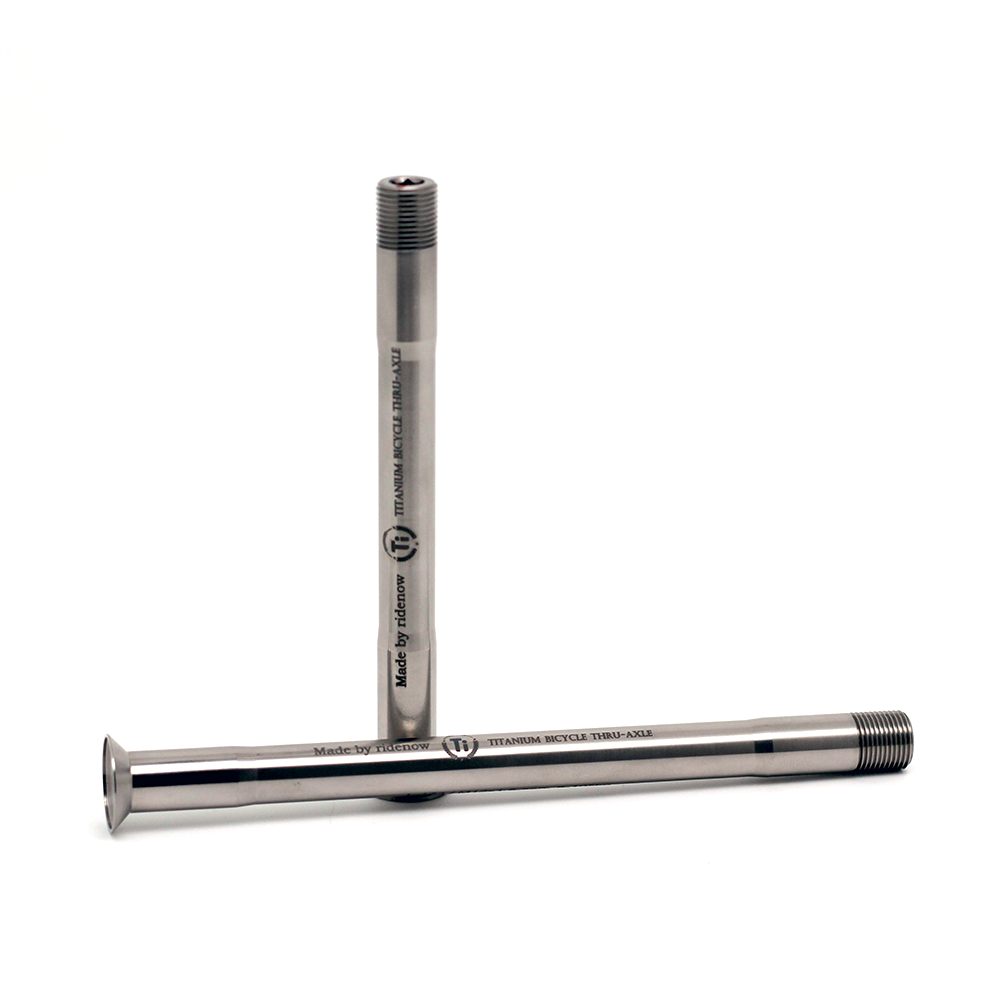
RideNow Titanium Thru-Axle Aerospace-Grade Alloy
- Aerospace-Grade Titanium Alloy
- 2x Tensile Strength of Steel, 50% Lighter
- Salt-Mist Corrosion-Resistant Exterior
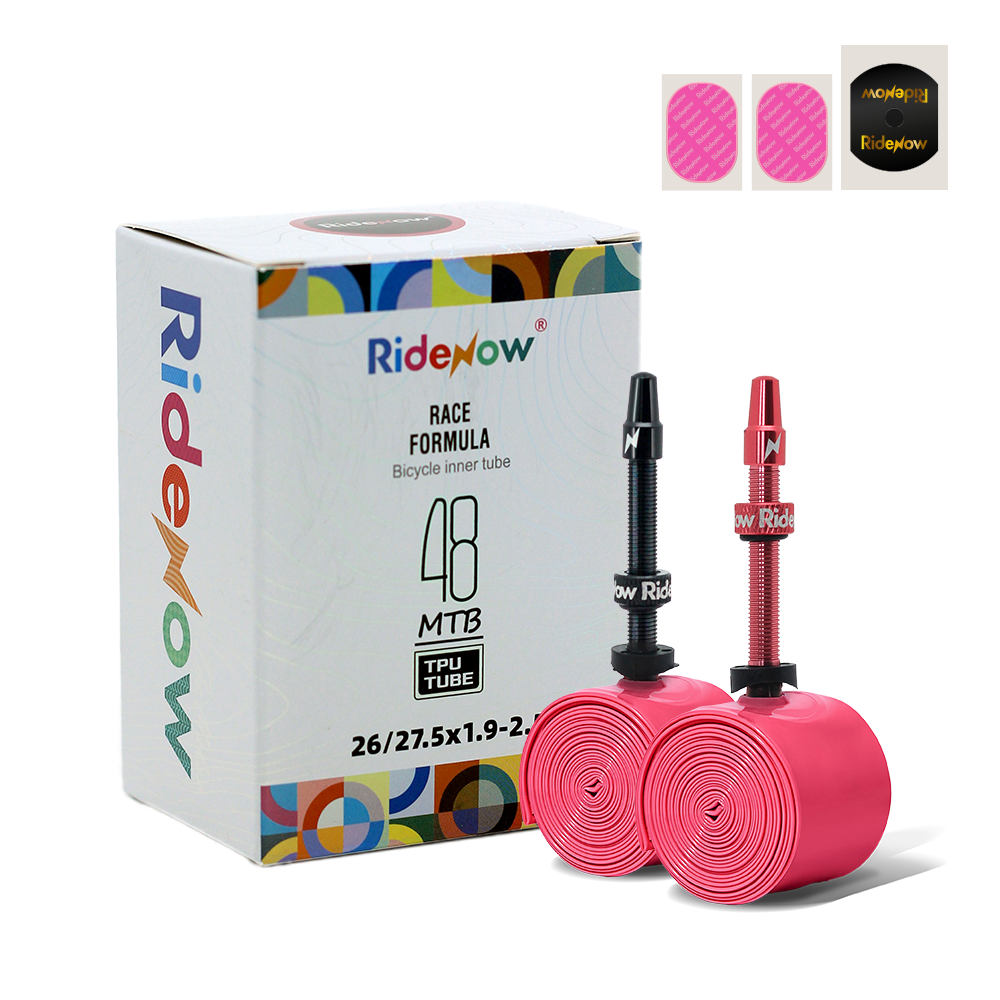
RideNow MTB Bike Inner Tubes Metal-45MM TPU Presta 26/27.5"
- Ultra-light Puncture-Resistant 1.9-2.5
- Reinforced Metal Presta Stem (45mm)
- Extreme Pinch-Flat Dissipation
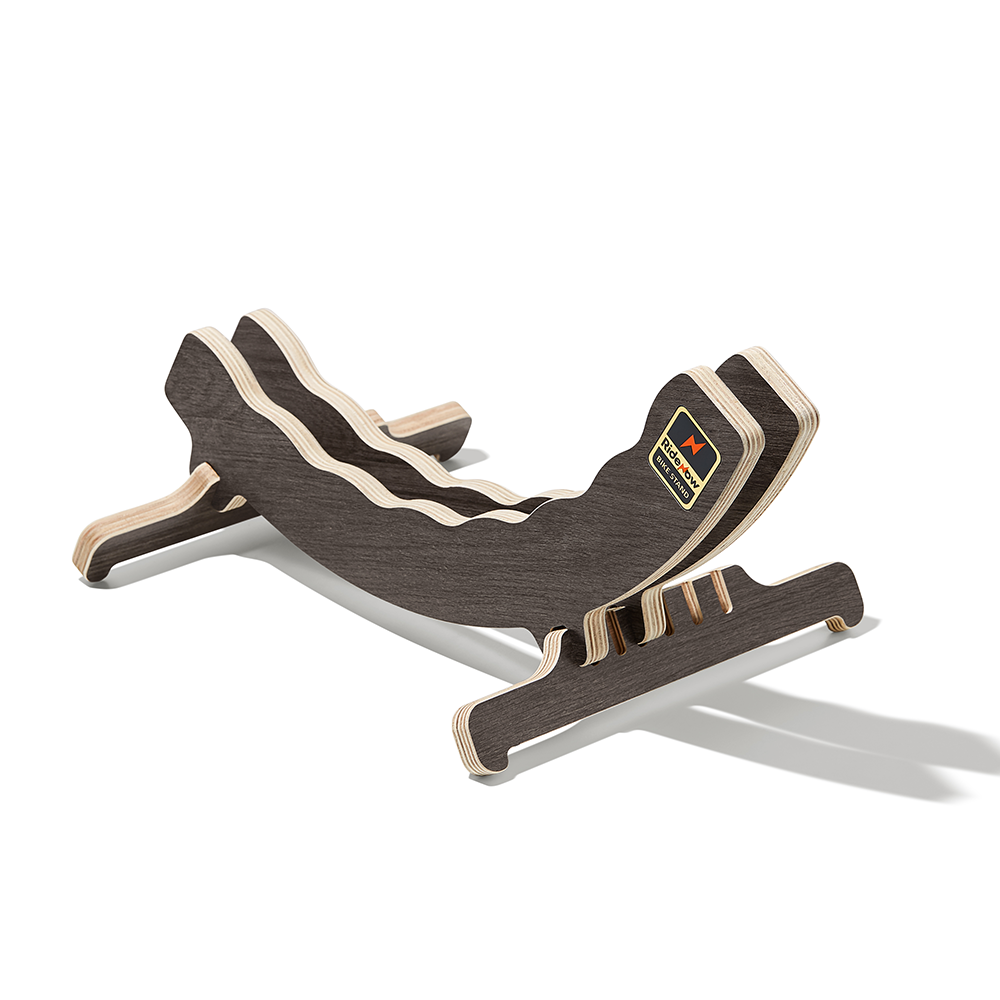
RideNow Wooden Bike Stand, E0 Grade Plywood
- Sustainably Sourced E0 Ecological Ply
- Modular Fit for Multi-Wheel Diameters
- Retail Showroom Stability Platform
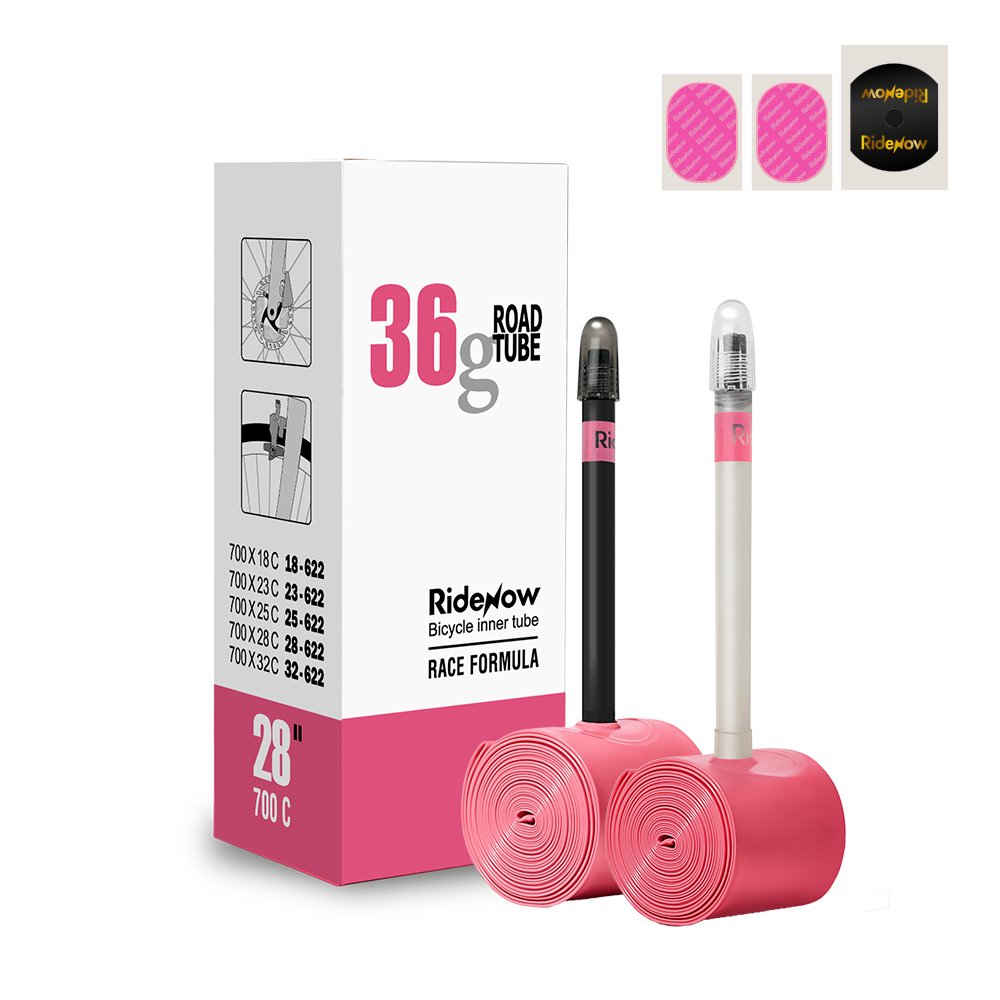
RideNow Road Bike Inner Tubes 700x18-32C TPU 36g
- 36g Ultralight High-Tensile Matrix
- Engineered for Disc-Brake Heat Dispersion
- Air-Retention Elastomer Structure
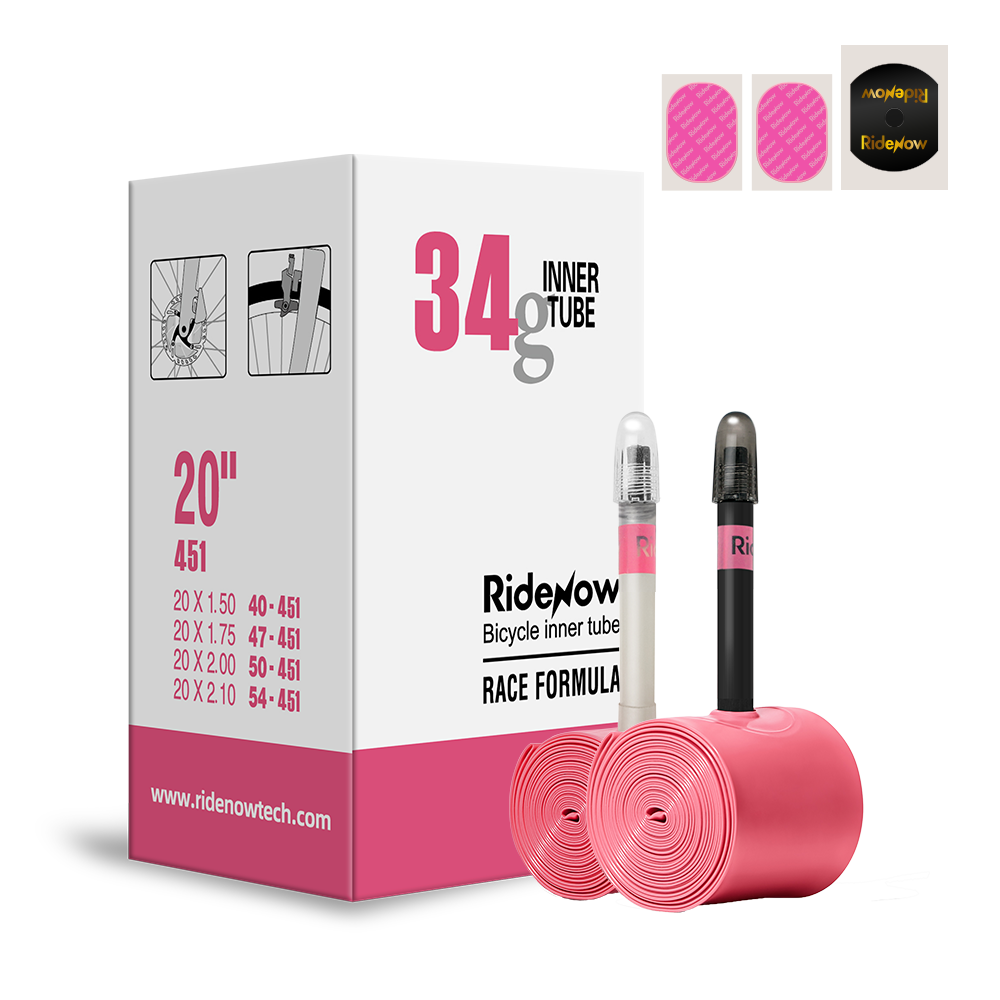
RideNow BMX & Folding Bike TPU Inner Tube 20" 451/406
- Presta 1.3-2.0 Multi-Tire Fitting
- Shock-Absorbing Elastic Recovery
- Bundled Dedicated Fast-Patch Kit
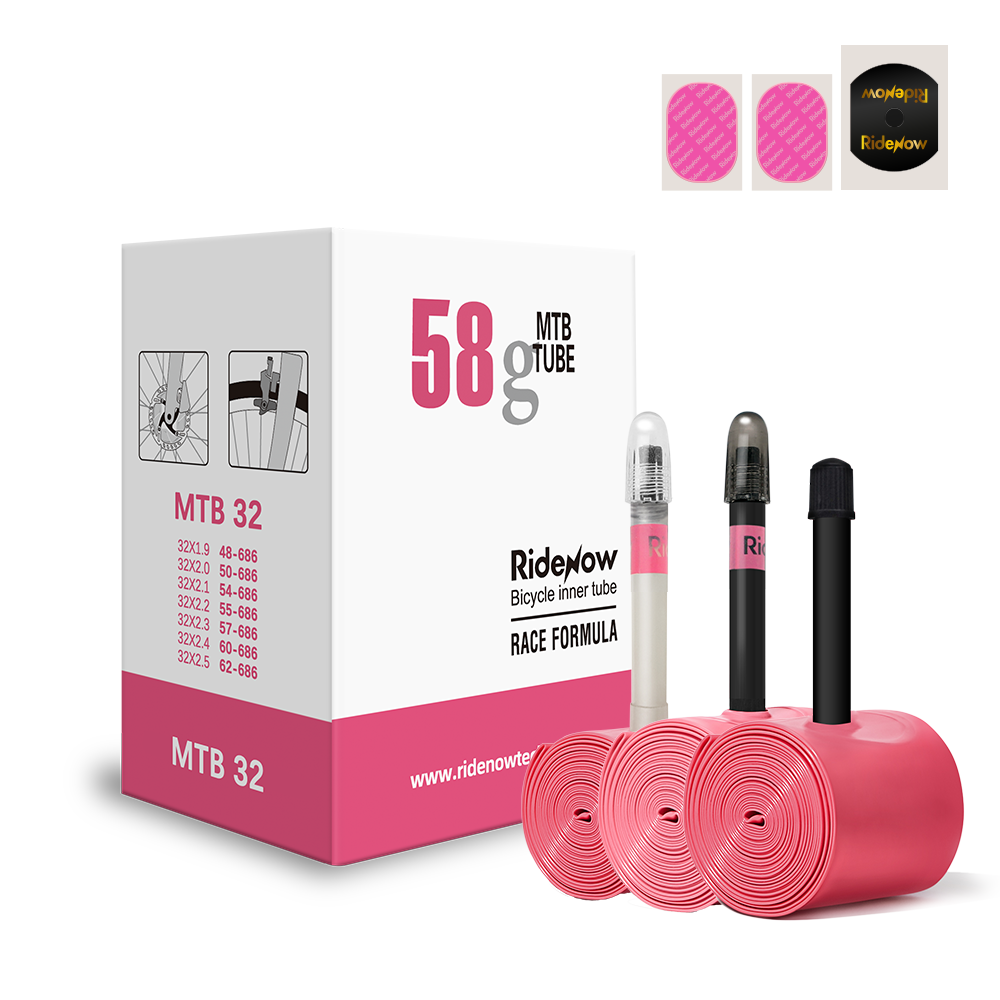
RideNow TPU Bike Inner Tubes Dedicated Repair Kit
- Cold-Welding Adhesive Matrix
- Instant Curing for Coastal Riders
- Compatible with Presta & Schrader Stems
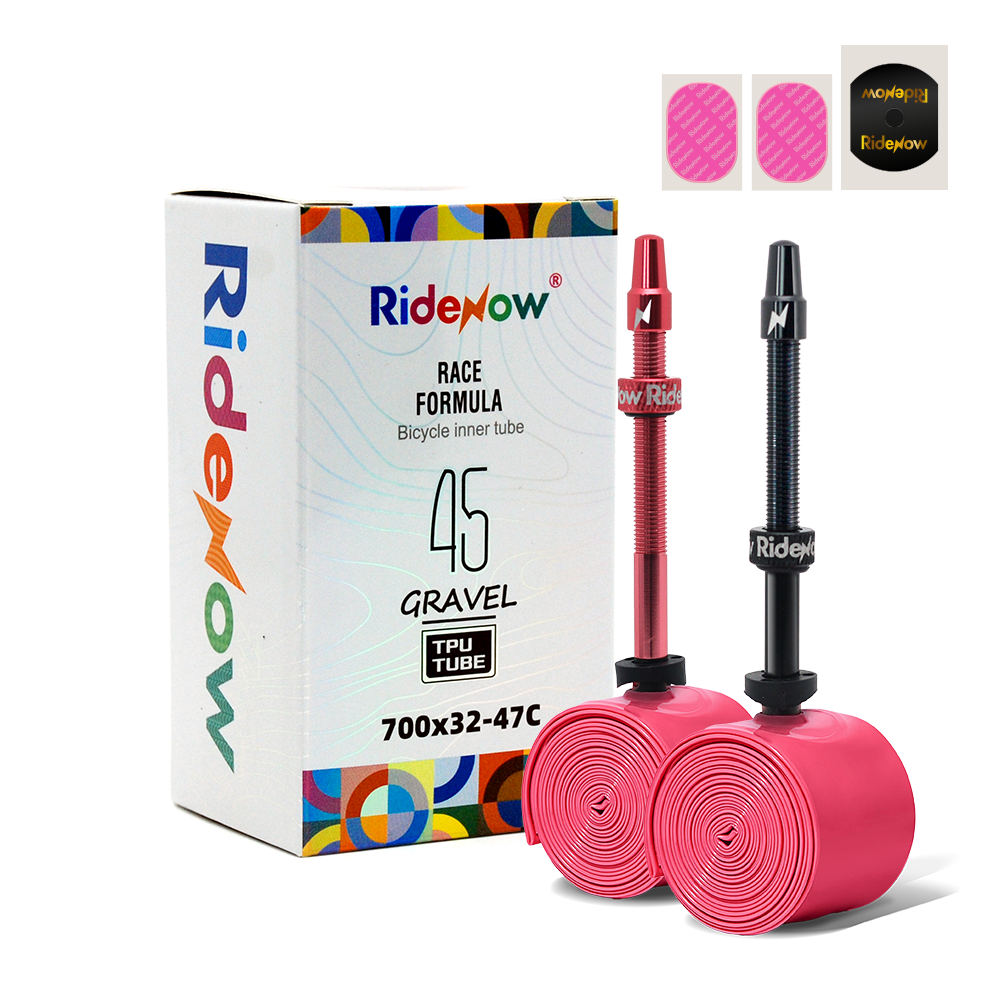
RideNow Gravel TPU Inner Tube 700x32C-47C Metal Valve
- High-Volume Rough-Surface Cushion
- Reinforced Valve Stem Joint
- Low Rolling Resistance Profile
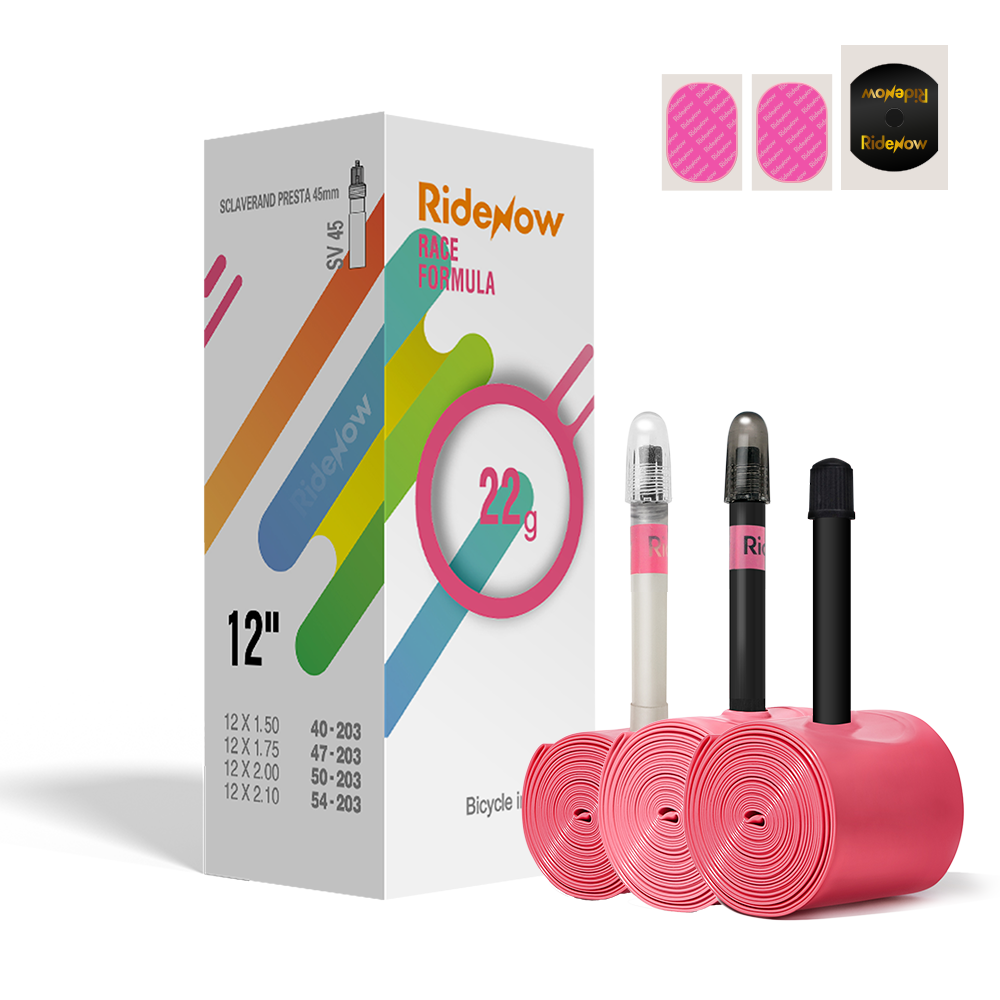
RideNow Kids & Mini-BMX TPU Inner Tube 12" 203
- ETRTO 203 Presta/Schrader Selection
- High Tear Resistance for Junior Riders
- Compact Emergency Pack Volume
Overcoming Rotational Dynamics and Salt-Laden Environments in the Limassol Cycling Sector
The urban and coastal cycling infrastructure of Limassol, Cyprus—spanning from the seaside concrete ramps of Molos Promenade to the high-torque, dry street spots along Anexartisias Street and the Germasogeia dirt tracks—presents a punishing operational environment for BMX inner tubes. Standard butyl rubber tubes, which have dominated the market for decades, possess inherent thermodynamic and viscoelastic flaws that fail under high-impact street riding and Mediterranean environmental stress. Butyl exhibits a heavy hysteresis curve, dissipating significant energy as internal heat during repeated rapid compressions and landings from drops, ledges, and quarterpipes. Furthermore, the relentless ambient temperatures in Limassol exceeding 38°C in peak summer exacerbate butyl softness, drastically elevating the incidence of pinch flats (snake bites) against raw rim channels.
By comparison, Thermoplastic Polyurethane (TPU) inner tubes represent an architectural paradigm shift in polymer physics. Manufactured from specialized aromatic or aliphatic ester- and ether-based polyurethane chains, our TPU inner tubes feature high-modulus crystallization phases. This microscopic molecular orientation endows our tubes with tensile yields and elongation tolerances far superior to synthetic rubber. For the local BMX community and distribution networks across Limassol and the wider Limassol District, transitioning to precision-extruded TPU translates into an immediate 65% drop in rotational mass, exceptional tear-propagation arrest, and structural resistance to salt air corrosion.
Micro-Molecular Dynamics: Why TPU Solves Limassol’s BMX Failures
BMX street and park disciplines demand high operating air pressures (frequently varying between 55 PSI to 85 PSI) to absorb heavy ground impacts without rim bottoming. In a traditional butyl tube, high pressure stresses the sulfur cross-links of the vulcanized matrix, making the tube brittle over cycles of severe compaction. When a rider under-rotates a 360 or miscalculates a grind on a granite ledge in Limassol’s urban squares, the tube is pinched between the metal tire bead seat and the inner wall of the rim. Butyl shears easily under this localized dynamic shear stress.
Our engineered TPU formulations utilize high-grade thermoplastic elastomers characterized by hard crystalline segments interwoven with soft, flexible polyester/polyether chains. When subjected to rapid localized impacts, the energy is distributed through the elastomer lattice rather than rupturing at a singular flaw point. Lab testing indicates a 3.2x higher puncture threshold against sharp Caliche limestone fragments and glass splinters commonly encountered across coastal industrial zones and Limassol Marina periphery streets.
Thermal Dissipation & Mediterranean Environmental Resistance
Limassol's coastal proximity subjects bicycle wheel assemblies to an aggressive mix of airborne sea salt (NaCl aerosols), intense solar UV radiation, and elevated ground surface heat. Butyl rubber is subject to environmental oxidation and ozone cracking; over time, the rubber stiffens, loses its elasticity, and exhibits gradual pressure drops via micro-porous venting. Our TPU material is intrinsically ozone-resistant and unaffected by the ionic degradation typical of marine atmospheres. The non-porous structure retains airtightness up to four times longer than classic butyl alternatives, reducing maintenance cycles for bicycle shops, rental fleets, and private riders.
Operational Application Scenarios Across Limassol
From technical street lines to local freestyle competitions, our specialized TPU tubes provide riders with precise tactile feedback and reliable mechanical endurance.
Molos Waterfront & Skatepark Freestyle
The concrete ramps and transition boxes near the Limassol seafront require instant bunny-hop responsiveness. Removing over 100 grams of rotational inertia per wheel allows riders to spin, tailwhip, and accelerate with greater angular efficiency while resisting drop-in rim pinches.
Anexartisias & Old Town Street Spots
Urban street sessions around historical paved alleys and concrete plazas expose wheels to irregular stone edges, glass, and harsh curbs. Our TPU matrix exhibits high cut-resistance, avoiding catastrophic blowouts during heavy peg grinds and ledge landings.
Limassol District Pump Tracks & Dirt Jumps
On technical dirt bowls and packed-clay jump lines in the suburban hills, constant high pressure can cause conventional rubber to deform unevenly. Our high-pressure 20" TPU tubes maintain geometric roundness, ensuring uniform tire contact and control in loose corners.
Limassol Bicycle Wholesale & Retail Trends: The Shift to TPU
How progressive bike shops and distributors across Cyprus are capitalizing on the transition toward ultra-compact, high-performance cycling components.
Logistical & Shelf-Space Optimization
In retail stores across Mesa Geitonia and Agios Athanasios, floor and storage footprint commands a premium. TPU inner tubes fold into one-third the volume of standard butyl tubes. A standard carton can hold three times the SKU units, dramatically reducing European maritime shipping costs per unit into the Port of Limassol.
Premiumisation of Action Sports Consumables
Cypriot BMX and extreme sport riders are actively adopting premium components that enhance riding efficiency. No longer satisfied with heavy, disposable tubes, customers readily pay higher margins for ultralight, highly durable components that lower breakdown rates during warm weekend rides.
Direct Sourcing for Private Label Brands
With cycling clubs and boutique retailers growing across Limassol, Larnaca, and Nicosia, there is soaring demand for localized OEM branding. Our low entry MOQ of 20 pieces allows distributors to curate their own branded packaging and custom valve configurations with negligible balance-sheet friction.
Why Importers in Limassol Partner with Qingdao JORV Technology
Founded in 2017 by cycling engineers, we combine German R&D with modern industrial facilities, serving wholesalers, retail chains, and OEM programs across Southern Europe.
Multi-Hub Engineering & Operations
Headquartered in Qingdao, China with an advanced R&D center in Düsseldorf, Germany, a branch in Shenyang, and supply-chain operations in Taiwan. Over 30% of profit is continually reinvested into product development and automation upgrades.
Low Entry Threshold & Flexible MOQ
We facilitate fast market validation for Cypriot importers: starting from just 20 pieces for TPU inner tubes, 10 pieces for tubeless valves, and 1 piece for travel cases and rocker plates. Minimize your stock risk while broadening your product catalog.
Complete Multimodal Export Capability
Supporting flexible international trade terms including FOB, CIF, EXW, DDP, and DDU. Seamless marine freight routing to Limassol Port with complete EUR/USD multi-currency invoicing, T/T, L/C, and commercial compliance.
Limassol Buyer FAQ: TPU Inner Tube Sourcing
Everything local distributors, bicycle shop managers, and procurement officers need to know before initiating a shipment.
Q: What is the MOQ for shipping TPU inner tubes to Limassol?
Our baseline minimum order quantity is just 20 pieces per tube model. This low-risk barrier allows local bicycle retailers and online stores across Cyprus to test sizes like 20" BMX (406/451) and 700c Road before scaling to pallet or container orders.
Q: How do BMX TPU inner tubes hold up under Limassol's summer asphalt heat?
Unlike butyl rubber, which softens and degrades structurally when road temperatures rise above 45°C, high-grade TPU retains its dimensional stability and puncture resistance. It is also completely immune to salt-air oxidation along the coastline.
Q: What valve types and lengths are supplied for the 20" BMX series?
We supply both reinforced Metal Presta valves (45mm/65mm) and heavy-duty Schrader valves with specialized composite bases designed to eliminate valve stem tearing during hard, off-center landings.
Q: Can Cypriot retailers request private-label OEM packaging?
Yes. Our in-house technical and graphic design team supports full private label printing, custom barcoding, localized language compliance (English/Greek), and custom-branded retail boxes with bundled repair patches.
Q: Can punctures in TPU inner tubes be repaired on the go?
Yes. Every JORV tube includes an ultra-thin TPU repair kit. The repair utilizes a cold-weld elastomer adhesive system that bonds permanently within minutes, requiring no toxic vulcanizing fluids or prolonged drying times.
Q: What are the standard lead times and shipping terms to Cyprus?
Standard production lead times for wholesale volumes are 7–15 working days. Air freight consignments reach Larnaca or Paphos in 5–8 days, while consolidated LCL sea freight directly to Limassol Port takes approximately 22–30 days.
Ready to Upgrade Your Limassol Cycling Inventory?
Consult directly with our technical sales engineers regarding wholesale pricing, OEM branding programs, or sample dispatch to Cyprus. Our team responds in under 13 hours on average.
Contact Us