Engineered to withstand intense tropical heat, extreme moisture shifts, and severe road friction across urban corridors and backcountry trails.
A technical examination of environmental, infrastructural, and microclimatic stresses placed on pneumatic cycling components within the southern Caribbean basin.
Tarmac temperatures along the Queen's Park Savannah, Wrightson Road, and Churchill Roosevelt Highway frequently exceed 50°C during peak dry season. Conventional butyl tubes experience accelerated rubber softening, compounding structural creep.
Our thermoplastic polyurethane (TPU) patch systems and proprietary cold-curing glues utilize cross-linking polymeric resins that do not soften, bubble, or migrate under sustained tropical asphalt radiant heat, guaranteeing puncture seal integrity.
Direct exposure to the Gulf of Paria introduces intense airborne sodium chloride ions that degrade brass cores and standard low-grade zinc alloy Presta components within months. Pitting corrosion frequently freezes traditional valve cores.
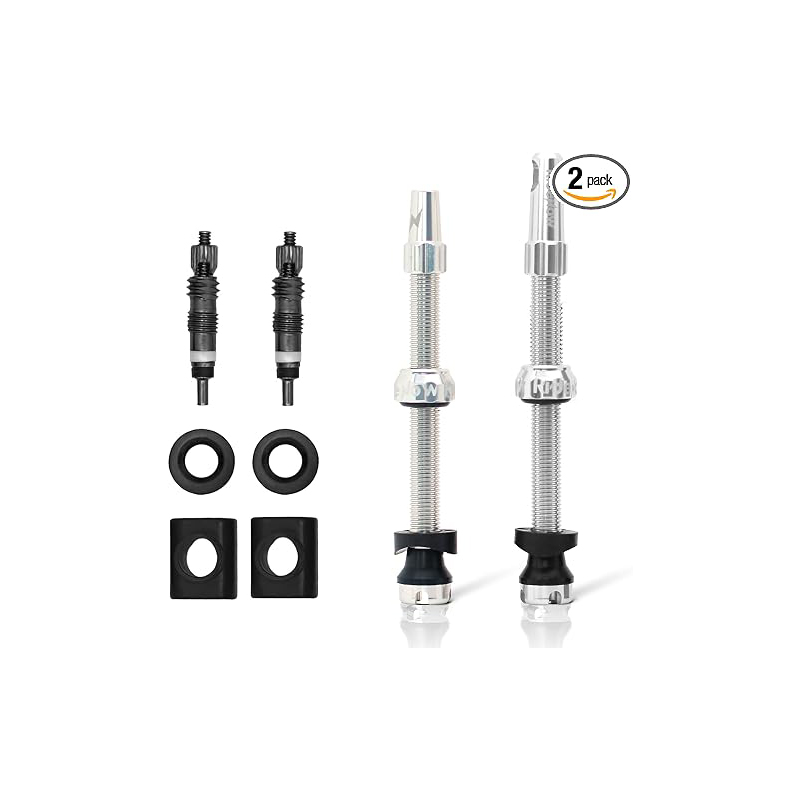
Our 7075 T6 hard-anodized valve systems and airtight vulcanizing patches contain anti-oxidation barriers. Every patch kit incorporates chemically inert elastomer compounds that resist saltwater vapor, preventing delamination in seaside cycling operations.
Ascending Lady Chancellor Hill or navigating technical trails into the Northern Range subjects bicycle tires to jagged chert rock, sharp limestone edges, and debris swept onto road shoulders by sudden tropical downpours.
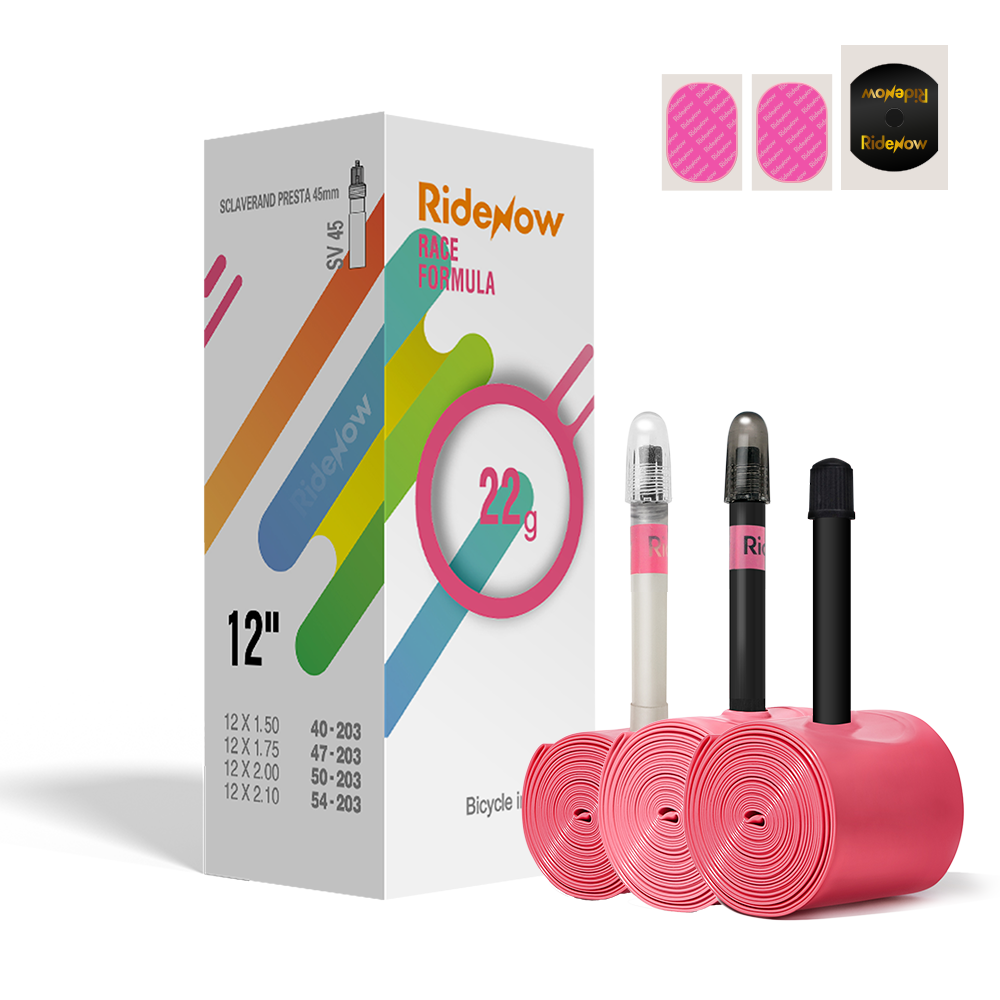
Our patch kits leverage ultra-high tensile TPU membranes capable of stretching up to 400% before tear propagation. When applied over a casing laceration, the patch flexes synergistically with tire casing deflection without shear failure.
Traditional inner tubes rely on heavy extruded synthetic butyl rubber, which suffers from low tear resistance and substantial molecular permeability. Our Qingdao and Düsseldorf engineering divisions perfected high-crystallinity thermoplastic polyurethane formulation.
This distinct macromolecular architecture delivers twice the tensile rupture threshold of equivalent-weight butyl while decreasing raw material thickness by over 65%. For wholesale procurement managers across Trinidad, this translates directly to lower ocean freight volume, minimized shelf-space degradation, and vastly superior customer satisfaction rates.
How shifting economic dynamics, supply chain nearshoring, and micro-mobility initiatives are shaping parts supply across Trinidad and the wider CARICOM territory.
With Caribbean inflation impacting imported goods, commercial bike couriers and everyday commuters across downtown Port of Spain are turning away from immediate tube replacement toward high-reliability patch solutions. Workshop kits offering rapid zero-cure vulcanization allow repair shops to turn around flats within three minutes while generating higher gross margins per service call.
Last-mile distribution logistics within congested port perimeters and urban commercial districts are progressively adopting mid-drive electric cargo bikes. Higher instantaneous axle torque and gross vehicle weights increase pinch-flat frequency along rough curb edges, requiring reinforcement patch matrices that withstand continuous casing pressures exceeding 85 PSI without edge migration.
Trinidadian importers are bypassing expensive third-party distributors in North America to establish factory-direct partnerships. Leveraging containerized transit via deepwater terminals like Point Lisas and Port of Spain Harbour, local retailers obtain tailored MOQs, private labeling packaging, and direct technical backing directly from the manufacturer.
Combining rigorous German engineering disciplines with high-efficiency automated manufacturing in Qingdao and global logistics hubs in Taiwan.
Since our engineering team was formed in 2017, we have maintained a focused commitment to material science: bicycles can still improve dramatically through modern engineering. More than 30% of our annual profit is continuously reinvested into exploratory R&D.
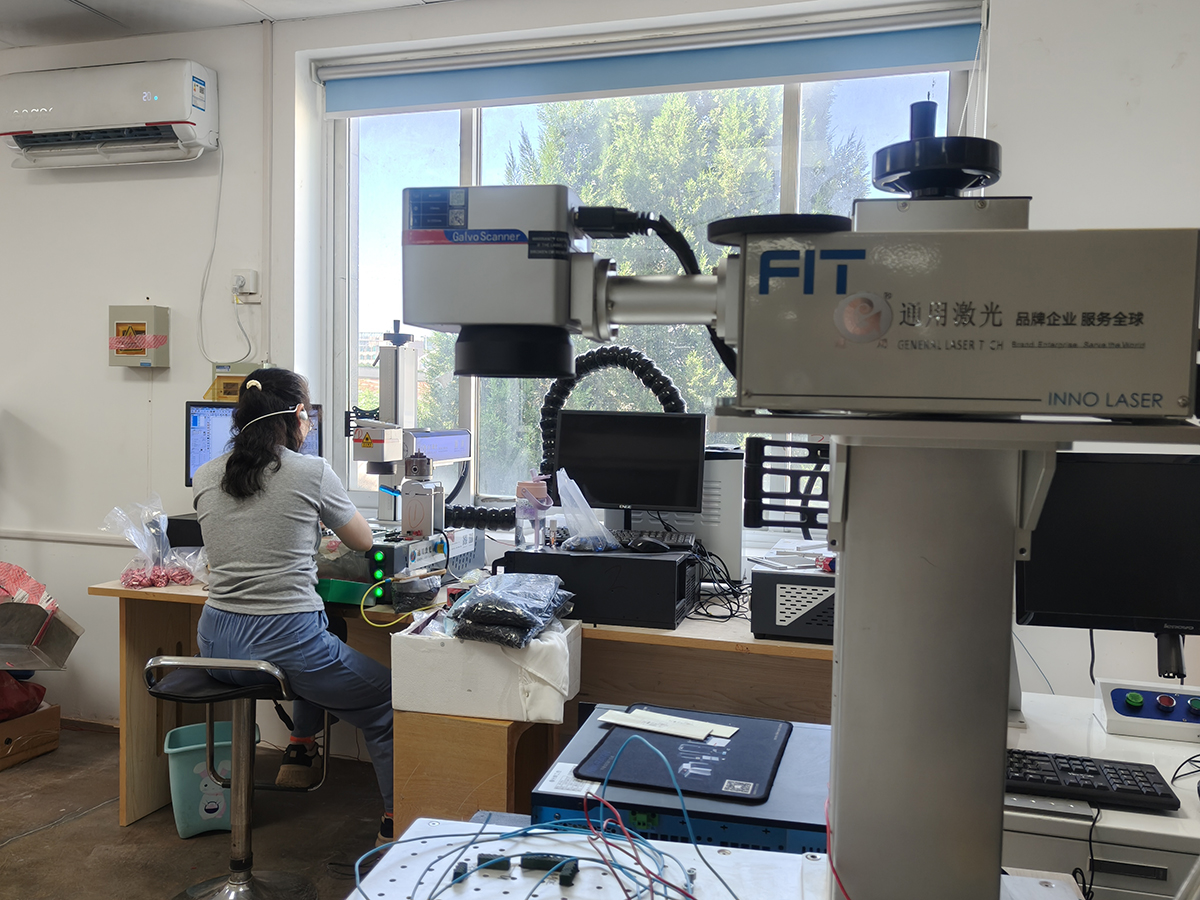
Our dedicated research center in Düsseldorf, Germany leads advanced polymer simulations, while our Qingdao headquarters drives precision tooling, automated production calibration, and rigorous quality assurance.
Every single batch of our TPU inner tubes and cold-cure patch adhesives undergoes exhaustive hydrostatic burst testing, seam-weld shear tests, and accelerated thermal oxidation tracking. Higher-grade raw materials ensure zero lot-to-lot variance.
Automated production lines dramatically minimize manual assembly errors, providing our wholesale partners with predictable quality metrics and a return rate consistently verified below 0.08%.
We respect the cash flow and inventory optimization requirements of regional distributors. Our flexible minimum order quantities start at just 20 pieces per tube specification and 10 units for precision CNC valve hardware.
Full support for OEM custom packaging, individualized UPC labeling, multilingual blister cards, and flexible payment terms including T/T, L/C, DDP, and CIF directly to Caribbean ports.
Our global operations framework integrates our Qingdao manufacturing core with branch locations in Shenyang and our specialized international logistics and supply chain command in Taiwan. This multi-hub setup safeguards material acquisition, optimizes routing, and insulates overseas partners from regional freight disruptions.
Whether you require standard factory cartons or shelf-ready retail blister packaging customized for Trinidadian sports retailers, our sales engineers guarantee comprehensive pre-shipment inspections and rapid outbound documentation within an average inbound response time of ≤ 13 hours.
Essential regulatory, shipping, chemical compatibility, and installation inquiries addressed by our technical export department.
Traditional butyl patches depend on sulfur-based vulcanizing accelerators reacting with natural rubber. TPU membranes are chemically distinct. Our patch kits include proprietary polyurethane bonding matrices that molecularly fuse with the TPU inner tube surface without requiring extensive sandpaper abrasion, yielding an immediate, permanent seal resistant to tropical heat.
Yes. All wholesale shipments are packaged in multi-layer vacuum barrier foils with enclosed silica desiccant packets, preventing ambient moisture absorption or adhesive degradation throughout ocean transit via the Panama Canal or Atlantic maritime lines into Port of Spain.
We offer versatile shipment protocols including FOB Qingdao, CIF Port of Spain, and complete DDP door-to-door fulfillment where customs tariffs, value-added taxes, and local port clearance are handled systematically. Typical maritime transit from factory dispatch to container berth spans 28 to 35 days.
TPU tubes are exceptionally high-performing and primarily recommended for modern disc-brake configurations. On steep mountain descents like Maracas or Blanchisseuse with rim brakes, continuous friction can elevate rim temperatures above 150°C. We manufacture specialized heat-tolerant polymer grades designed specifically to resist thermal rim-brake expansion; consult our engineers to specify the appropriate model.
Absolutely. We operate complete in-house OEM printing workflows. With low threshold order minimums, we can integrate your registered trademark, local barcode symbologies, regional customer service details, and custom colorways directly onto the patch boxes and tube packaging.
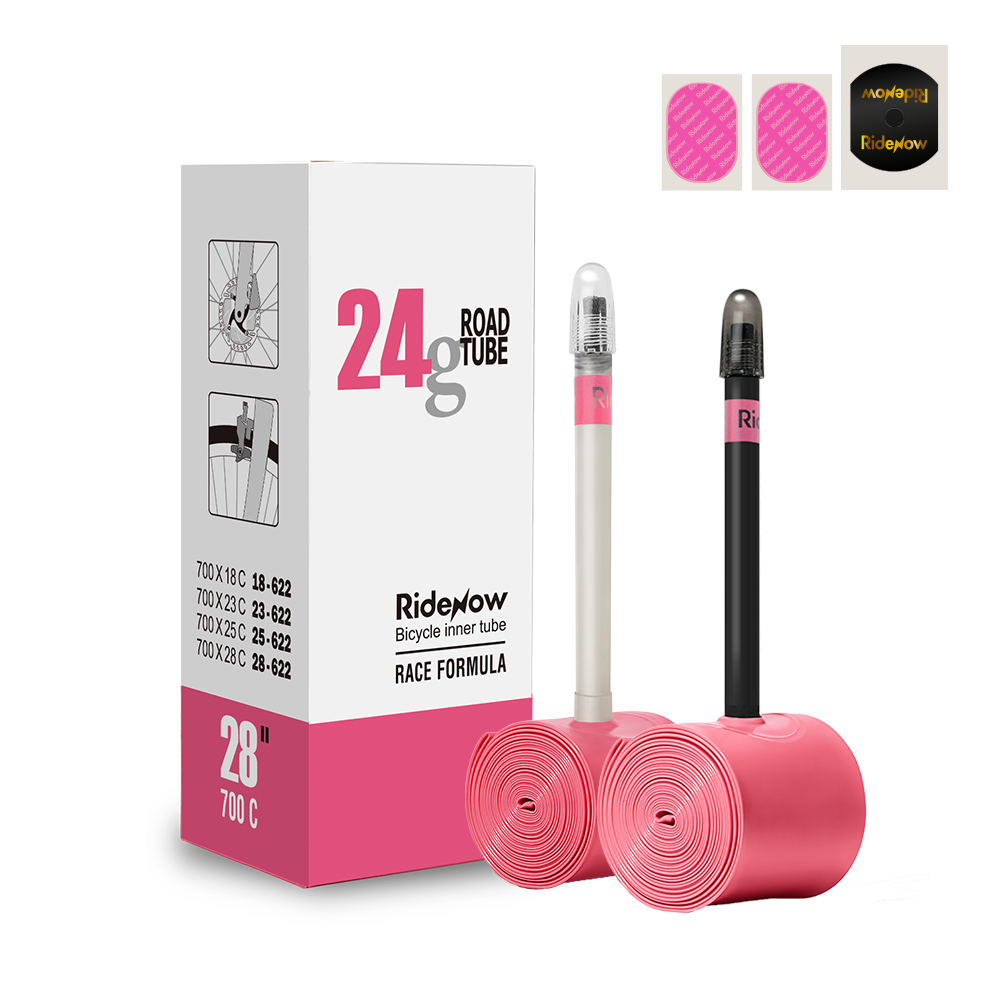
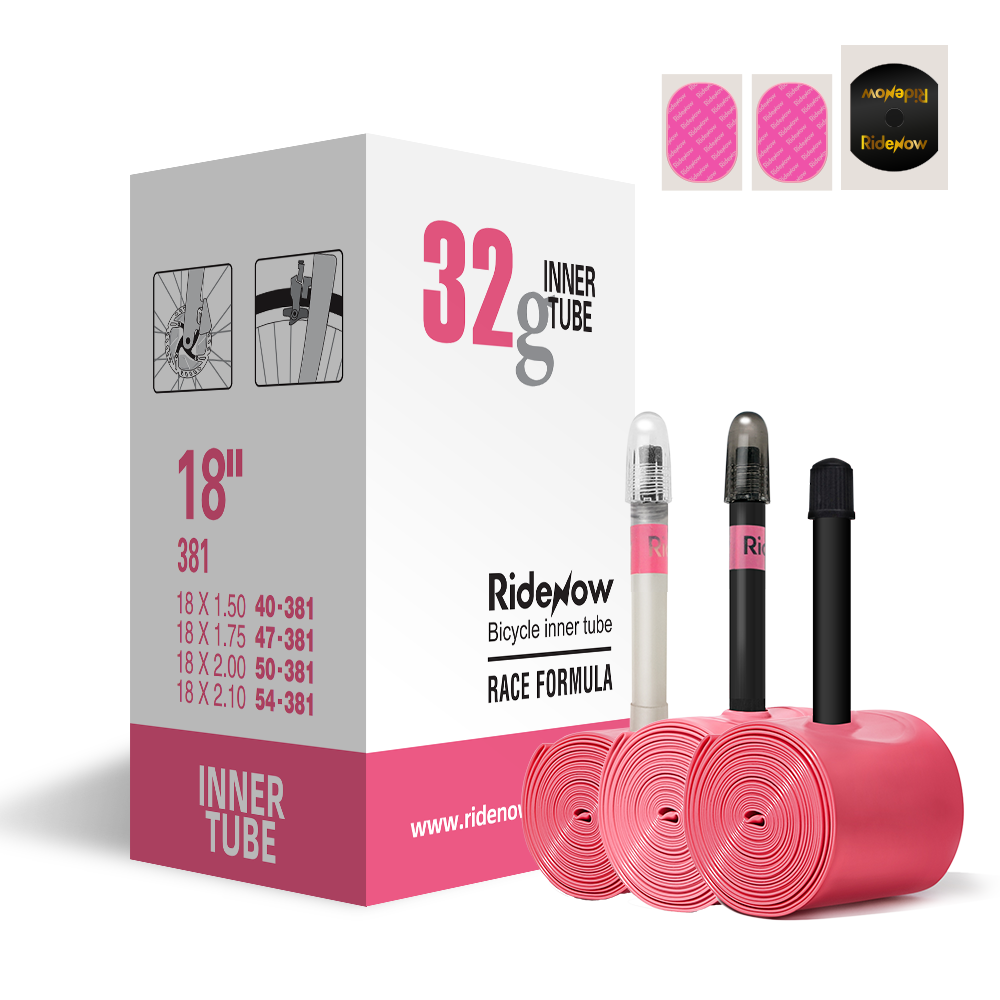
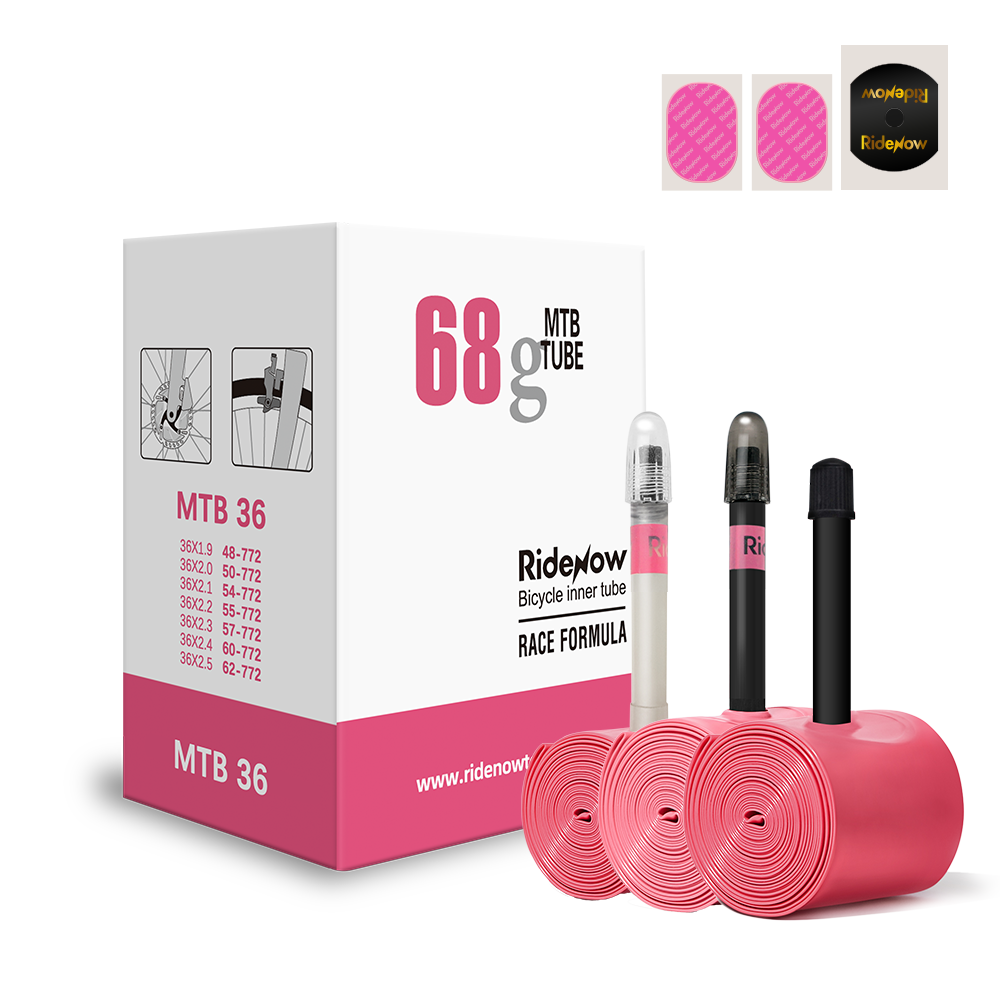
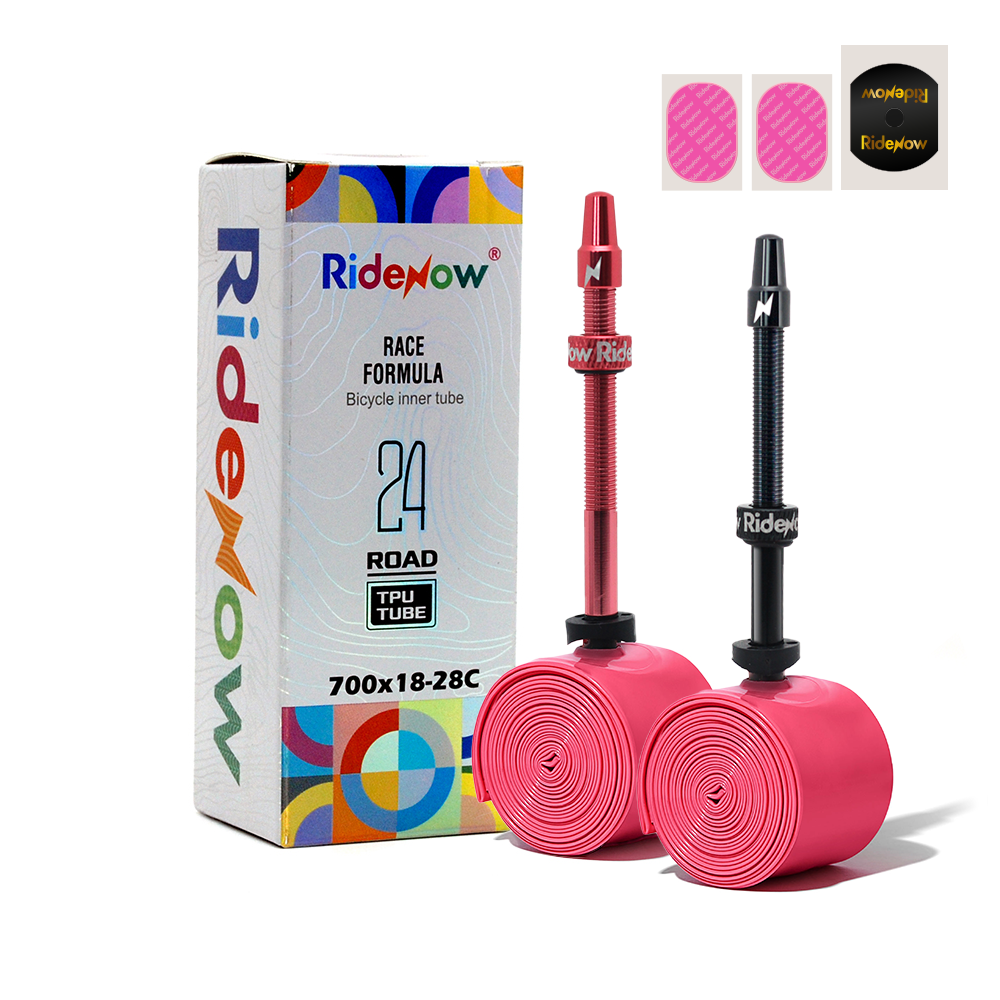
Yes. Many of our top-selling models—including the 700C Road Series, 36" MTB Series, and 20" Cargo Series—ship standard with pre-cut glueless emergency TPU patches packaged neatly in the retail box, giving end-users an out-of-the-box repair solution that drives retailer repeat business.
Speak directly with our technical export engineers. Let us build your seasonal procurement plan, provide testing samples for your local workshop, or configure private-label production schedules.