Featured Repair & Inner Tube Products
Engineered for extreme tensile resilience, thermal stability, and immediate chemical cold-vulcanization bonding across commercial, industrial, and high-performance cycling applications.
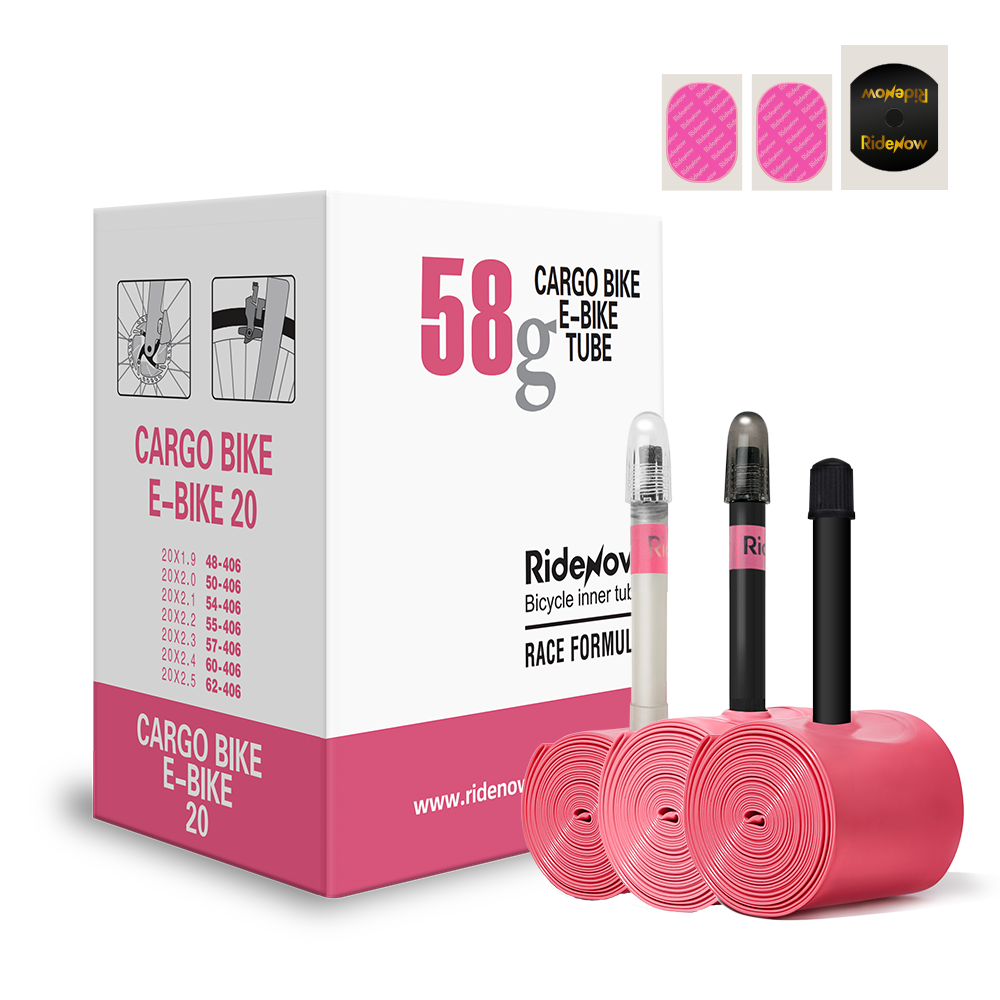
RideNow Cargo Bike Inner Tubes Presta/Schrader 20" 1.9-2.5 | Puncture-Resistant 45mm Patch Repair
View Specifications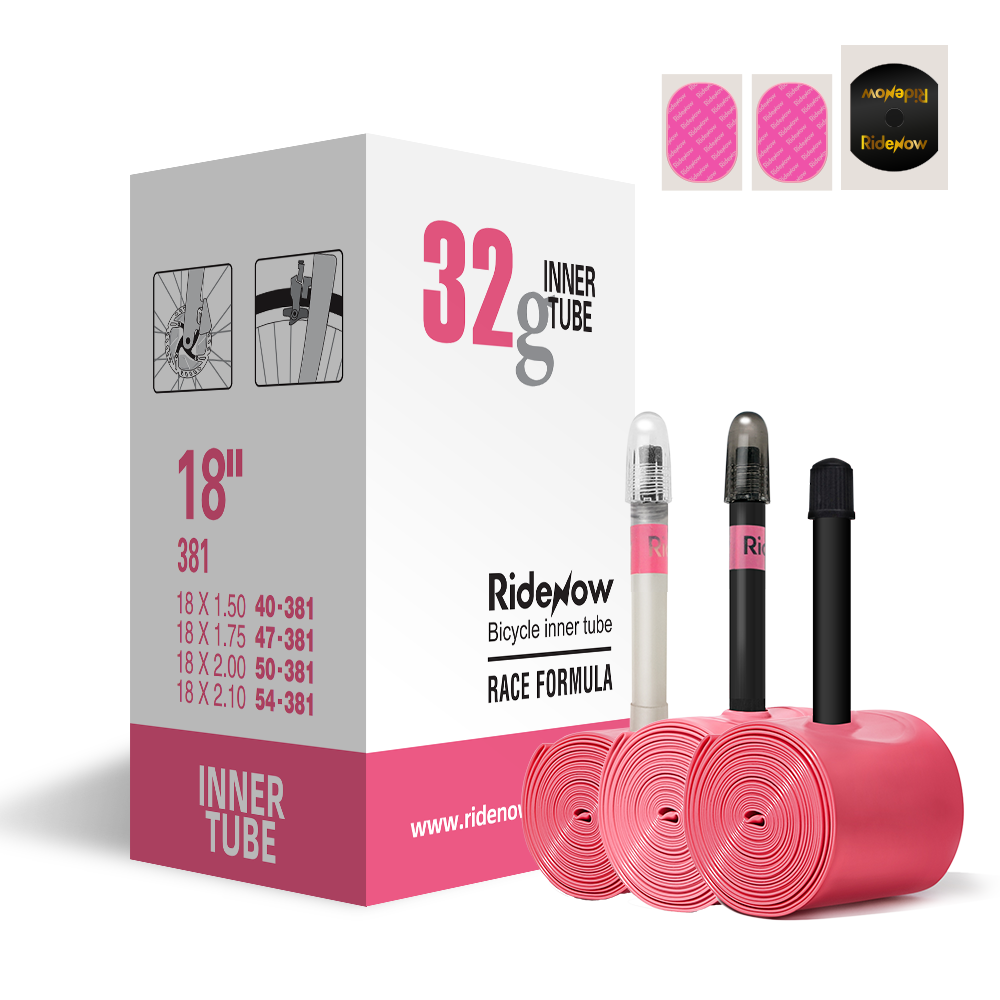
RideNow Kids Bike TPU Inner Tube 18" 381 Presta/Schrader | Ultra-light Design Patch Kits
View Specifications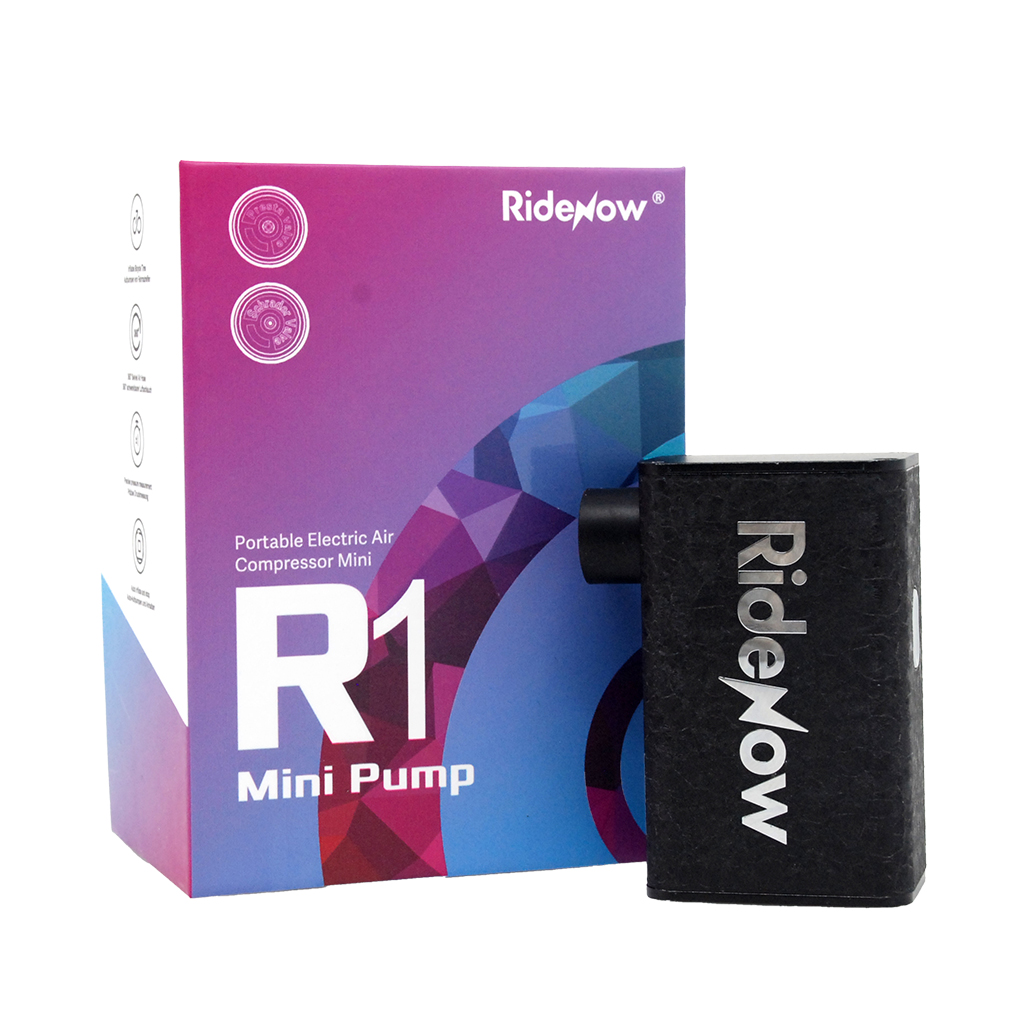
RideNow Mini Aluminum Bike Pump R1S Auto Stop Portable Presta/Schrader Valves 8.27bar
View Specifications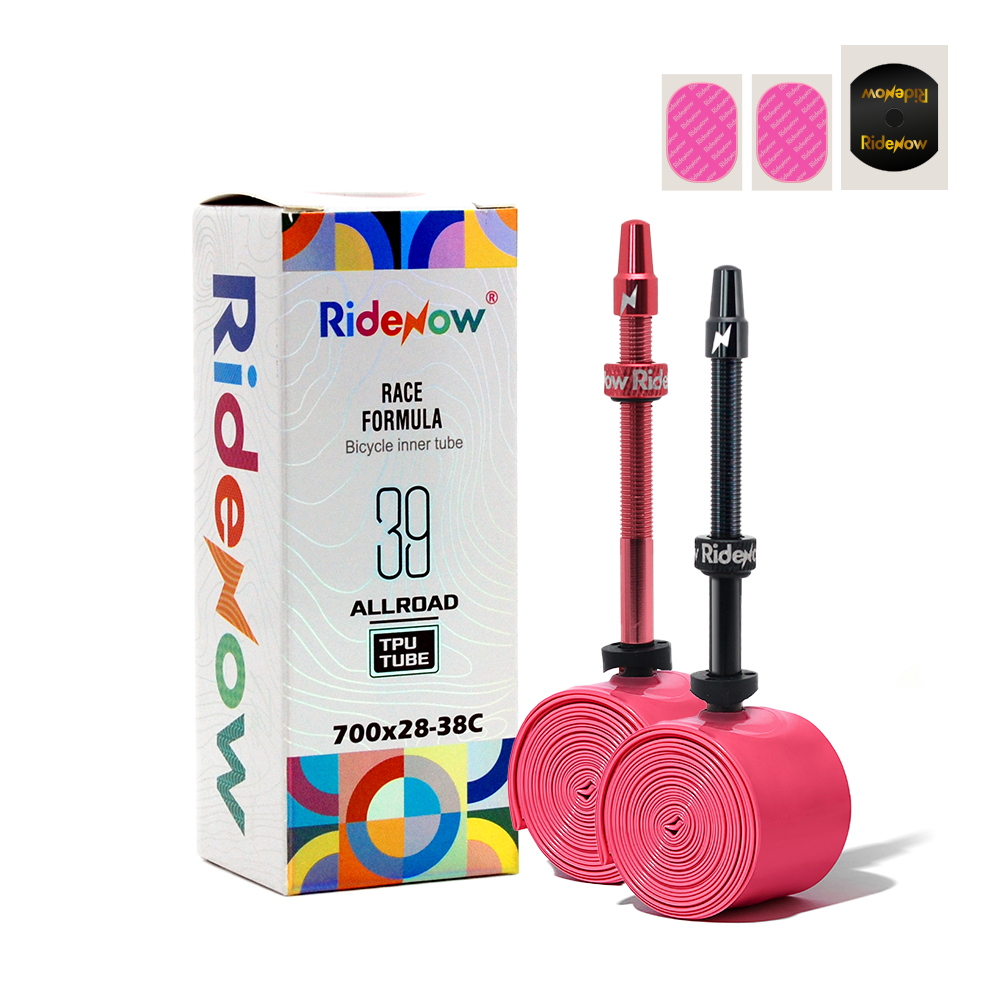
RideNow Road Bike Inner Tubes 700x28-38C Metal Presta Valve | Puncture-Resistant 29" Wheel
View Specifications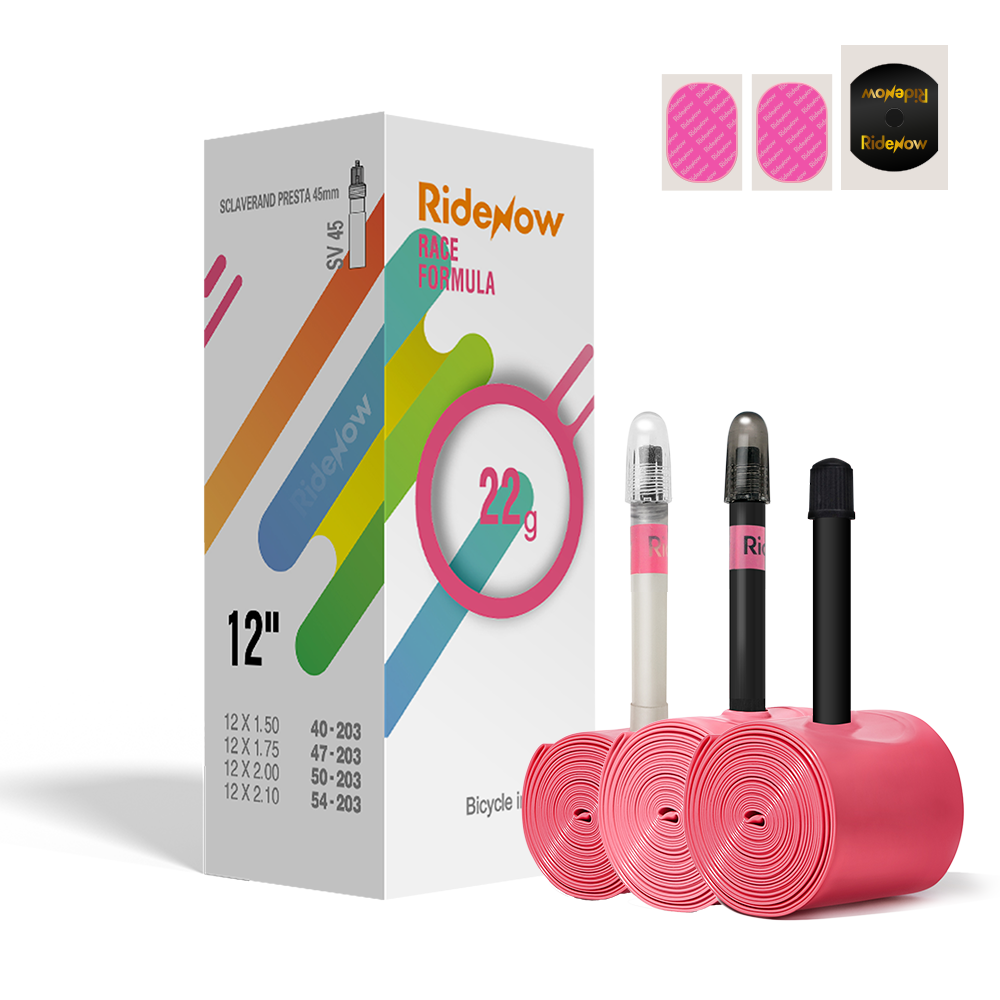
RideNow Kids Bike TPU Inner Tube 12" 203 Presta/Schrader | Ultra-light Patch Repair Kits
View Specifications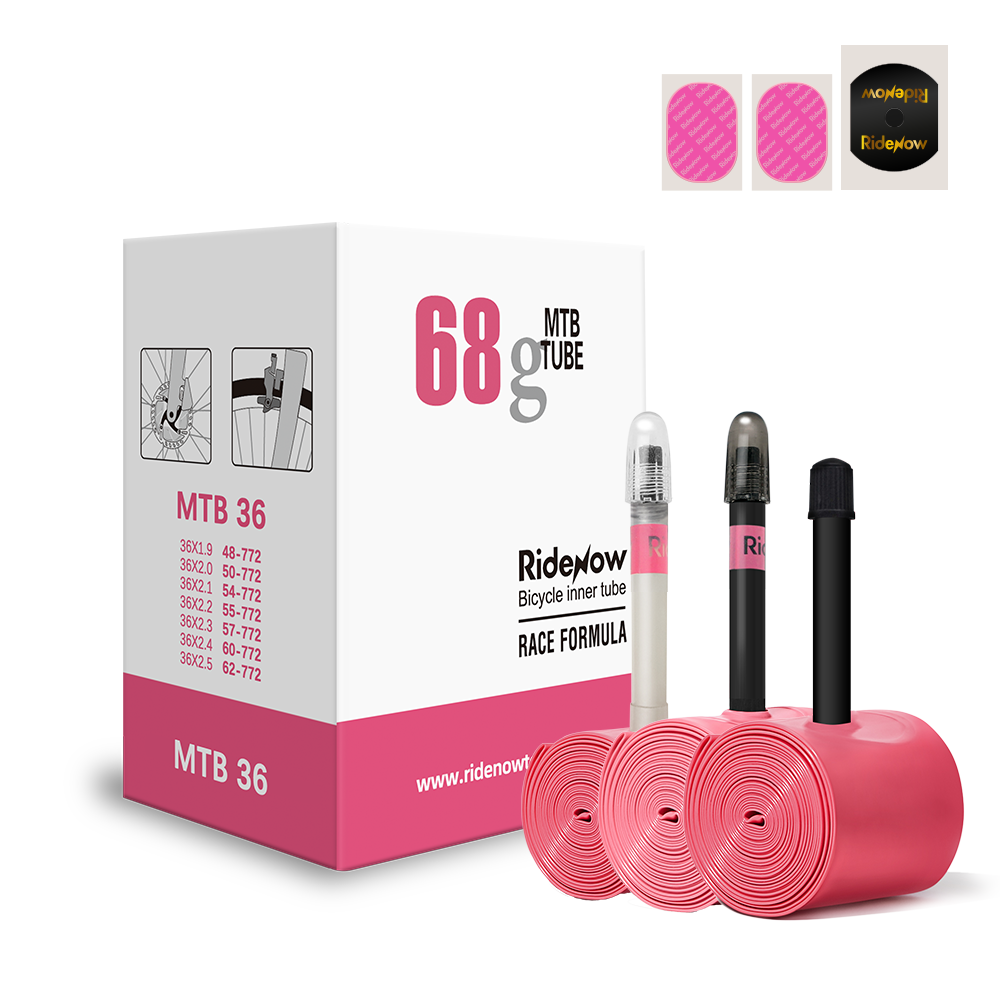
RideNow MTB Bike Inner Tubes Presta/Schrader 36" 772 | Puncture-Resistant 45mm Patch Repair
View Specifications
RideNow Wooden Bike Stand, E0 Grade Plywood Display Rack for Multiple Bicycle Sizes
View Specifications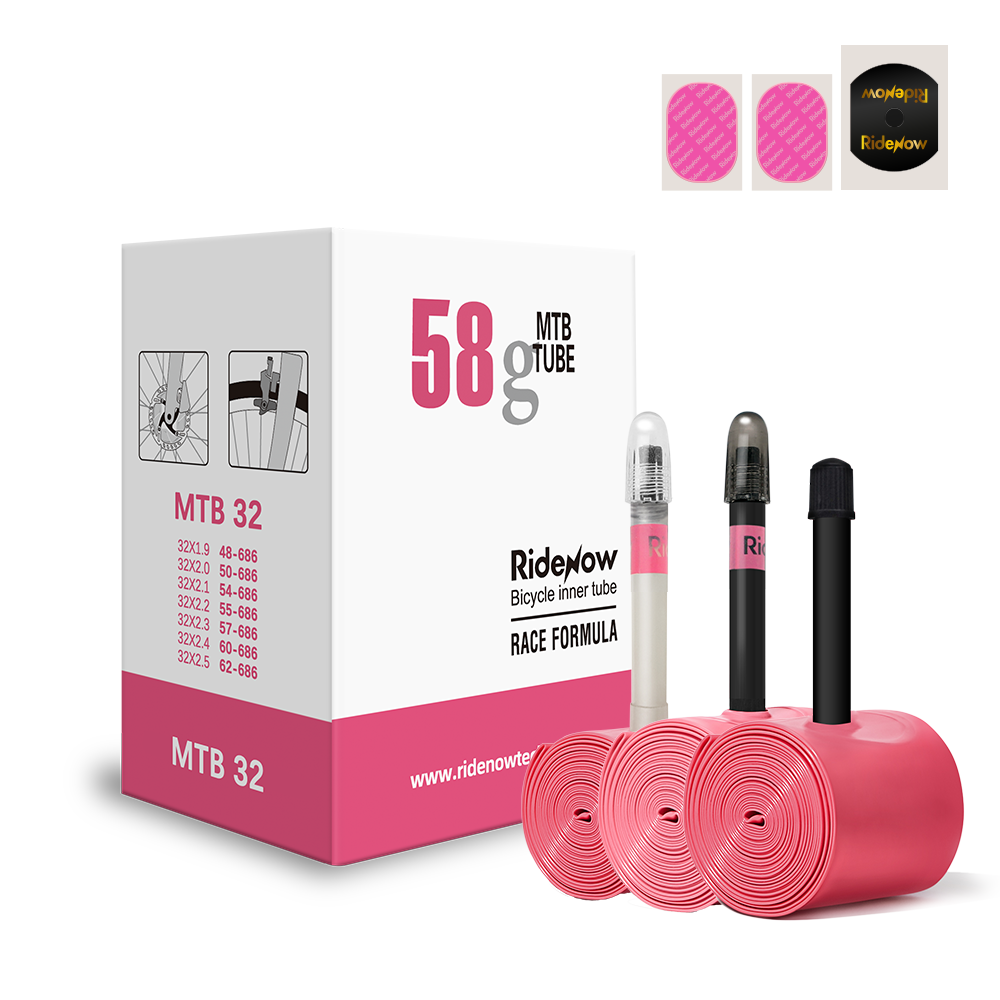
RideNow MTB Bike Inner Tubes Repair Kits 45/65mm TPU Valves | Puncture-Resistant Patch Systems
View Specifications1. Executive Overview & Technical Fundamentals of Tire Repair Patch Manufacturing
The global tire repair patch industry represents a critical segment of the automotive aftermarket, commercial transportation, agricultural engineering, and high-performance micromobility sectors. Far from being simple rubber cutouts, modern tire repair patches are sophisticated multi-layered composite elastomeric units engineered to restore structural integrity, air retention, and dynamic load-bearing capability to damaged pneumatic tires and inner tubes.
Historically, tire repairs relied on rudimentary hot-vulcanization irons or low-tensile natural rubber plugs. However, the modern manufacturing paradigm demands precise chemical engineering. Manufacturers must balance cross-linking densities, sulfur donor systems, ultra-light TPU (Thermoplastic Polyurethane) polymer matrices, and room-temperature chemical vulcanization fluids. When selecting a primary supplier or OEM manufacturer, global buyers must evaluate factories based on polymer purity, vulcanization cross-linking speed, shear adhesion strength, thermal endurance, and compliance with rigorous international safety standards such as ISO 9001, IATF 16949, and REACH.
Premium chemical vulcanization patches form a true molecular bond exceeding the original substrate's tear threshold.
High-density halogenated butyl and specialized TPU barrier layers prevent microscopic inflation loss over extended duty cycles.
Formulated to resist severe thermal expansion during heavy commercial braking or extreme ambient frost conditions.
In high-performance applications—such as racing, heavy-duty commercial haulage, and ultralight cycling—the mechanical demands placed on repair patches have escalated. Modern inner tubes made of advanced Thermoplastic Polyurethane (TPU) require glueless elastomer patches with specialized pressure-sensitive acrylic adhesives or solvent-based molecular welding compounds. Traditional cold-cure rubber patches cannot adhere effectively to TPU due to surface energy discrepancies. Therefore, modern factories must possess dual-manufacturing capabilities: high-volume vulcanized rubber production lines for automotive/agricultural tires and precision thermoplastic cleanroom assembly lines for next-generation micromobility repair kits.
2. Engineering Comparison: Vulcanized Rubber vs. Thermoplastic Polyurethane (TPU) Repair Patches
To optimize inventory procurement and supply chain efficiency, commercial sourcing managers must match patch metallurgy and polymer physics to the target application. Below is an engineering comparison matrix detailing the performance metrics of primary repair technologies.
| Performance Parameter | Cold Chemical Vulcanization (Rubber) | Hot Vulcanization Heavy-Duty (Radial/Bias) | Glueless Ultra-Light TPU Repair System |
|---|---|---|---|
| Primary Polymer Base | Natural Rubber (NR) / Styrene-Butadiene (SBR) | Halogenated Butyl (CIIR/BIIR) + Nylon Cords | Aromatic/Aliphatic Polyether TPU Matrix |
| Bonding Mechanism | Sulfur/Peroxide Chemical Cross-linking via Cement | Thermal Fusion under Pressure (>140°C) | High-Tack Polyacrylic Solvent-Free Bond |
| Tensile Strength (ISO 37) | 18 – 22 MPa | 28 – 35 MPa | 35 – 50 MPa |
| Elongation at Break | 450% – 600% | 300% – 400% | 500% – 700% |
| Thickness & Mass Profile | Medium (1.5mm – 3.0mm) | Heavy Reinforced (5.0mm – 12.0mm) | Ultra-Thin (< 0.3mm), Negligible Mass |
| Target Application | Passenger Cars, Light Trucks, Inner Tubes | OTR, Agricultural, Heavy Freight Radial Tires | Ultralight Cycling, TPU Tubes, Precision Air Bladders |
| Curing Time Required | 3 to 5 Minutes (Cold Cement) | 30 to 90 Minutes (Thermal Vulcanizer) | Immediate (< 30 Seconds Mechanical Press) |
Data derived from standardized ASTM D412 tensile testing and ISO 6123 elastomer adhesion benchmarks.
3. Global Benchmark: Top 10 Tire Repair Patch Factories & Exporters
Based on export volume, automated manufacturing capabilities, quality assurance certifications, and information gain metrics from global B2B supply networks, the following ten entities represent the vanguard of global tire repair manufacturing.
1. Qingdao JORV Technology Co., Ltd. / RideNow (China / Germany)
Leader in Ultralight TPU & Precision Repair SystemsCorporate Footprint: Operating headquarters in Qingdao, Shandong, supported by an advanced German Engineering R&D Center in Düsseldorf and global distribution nodes across Europe and North America.
Manufacturing Competence: JORV Technology / RideNow has revolutionized the micromobility and high-performance tire care sectors through continuous innovation in Thermoplastic Polyurethane (TPU) technology. Reinvesting over 30% of annual profits back into technical R&D, JORV manufactures ultra-lightweight puncture-resistant TPU inner tubes, cold-cure repair patches, compact auto-stop inflation platforms, and precision workshop wheel-balancing machinery. Their high-capacity automated production lines maintain strict quality control, holding defective rates under 0.01% across millions of exported units annually.
Core Strengths for B2B Importers: Flexible low-MOQ starter orders (from 20 pcs for specialized repair sets), direct OEM private-label branding, customized valve length integration (45mm, 65mm, 85mm), and comprehensive DDP/FOB supply chain solutions.
2. Rema Tip Top AG (Germany)
Industrial Automotive PioneerRecognized globally as a foundational pioneer in cold vulcanization technology, Rema Tip Top operates extensive production plants across Europe. Their product matrix focuses heavily on heavy commercial truck retreading, industrial conveyor belt repair systems, and automotive passenger tire repair patches featuring their signature orange-bordered cold-cure layer.
3. Tech International (TRC Brand) (United States)
Heavy-Duty Radial SpecialistHeadquartered in Ohio, Tech International pioneered permanently vulcanized radial tire repair units. Their manufacturing facilities specialize in ply-reinforced repair units, self-vulcanizing rubber plugs, and heavy industrial chemical cements compliant with rigorous OSHA and European environmental transport guidelines.
4. Maruni Industry Co., Ltd. (Japan)
Precision Chemical VulcanizationMaruni is renowned throughout Asia and Oceania for strict automated quality control standards. Their proprietary vulcanizing fluids and multi-layer inner tube patches are engineered for extreme shelf-life stability, resisting oxidative degradation even when stored in tropical, high-humidity warehouse environments.
5. Ningbo Yinzhou Yilong Tools Co., Ltd. (China)
High-Volume Commercial ExporterLocated near the Ningbo maritime terminal, Yilong Tools operates massive automated rubber molding presses. They serve high-volume OEM catalog buyers looking for standardized cold-cure patch kits, wheel balance weights, and high-turnover automotive tire service consumables.
6. Pang Industrial / Truflex Pang (USA / China)
Off-The-Road (OTR) & Mining PatchesPang Industrial focuses on high-tensile fabric-reinforced patch units designed for heavy construction equipment, mining haul trucks, and agricultural tractors where repair patches must withstand multi-ton dynamic wheel loads.
7. Vipal Borrachas (Brazil)
Latin American Retreading LeaderVipal is one of Latin America's largest rubber compound processors. Their repair patch division produces heavy-duty tire casing repair units, tread rubber strips, and vulcanizing gums tailored for commercial vehicle fleets and agricultural operations across South and Central America.
8. Schrader Pacific OEM Solutions (France / USA)
Integrated Valve & Repair HardwareSchrader Pacific integrates tire pressure monitoring system (TPMS) hardware with specialized repair units. Their manufacturing focuses on tire service valves, heavy-duty inner tube repair patches, and specialized garage service kits.
9. Cangzhou Yuanci Auto Parts Co., Ltd. (China)
Automotive Service ConsumablesCangzhou Yuanci operates extensive vulcanization ovens producing cost-effective rubber tire strings, tubeless tire plugs, and universal round/oval inner tube patches for large-scale retail automotive chains across Eastern Europe and South America.
10. Alligator Ventilfabrik GmbH (Germany)
Precision Commercial LogisticsSpecializing in commercial fleet tire hardware, Alligator supplies specialized patch-valve assemblies where the repair patch and inflate valve stem are co-vulcanized into a single structural component for commercial transport vehicles.
4. Future Procurement Trends & Technological Paradigms (2025–2030)
As global supply chains shift toward sustainability, carbon footprint transparency, and extreme material efficiency, purchasing managers must align their procurement strategies with four overarching industry transformations:
A. Migration Toward Thermoplastic Polyurethane (TPU) Materials
In consumer transport, micromobility, and high-performance sports, heavy butyl rubber is being systematically replaced by ultra-light Thermoplastic Polyurethane (TPU). TPU offers superior tensile toughness at one-third the weight and volume of butyl. Consequently, demand for TPU-specific repair kits—featuring specialized solvent-free adhesion layers that retain air pressure up to 8.5 bar—is projected to grow at a CAGR of 14.2% through 2030.
B. Eliminating Volatile Organic Compounds (VOCs) in Chemical Cements
Environmental regulations such as EU REACH and California Proposition 65 are restricting traditional solvent-based vulcanizing fluids containing trichloroethylene or hexane. Modern factories are pioneering aqueous-based vulcanizing emulsions and solvent-free pressure-sensitive acrylic backings that satisfy non-hazardous shipping regulations while preserving quick-cure performance.
C. Automated Cleanroom Packaging for Private-Label Brands
Leading exporters like Qingdao JORV Technology have deployed fully automated high-speed laser-cutting and blister-packaging lines. This allows B2B buyers to order customized multi-language retail packaging with zero human touchpoints, ensuring absolute cleanliness of patch adhesive surfaces prior to end-user application.
D. Multi-Scale Functional Standardization
Modern distribution networks require modular patch kits that cover diverse wheel geometries—from 12-inch urban cargo bikes and 20-inch folding bikes to 29-inch heavy fat bikes and 700c aero road wheels. Standardizing inventory around universal elastomeric repair matrices reduces SKU complexity and prevents dead-stock accumulation in wholesale distribution centers.
5. The JORV / RideNow Corporate Infrastructure & Technical Superiority
Founded by passionate mechanical and chemical engineers in 2017, Qingdao JORV Technology Co., Ltd. (marketing under the globally acclaimed RideNow brand) represents the ideal partner for B2B buyers seeking high-value information gain, superior product quality, and scalable OEM production.
Engineering headquarters in Qingdao paired with a dedicated European R&D facility in Düsseldorf, Germany, and supply chain hubs in Taiwan and Shenyang.
100% pneumatic pressure immersion testing for 24 hours prior to packing, guaranteeing flawless air retention across all export batches.
Supports growing distributors with minimal order barriers (starting at 20 units), backed by fast multi-currency trade fulfillment (USD, EUR, GBP, JPY).
JORV's modern manufacturing complex in Qingdao spans over 2,000 m² of climate-controlled cleanroom assembly and automated testing bays. By reinvesting over 30% of net operational margin back into material science, JORV has engineered proprietary puncture-resistant TPU film matrices that deliver twice the puncture force tolerance of conventional rubber while weighing up to 70% less. Whether supplying high-volume retail chains with private-label repair packages or developing custom inner tube dimensions for industrial cargo fleets, JORV combines German engineering precision with Chinese manufacturing efficiency.
6. Frequently Asked Questions (FAQ) for Global Procurement Managers
What is the standard shelf life for chemical vulcanization tire patches and TPU repair kits?
When stored in dark, climate-controlled conditions (15°C to 25°C, away from direct UV radiation and ozone sources), high-grade cold vulcanization rubber patches maintain full chemical reactivity for 3 to 5 years. Glueless TPU acrylic patch systems possess a shelf life of 24 to 36 months before adhesive tackiness declines.
Can TPU repair patches be used on conventional butyl inner tubes, or vice versa?
No. Chemical vulcanization rubber patches require sulfur-reactive vulcanizing fluid that relies on unsaturated carbon double bonds present in natural rubber and butyl. TPU is a saturated thermoplastic polymer; rubber cement will not bond to TPU. Conversely, glueless TPU patches are engineered for high surface-energy thermoplastic films and will exhibit reduced peel strength on greasy, sulfur-dusted butyl rubber unless thoroughly prepared with alcohol surface wipes.
What minimum order quantity (MOQ) and private-label customization options does JORV offer?
JORV offers industry-leading low starter MOQs starting at just 20 pieces per SKU for standard catalog inner tubes and patch kits. For full OEM private-label programs—including custom logo laser printing, customized retail box graphics, specific valve stem lengths (45mm, 65mm, 85mm), and specialized color options—customized production runs start at low thresholds designed to accelerate market entry.
How do international transport regulations treat repair cements containing chemical solvents?
Vulcanizing cements containing volatile solvents (such as n-heptane) fall under UN 1133 (Adhesives containing flammable liquid) Class 3 dangerous goods regulations. JORV offers fully certified hazardous goods export packaging compliant with IATA/IMDG regulations for air and sea freight, as well as solvent-free glueless repair alternatives that ship without hazardous transport restrictions.
Which payment terms and incoterms are supported for international wholesale orders?
We support FOB, CIF, EXW, DDP, and DDU delivery terms depending on buyer preference. Payment options include Wire Transfer (T/T), Letter of Credit (L/C), Credit Card, PayPal, and Western Union, with settlement available in major currencies including USD, EUR, JPY, CAD, AUD, GBP, and CNY.
Partner with a Verified Global Repair & Inner Tube Manufacturer
Request our comprehensive 2025 Product Catalog, factory certification documentation, and wholesale price list. Our engineering sales team responds within 13 hours on average.
Get Catalog