High-Demand Cycling Accessories & Precision Components
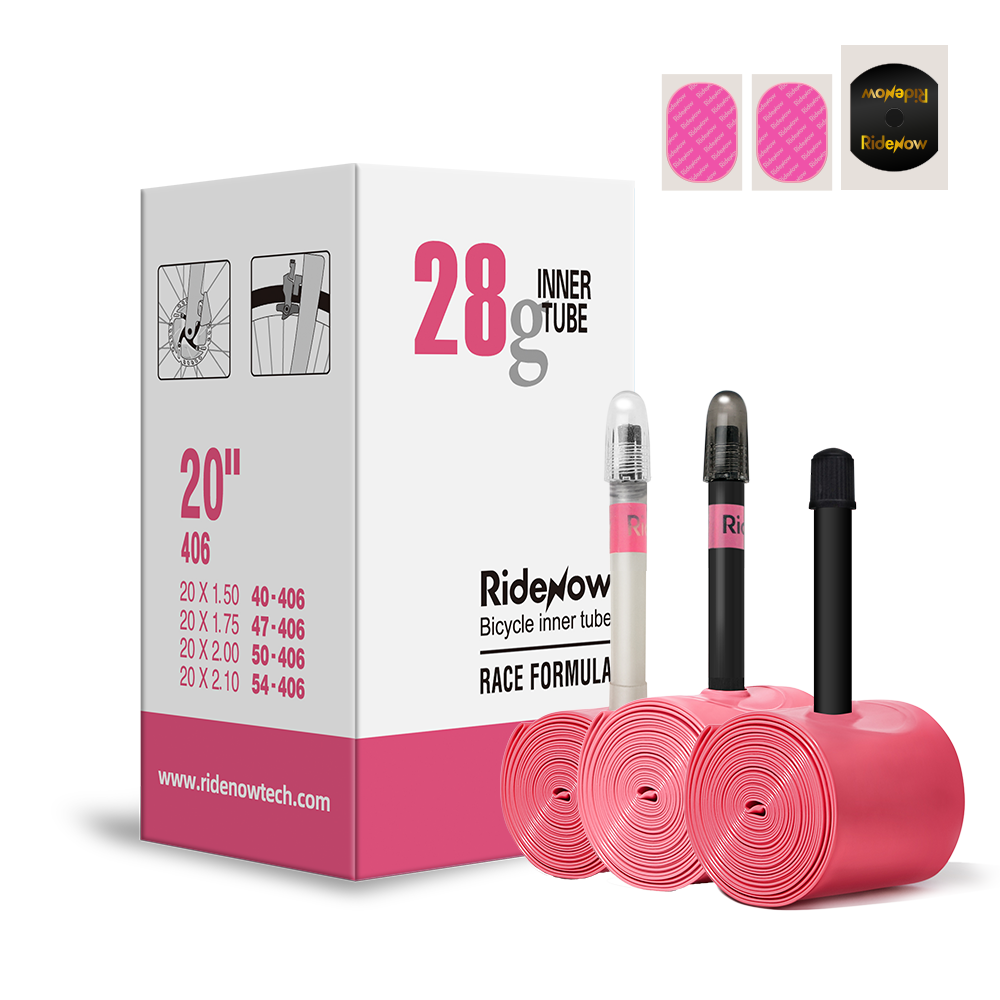
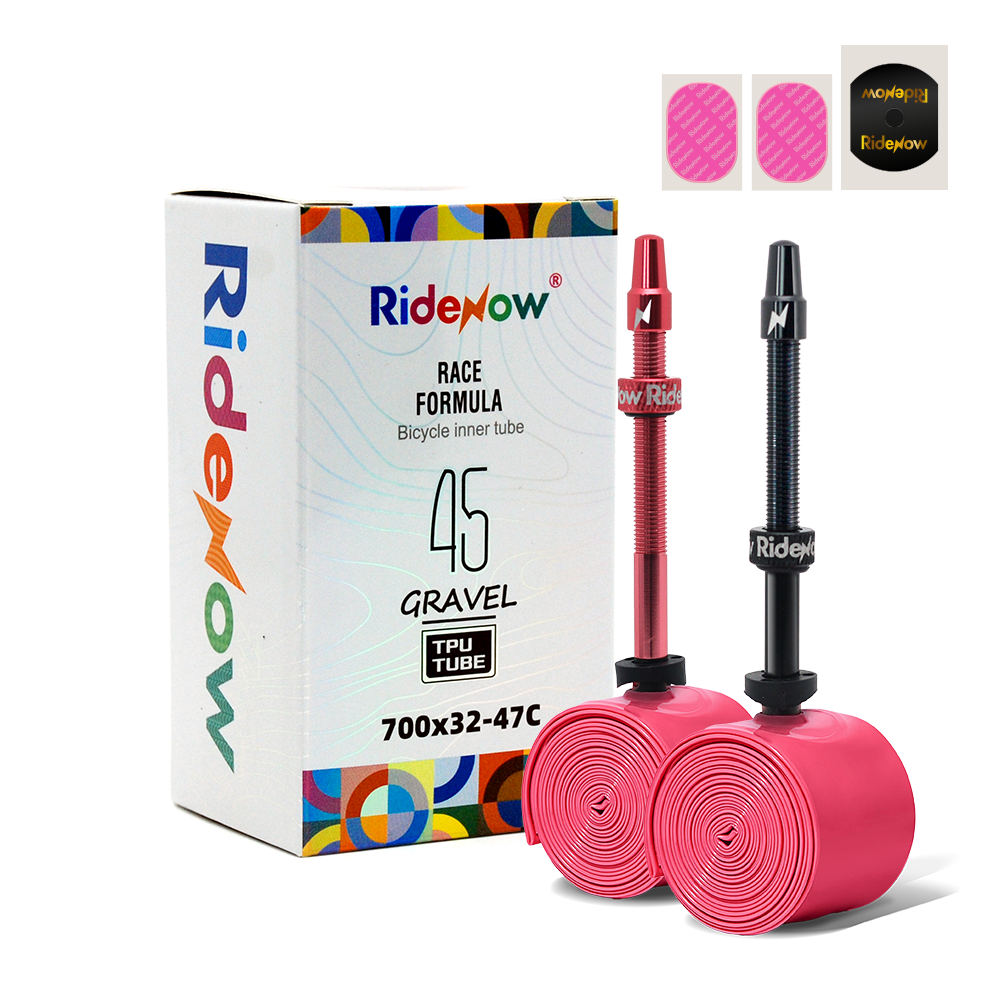
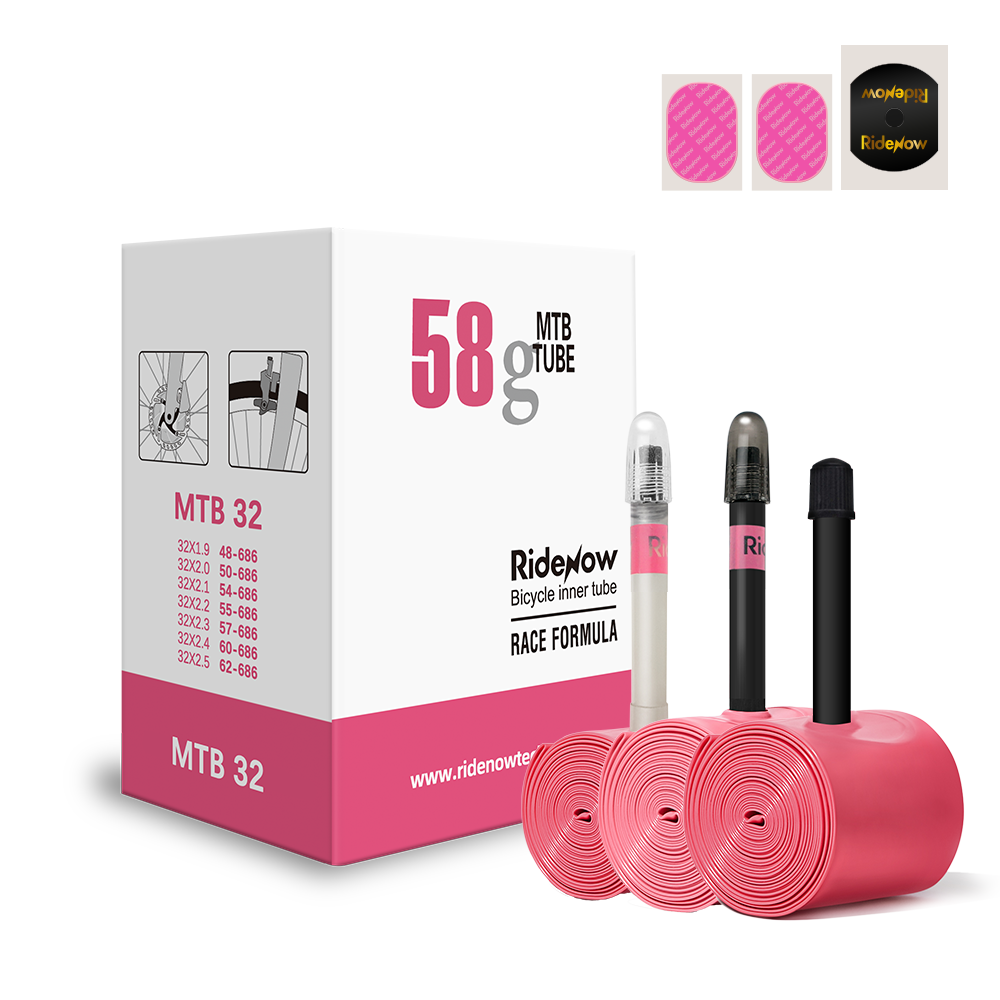
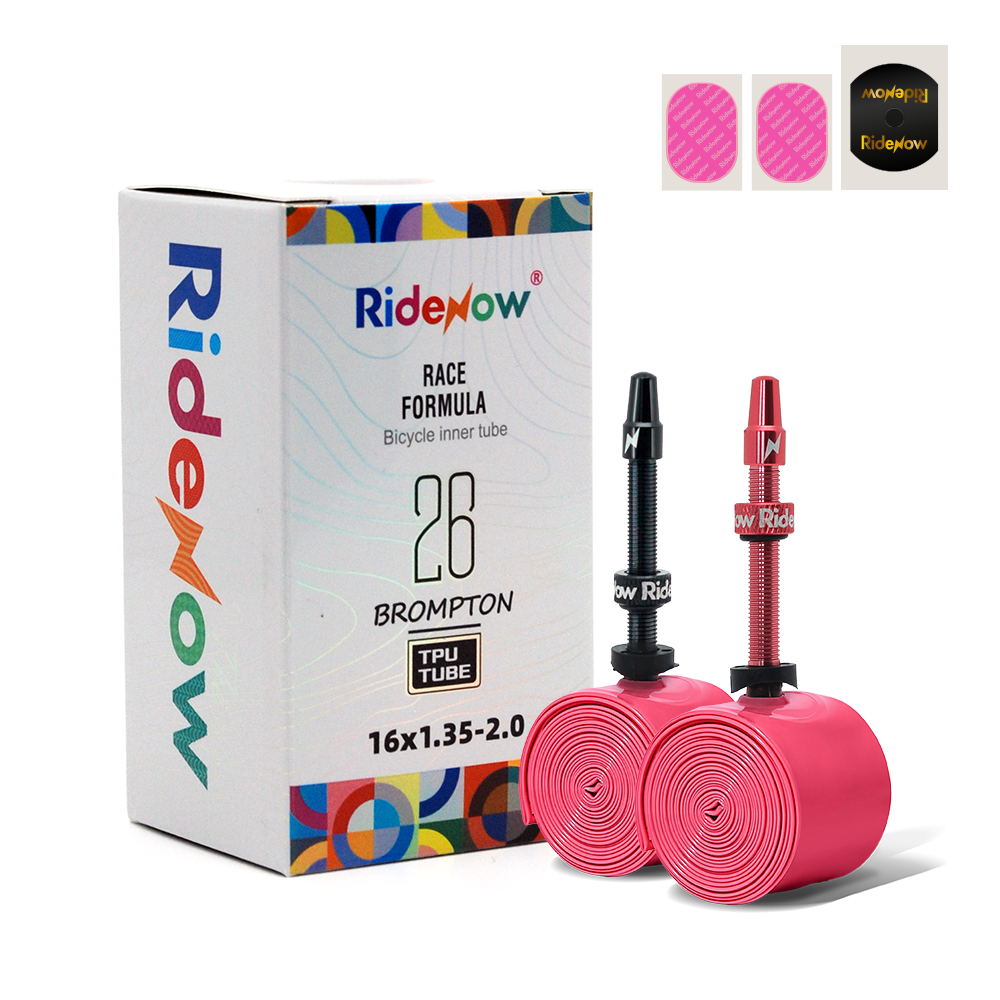
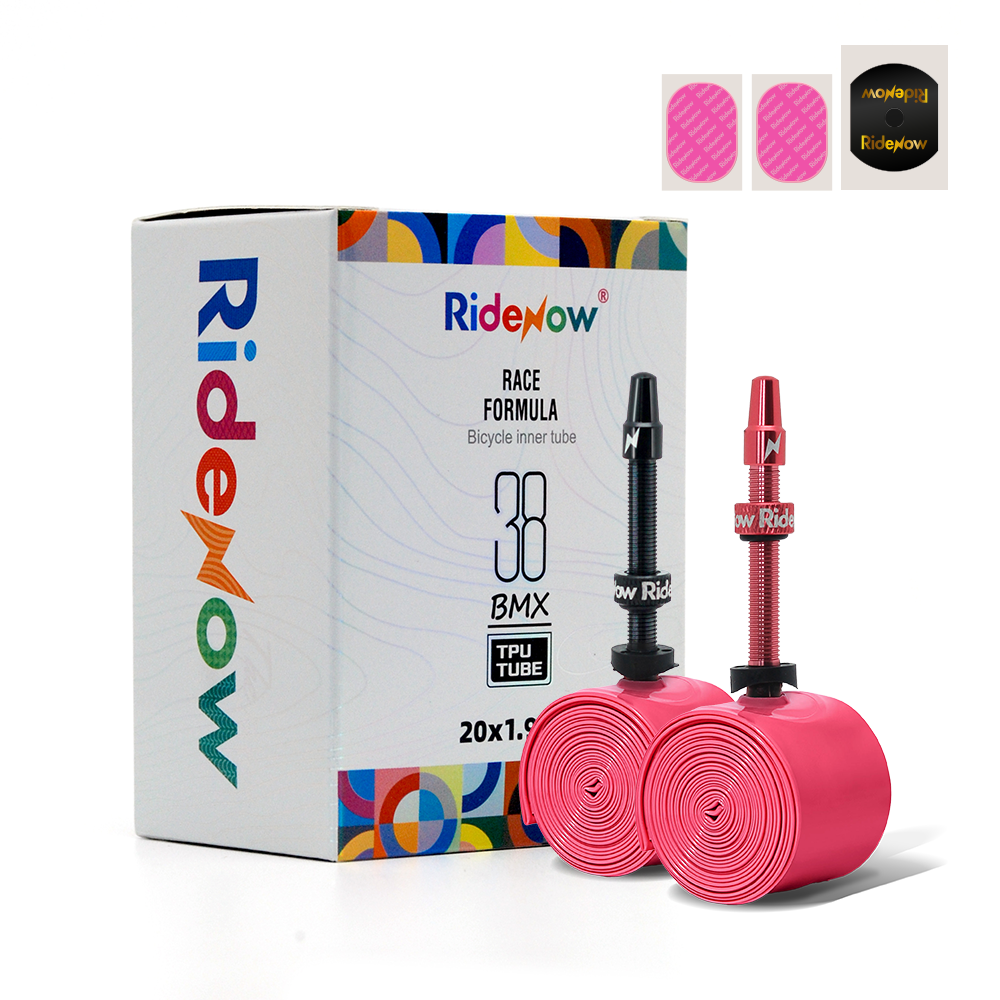
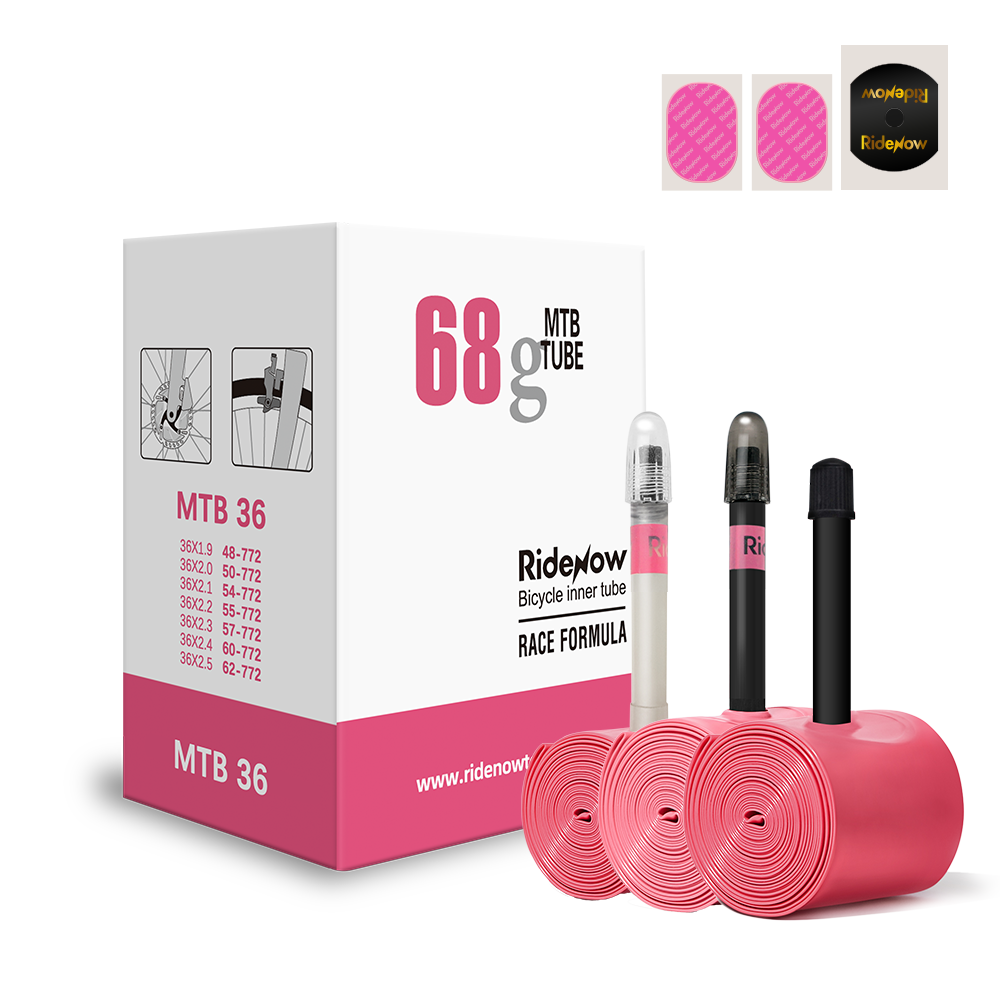
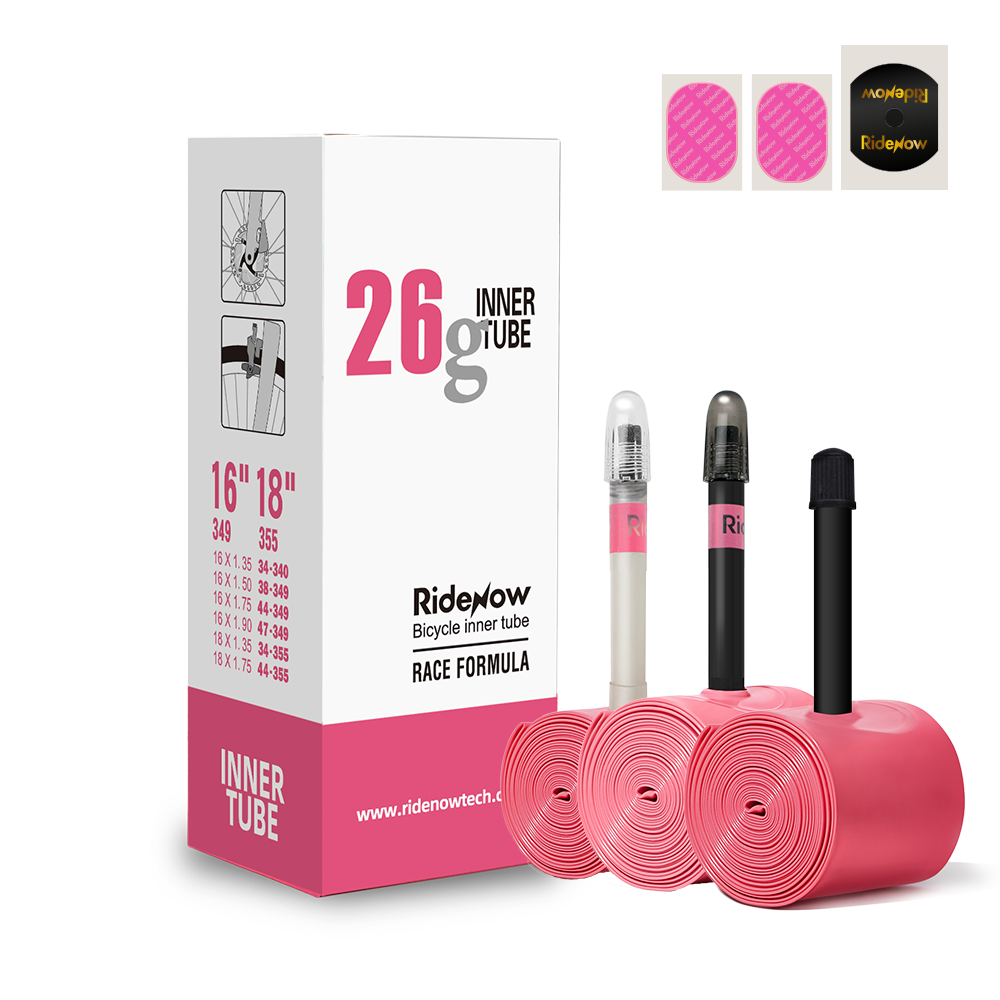
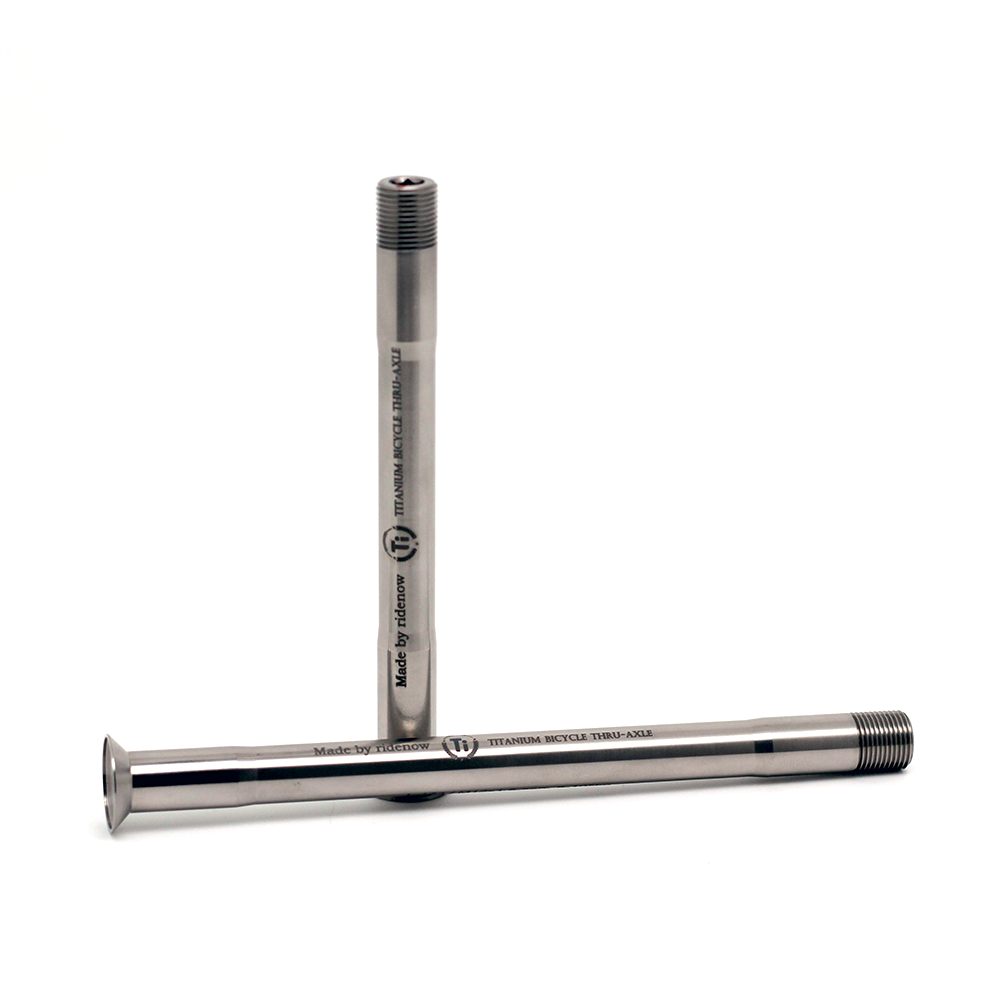
Explore our top-performing manufacturing lines, supporting global distributors with ultralight TPU technologies, titanium axles, and custom bike storage solutions.
Evaluating the Global Top 10 Bike Storage Rack Suppliers & Exporters
The global urban mobility and active lifestyle infrastructure markets are undergoing a fundamental paradigm shift. As municipal governments enforce micro-mobility compliance and commercial real estate developers seek LEED-certified bicycle parking amenities, the demand for high-density, heavy-payload, and aesthetically integrated bicycle storage racks has escalated. For commercial procurement managers, B2B wholesalers, and OEM brand importers, identifying a reliable supplier requires evaluating technical parameters beyond standard tubular bending.
Sourcing commercial-grade bike storage racks requires a nuanced evaluation of structural metallurgy, corrosion resistance ratings, locking security compliance, and spatial yield efficiency. Modern bicycle fleets have expanded from standard lightweight road frames to heavy cargo e-bikes weighing upwards of 35 kg to 45 kg per unit. Consequently, legacy gravity racks and thin-gauge wire stands are being rapidly phased out in favor of engineered high-load steel, aerospace 6061-T6 aluminum alloys, and hydraulic-assist two-tier parking arrays.
Core Engineering Criteria for B2B Bike Rack Sourcing
To achieve long-term field durability and minimize total cost of ownership (TCO), leading exporters subject their storage hardware to rigorous mechanical stress testing and Finite Element Analysis (FEA). Key selection benchmarks include:
- Structural Gauge & Wall Thickness: Heavy-duty commercial installations utilize minimum Q235 structural steel with 2.5mm to 3.0mm wall thickness or structural 6061-T6 extruded aluminum profiles to prevent structural buckling under multi-bike loads.
- Advanced Anti-Corrosion Finishes: Outdoor architectural installations require hot-dip galvanizing adhering to ISO 1461 standards (minimum 65 µm zinc coating density), followed by electrochemically applied thermoplastic powder coating to guarantee salt spray performance exceeding 1,000 hours under ASTM B117 testing protocols.
- Wheel-Rim Protection & Contact Geometry: Premium suppliers design non-marking thermoplastic elastomer (TPE) or rubberized protective sleeves over contact hooks and tire trays to protect carbon fiber rims, disc rotors, and deep-section road wheels from scratches.
- Three-Point Locking Security: Commercial racks engineered for transit hubs and public spaces must integrate continuous locking loops compatible with heavy U-locks and chain locks, securing both the frame and both wheels simultaneously.
Comparative Analysis of Storage Systems
A comparative breakdown of primary commercial storage configurations exported across North American, European, and Asia-Pacific B2B markets.
| Storage Rack Category | Primary Target Application | Max Load Capacity | Spatial Yield Factor | Typical Material & Finish |
|---|---|---|---|---|
| Two-Tier Gas-Strut Racks | Commercial Transit Hubs & Corporate Basements | Up to 35 kg / Tray | Maximum (+120%) | Hot-Dip Galvanized Q235 Steel |
| Vertical Wall-Mounted Swivel Racks | Residential Apartments & Boutique Garages | Up to 30 kg / Unit | High (+75%) | Powder-Coated Steel / TPE Oversmold |
| Free-Standing Modular Floor Stands | Retail Showrooms & Exhibition Displays | Up to 25 kg / Slot | Moderate (1:1 Base) | CNC Machined Aluminum / E0 Wood |
| Heavy-Duty E-Bike Charging Stands | Municipal Parking & Fleet Logistics | Up to 50 kg / Station | High (+50%) | 304/316 Stainless Steel or C5-M Coated |
| Ceiling Motorized Lift Systems | Luxury Residential & High-Density Storage | Up to 40 kg / Lift | Max Overhead Space | Anodized Alloy & Steel Cable Winch |
Future Procurement Trends in Bicycle Storage (2025–2030)
Understanding macro procurement trends enables B2B buyers, distributors, and municipal procurement directors to future-proof their supply chains and product catalogs against evolving urban transport habits.
1. E-Bike Payload & Charging Integration
With global e-bike sales projected to grow exponentially, commercial storage racks are rapidly shifting from passive steel hoops to active charging infrastructure. Future-ready exporters are integrating enclosed IP65-rated electrical conduit pathways, smart IoT locking nodes, and fire-isolated battery containment bays within the rack frame architecture.
2. Modular & Flat-Pack Logistics Design
Soaring international ocean freight rates have forced manufacturers to optimize shipping container volumetric density. Next-generation storage racks feature precision CNC-laser-cut knockdown modular components. By engineering racks that assemble via high-tensile tamper-proof fasteners, exporters can increase 40-foot High-Cube container capacity by up to 220%.
3. Sustainable Metallurgy & Carbon Auditing
European Green Deal policies and global ESG mandates are pushing architectural specifiers to require Environmental Product Declarations (EPDs). Leading manufacturers are adopting 100% recyclable aerospace alloys, ultra-low-VOC powder coatings, and closed-loop manufacturing systems to significantly lower product carbon footprints.
Manufacturing Strengths & Engineering Heritage
Qingdao JORV Technology Co., Ltd. combines German R&D precision with agile Asian manufacturing scales to deliver high-performance cycling equipment and storage infrastructure to global markets.
Global R&D Hub Network
Founded by passionate engineering specialists, JORV maintains an international footprint with its corporate headquarters in Qingdao, an advanced research and engineering center in Düsseldorf, Germany, a branch in Shenyang, and specialized supply-chain management in Taiwan.
30%+ Profit Reinvested in R&D
Innovation drives our product line. Reinvesting over 30% of annual profits into continuous product development allows JORV to refine metal fatigue resistance, pioneer ultralight TPU formations, and produce over 12 self-developed proprietary product ecosystems.
Agile B2B Sourcing Terms
We lower barriers to entry for international partners by offering flexible MOQ options starting from 20 pcs for inner tube series down to 1 pc for specialized equipment like travel cases and indoor rocker plates, supported by fast buyer response times (≤13 hours average).
Common B2B Purchasing & OEM Questions
Detailed technical answers to assist procurement officers, distributors, and brand managers during supplier evaluation.
Commercial bike storage racks installed in municipal transit hubs or commercial buildings should comply with standards such as EN 17186 or APBP (Association of Pedestrian and Bicycle Professionals) guidelines. Standard racks should support at least 30 kg per bike slot, while dedicated e-bike racks require minimum point-load capacities of 45 kg to 50 kg per tray to safely accommodate heavy batteries and hub motors.
In coastal or high-humidity regions exposed to marine salt air (C4/C5-M atmospheric corrosivity categories), hot-dip galvanizing according to ISO 1461 is essential. For superior aesthetic longevity, hot-dip galvanizing followed by a dual-layer architectural powder coating (thermoplastic or epoxy-polyester) offers the best defense against chalking, chipping, and salt corrosion exceeding 1,000 hours under ASTM B117 salt spray testing.
Fully welded commercial racks create significant "shipped air" inside ocean containers, dramatically increasing freight costs per unit. Modular knockdown rack designs utilize laser-cut precision interlocking brackets and high-tensile security hardware, enabling flat-packing. This reduces packaged volumetric size by up to 60%, allowing importers to pack up to 2.5x more units into a standard 40ft HQ container, effectively lowering per-unit landed shipping costs.
At Qingdao JORV Technology Co., Ltd., full OEM/ODM manufacturing support includes custom surface finish colors matching RAL color codes, laser-etched corporate logos, customized contact arm rubberizing, custom mounting flange hole dimensions, private-label packaging boxes, and tailored instruction manuals formatted for immediate distributor resale.
Sample evaluations are typically dispatched within 5 to 7 working days. Full container production orders average 25 to 35 days depending on custom coating requirements. We accept flexible delivery terms including FOB, CIF, EXW, DDP, and DDU, with payment options across major currencies (USD, EUR, GBP, JPY, AUD, CAD, CHF, CNY) via T/T, L/C, Credit Card, and PayPal.
Partner with a Leading Engineering Exporter Today
Contact our technical engineering team for complete product catalogs, factory audit reports, custom OEM quotes, and volume pricing. Average response within 13 hours.