Featured Wholesale Products & Repair Solutions
Direct factory-grade ultralight TPU tubes, specialized cold-vulcanization patch kits, and OEM accessories engineered for competitive B2B supply chains.
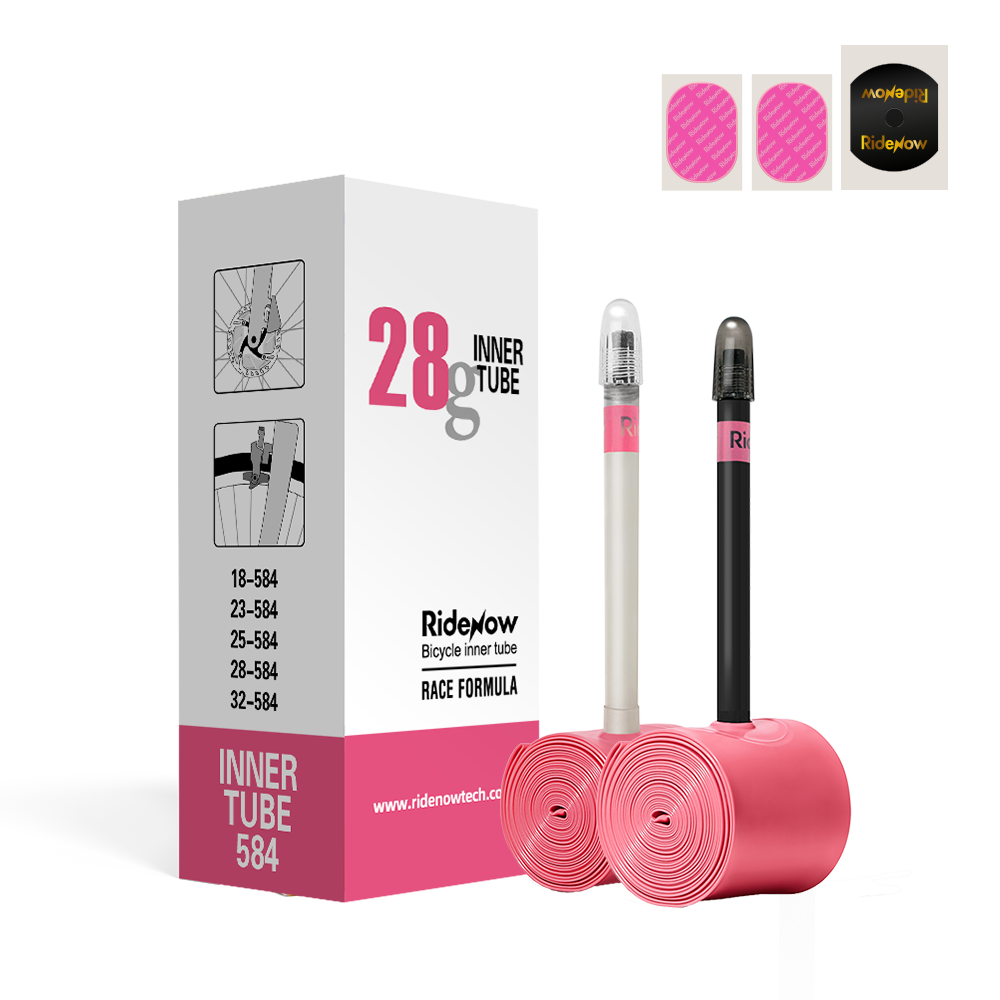
RideNow Road Bike Inner Tubes 584 18C-32C TPU Presta Valve
Product Details »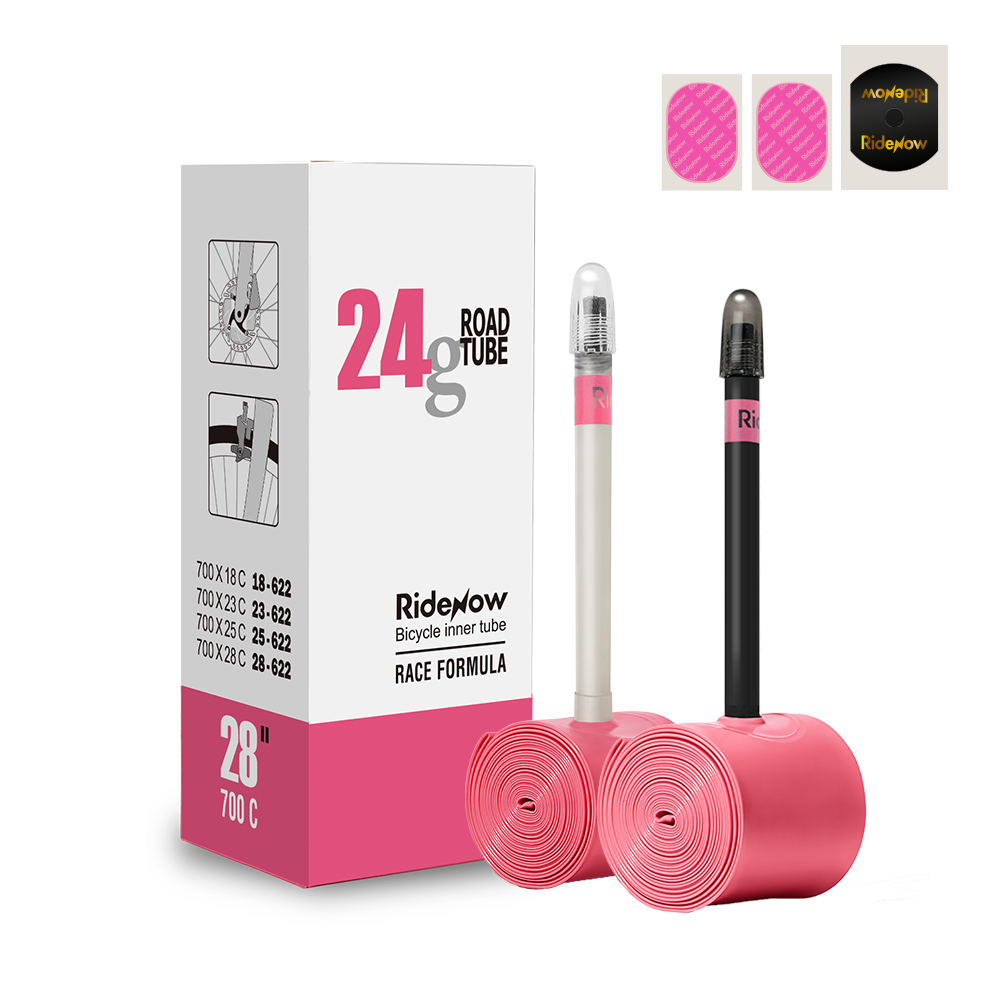
RideNow Road Bike Inner Tubes 700x18C-28C TPU 24g Ultralight
Product Details »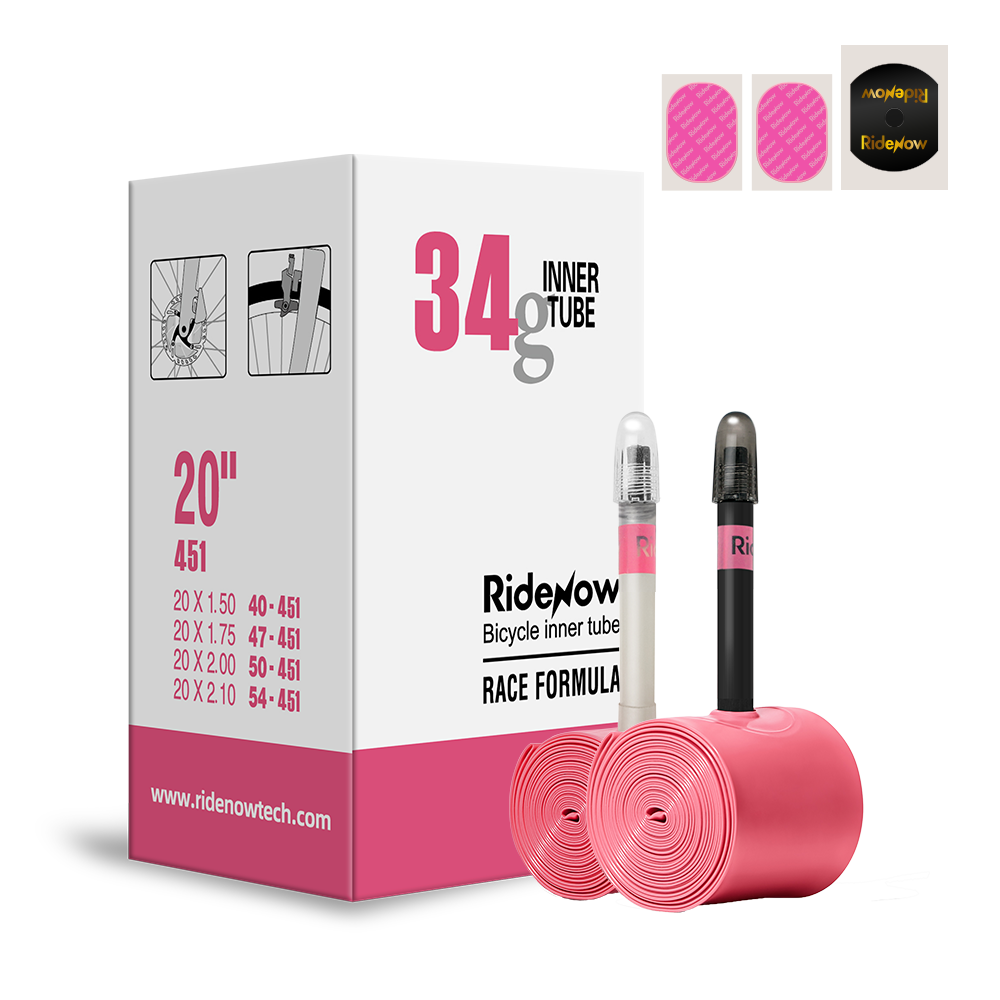
RideNow Folding Bike TPU Tube 20" 451 Presta | Patch Kit Included
Product Details »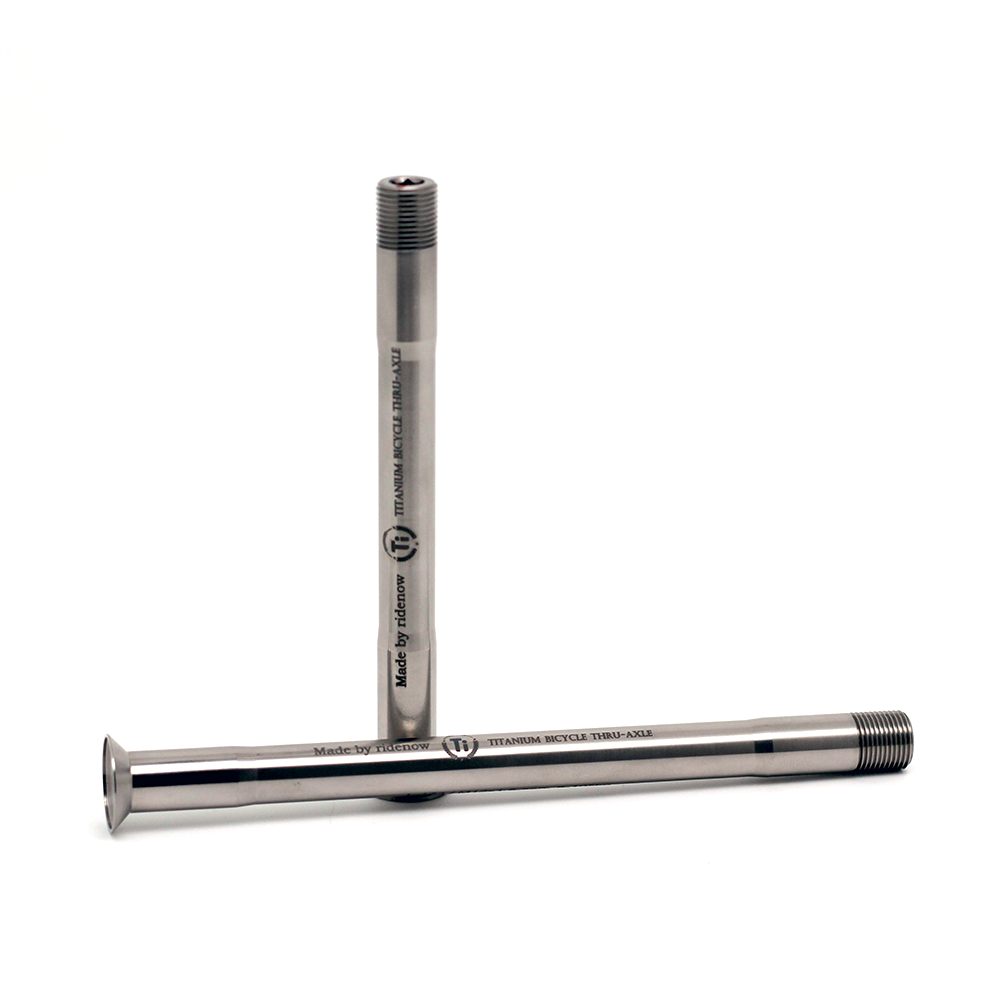
RideNow Titanium Thru-Axle Aerospace-Grade Alloy 2x Strength
Product Details »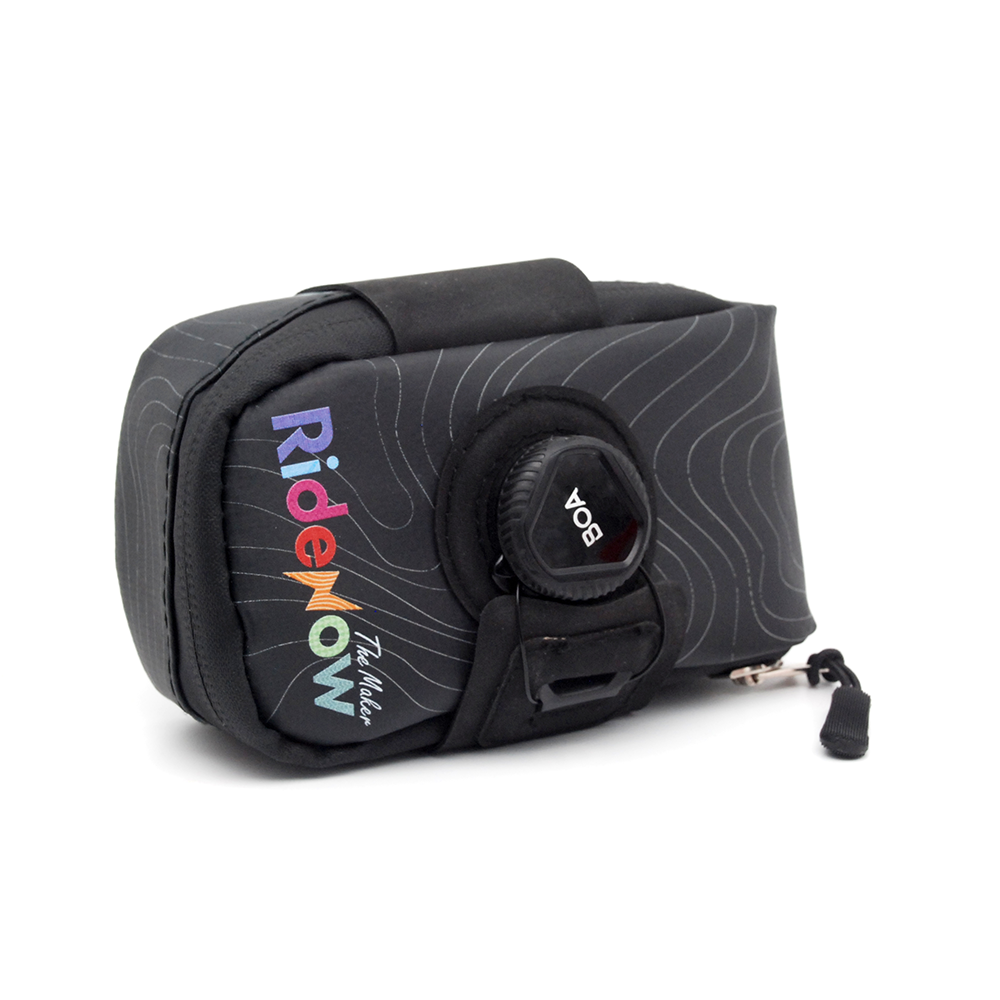
RideNow Mini Saddle Bag with BOA Mounting System Waterproof
Product Details »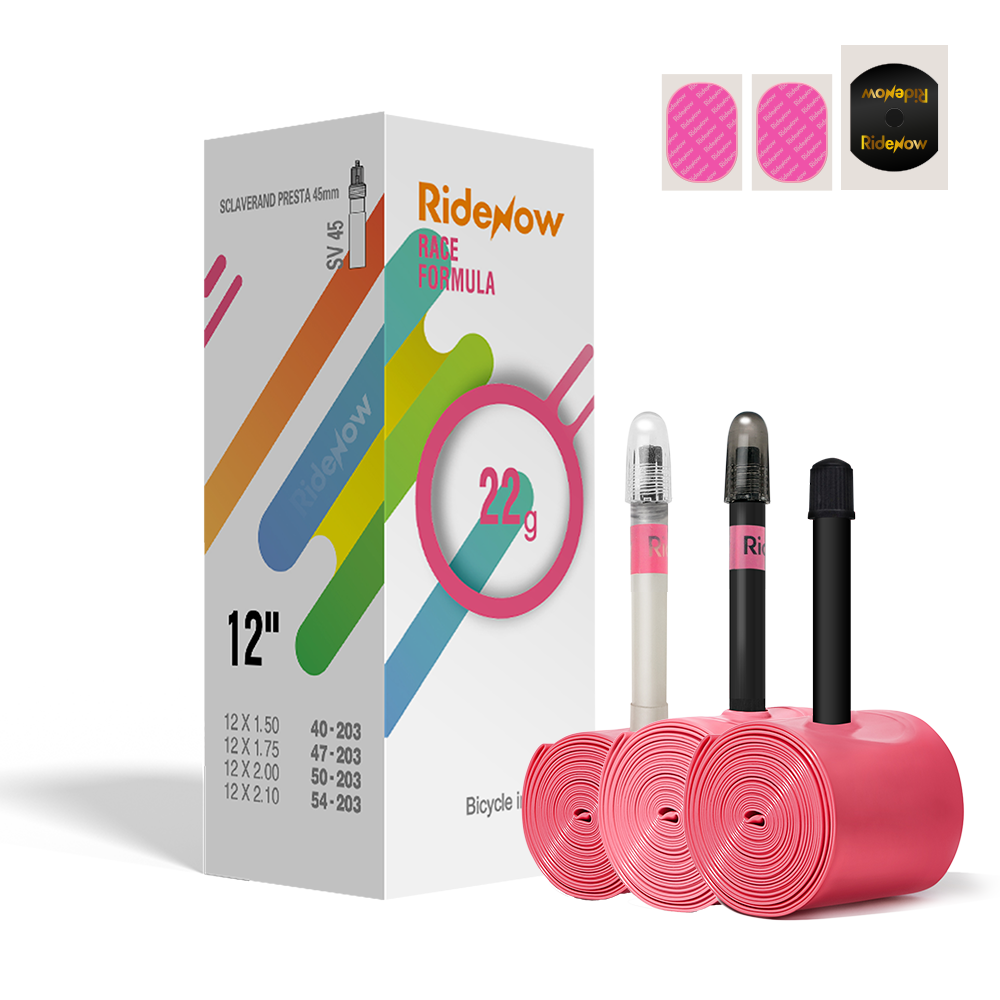
RideNow Kids Bike TPU Tube 12" 203 Presta/Schrader Patch Kit
Product Details »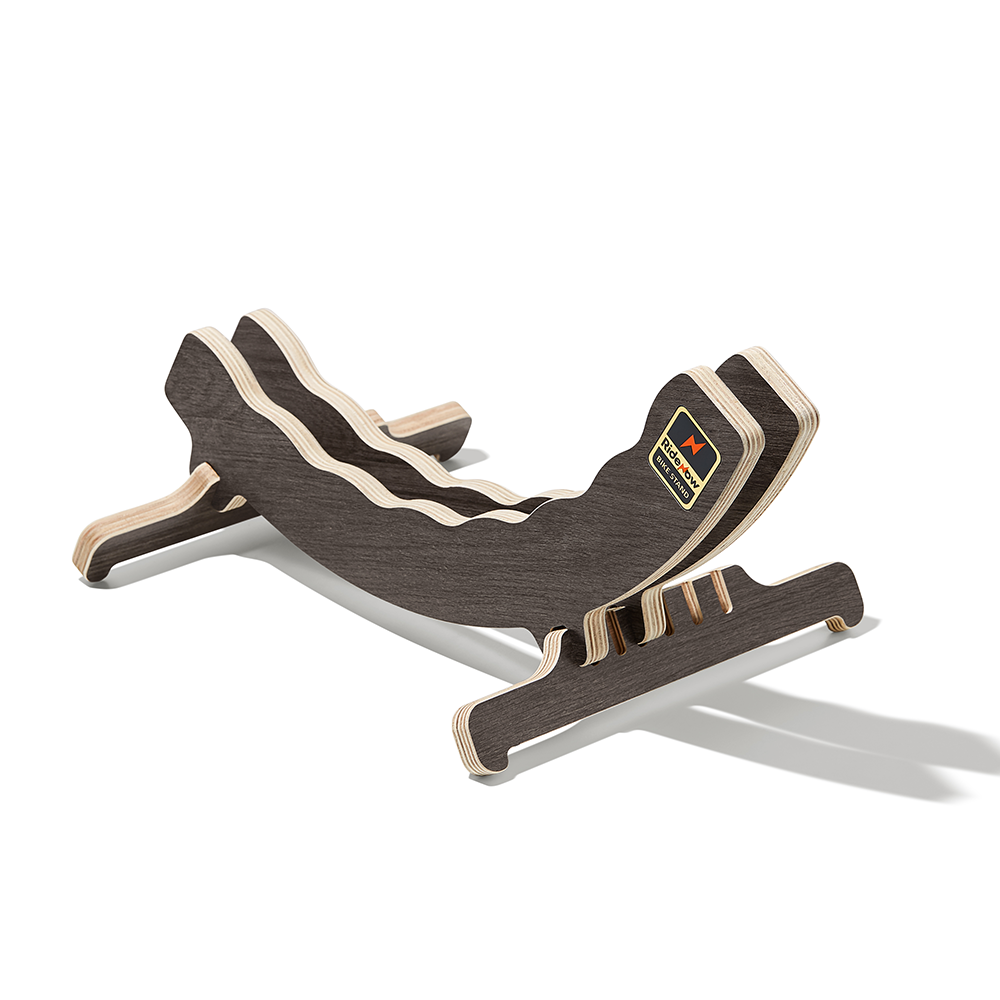
RideNow Wooden Bike Stand E0 Grade Plywood Multi-Size Compatible
Product Details »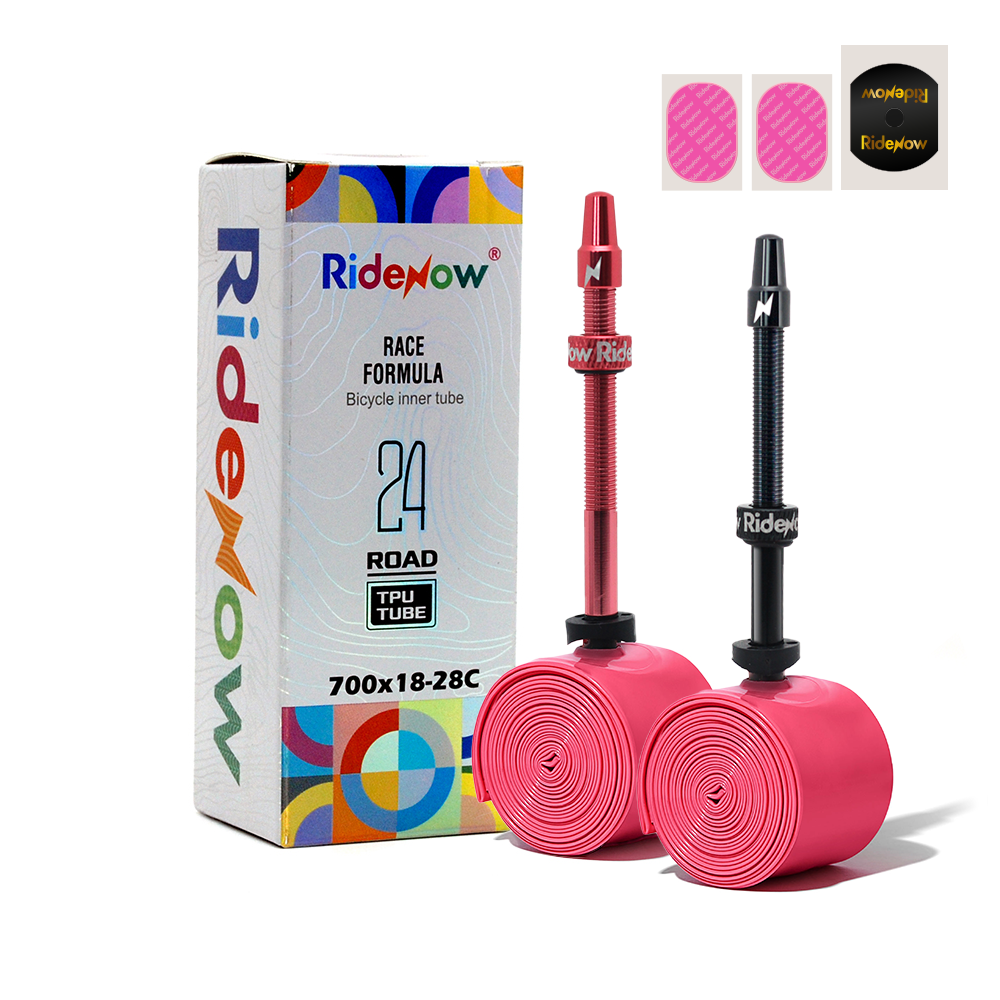
RideNow Road Bike TPU Tube Metal Valve 45/65/85mm Patch Pack
Product Details »1. The Global Paradigm Shift in Bicycle Repair & Patch Manufacturing
The global cycling economy is undergoing an accelerated technological evolution. As cycling shifts from simple transportation to high-performance recreation, endurance sports, and eco-friendly urban mobility, the maintenance ecosystem must evolve alongside it. At the heart of bicycle maintenance lies puncture repair technology—a sector long dominated by heavy, traditional rubber patches and messy vulcanizing cements. Today, the rapid market penetration of Thermoplastic Polyurethane (TPU) inner tubes and ultra-high-pressure tubeless setups has radically transformed B2B procurement requirements.
As a premiere China Wholesale Bike Tube Patch Manufacturer & Exporter, Qingdao JORV Technology Co., Ltd. sits at the intersection of material science, mechanical engineering, and international logistics. Sourcing managers, brand owners, and OEM distributors are no longer merely buying rubber pieces; they are purchasing technical reliability, thermal-chemical adhesion integrity, shelf-life longevity, and compliance with stringent environmental standards such as EU REACH and RoHS. This whitepaper establishes a definitive roadmap for global procurement directors evaluating bulk patch kits, TPU-specific repair adhesives, and private-label bicycle maintenance programs.
2. Chemical Bonding Dynamics: Cold Vulcanization vs. TPU Polymer Adhesion
To optimize inventory turnover and reduce warranty claim ratios, procurement teams must understand the core chemical differences between traditional elastomer repair and modern thermoplastic adhesion. Punctures behave fundamentally differently depending on the substrate material.
Traditional Butyl Rubber: Cold Vulcanization Mechanism
Butyl rubber repairs rely on chemical cross-linking. Standard cold vulcanizing patches consist of an uncured or semi-cured gum backing layered with a natural rubber substrate. When paired with a vulcanizing fluid containing sulfur donors and accelerators (such as zinc dithiocarbamates dissolved in heptane or cyclohexane), the solvent dissolves the top layer of the inner tube. A room-temperature chemical reaction forms disulfide bonds between the patch and the tube, effectively merging them into a monolithic rubber layer. High-quality Chinese manufacturing ensures that solvent evaporation rates are perfectly balanced, eliminating pocket voids and incomplete cross-linking.
Thermoplastic Polyurethane (TPU): Solvent & Elastomeric Micro-Welding
TPU inner tubes—celebrated for saving up to 70% of rotational weight compared to butyl—cannot be repaired using standard vulcanizing glue. TPU is a non-crosslinked polymer that melts when heated and dissolves in polar solvents. Attempting to repair a TPU tube with sulfur-based vulcanizers results in zero bond strength and immediate joint failure under pressure.
Our engineering team in Qingdao and Düsseldorf has developed specialized TPU repair patches constructed from aromatic thermoplastic polyurethane membranes coated with pressure-sensitive acrylic polymers or solvent-activation layers. Upon application, the adhesive undergoes micro-welding at the molecular polymer chain level, maintaining elasticity up to 400% elongation without debonding under high pneumatic inflation.
| Technical Parameter | Standard Cold-Vulcanized Patch | Glueless Matrix Patch | JORV Engineering TPU Repair Patch |
|---|---|---|---|
| Substrate Compatibility | Butyl Rubber & Natural Rubber | Emergency Butyl / Standard Pressure | TPU (Aromatic/Aliphatic) & Butyl |
| Tensile Strength (MPa) | 12.5–15.0 MPa | 8.0–10.0 MPa | > 22.0 MPa |
| Peel Adhesion Force | 3.2 N/mm (Chemical Bond) | 1.8 N/mm (Physical Stick) | 4.1 N/mm (Polymer Fusion) |
| Temperature Resistance | -20°C to +80°C | -10°C to +50°C | -35°C to +110°C (Disc Brake Safe) |
| Shelf-Life Stability | 36 Months (Sealed Fluid) | 18–24 Months | 36+ Months (Blister Sealed) |
3. Strategic B2B Procurement Trends (2025–2030)
Global buyer surveys across Europe, North America, and Southeast Asia reveal clear shifts in how bicycle patch kits and emergency repair solutions are sourced. Buying managers must align their supply chain strategies with these four macro-trends:
1. Ultra-Compact & Integrated Bundling
Modern cyclists demand minimalist carry solutions. Retailers are moving away from bulky plastic cases toward integrated repair pods, saddle-bag bundles, and BOA-mounted packs that combine TPU tubes, micro-patches, and tire levers into under-100g kits.
2. VOC-Free & Solvent Compliance
Environmental regulations (such as California Prop 65 and EU REACH) strictly regulate volatile organic compounds (VOCs). Export-ready manufacturers must utilize toluene-free and benzene-free adhesives packaged in recyclable aluminum tubes.
3. E-Bike & Heavy Cargo Puncture Loadings
Electric bikes and heavy cargo cycles generate higher kinetic energy and heat. Puncture patches for cargo and e-bike tubes require thicker vulcanization layers to resist higher shear forces during hard braking and heavy payload acceleration.
Qingdao JORV Technology: Engineering Excellence
Founded by cycling-obsessed engineers in 2017, Qingdao JORV Technology Co., Ltd. bridges high-precision manufacturing with international design standards.
Global R&D Architecture
Headquartered in Qingdao, China, with an advanced R&D center in Düsseldorf, Germany, a operational branch in Shenyang, and supply-chain hub in Taiwan. Over 30% of annual profits are directly reinvested into R&D.
Low Entry MOQs for Market Testing
We eliminate inventory barriers for wholesalers. Tube models start from 20 pcs, valve stems from 10 pcs, and specialized equipment from 1 pc, allowing rapid testing of new product variants.
Automated Quality Control
Every lot undergoes 100% pneumatic pressure retention tests, peel force verification, and thermal degradation checks. Upgraded automated lines maintain strict batch consistency.
Full OEM / Private Label Support
From custom die-cut patch shapes, brand logo printing, aluminum vulcanizing tubes, to complete retail blister cards and wood display stands—we turn your private label concepts into retail reality.
Frequently Asked Questions (FAQ) for B2B Buyers
Essential insights for importers, distributors, and OEM purchasing managers sourcing bicycle patch kits and inner tube accessories from China.
Partner with a Leading China Patch & Tube Manufacturer
Elevate your product catalog with high-margin, engineering-grade TPU inner tubes, vulcanizing patch kits, and OEM accessories. Request a custom quote or sample package today.