[email protected] Qingdao, Shandong, China Onsite-Checked Supplier
Bike inner tube repair patch kit manufacturing line by Qingdao JORV Technology Co., Ltd.
High elasticity adhesive testing for bike inner tube repair patch kit
Wholesale bike inner tube repair patch kit packaging and logistics
Next-Gen Puncture Adhesion Engineering

What Defines an Industrial-Grade Bike Inner Tube Repair Patch Kit for Modern High-Pressure Bicycle Tires?

In modern high-performance cycling, a standard puncture repair solution no longer fits every casing. As thermoplastic polyurethane (TPU) continues to disrupt traditional vulcanized butyl formulations, international procurement specialists face a dual-substrate compatibility challenge. Qingdao JORV Technology Co., Ltd. resolves this transition through proprietary cold-bonding elastomers and specialized vulcanizing films. Whether supporting 120 psi road clinchers, extreme gravel deformations, or demanding e-cargo fleets, our patch kit programs deliver uncompromising airtight reliability under variable operating temperatures.

  • Multi-Polymer Bonding MatricesCustomized pressure-sensitive acrylic and synthetic rubber adhesives optimized for TPU and Butyl.
  • Comprehensive B2B CustomizationCustom die-cut geometries, bespoke metal tins, PP retail blister cards, and branded rasp assemblies.
  • Factory-Direct Cost FeedbackContinuous automated manufacturing line iterations protecting margins against raw material volatility.
0Founded by Cycling Engineers
0Global R&D & Supply Hubs
0Profit Reinvested in R&D
0Guaranteed Response Window
Market Foresight & Procurement Strategy

Global Procurement & Engineering Trends in Inner Tube Repair

How shifting tire technology, micro-mobility, and supply chain rationalization are redefining bicycle puncture maintenance demands through 2026 and beyond.

1. The Rapid Transition from Butyl to TPU Substrates

For more than half a century, the bike inner tube repair patch kit category was built on a single chemical assumption: sulfur-cured butyl rubber bonding with solvent-activated polyisoprene cement. However, the international surge in ultralight Thermoplastic Polyurethane (TPU) tubes has exposed critical performance gaps. Butyl vulcanizing cement contains organic solvents like heptane and toluene that fail to crosslink with polar TPU polymers, causing immediate roadside bond failure.

Modern B2B purchasing directors now actively avoid non-differentiated patch supplies. Future-proof procurement requires patch systems engineered with dynamic thermoplastic elastomer (TPE) matrices or specialized tackified acrylics capable of cold-cohesion with high-modulus, oil-resistant TPU membranes without altering structural elasticity.

2. High Chemical Stability and Eco-Compliant Adhesives

Global regulatory bodies, including REACH in the European Union and California Proposition 65 in North America, have drastically tightened permissible thresholds for volatile organic compounds (VOCs) and petroleum distilates in consumer repair goods. Traditional vulcanizing fluid tubes are notoriously vulnerable to drying out, venting hazardous fumes, or leaking during international sea container transit.

Forward-thinking cycling brands are migrating en masse toward dry, solventless, pre-tackified glueless patch patches. By incorporating advanced cross-linked tackifiers, these dry kits eliminate leakage claims during trans-oceanic freight, extend retail shelf lives up to 36 months, and ensure total compliance across all key consumer trade blocs.

3. Commercial Fleet & Urban E-Mobility Durability

The explosive rise of heavy e-bikes, cargo logistics fleets, and urban bicycle-sharing ecosystems has rewritten performance baselines. An inner tube running on a 30kg commercial cargo bike encounters intense continuous brake-rotor heating, rim compression, and severe pinch stresses unseen on conventional human-powered bicycles.

Procuring low-grade patches leads to shear failures under friction-generated tire heat. Industrial buyers now demand shear-adhesion certifications across elevated thermal ranges (40°C to 85°C) to prevent thermal migration of adhesives along rim bed walls during long descents and heavy braking loads.

4. Unified SKU Rationalization for Distributors

Distributors and multi-brand importers often struggle with inventory fragmentation: stocking separate patch kits for road, gravel, e-bike, and commuter segments creates SKU bloat. The emerging procurement standard leans toward modular, universal repair architectures. By pairing versatile, highly elastic patch foils with multi-functional surface preparation tools, brands can address both traditional tubes and next-generation polymers under a consolidated, high-velocity SKU lineup.

Engineering Validation

Technical Comparison: Traditional vs. Next-Gen Repair Systems

Comprehensive metallurgical and adhesive benchmark for commercial buyers evaluating puncture retention properties.

Performance Metric Standard Butyl Vulcanizing Kit Generic Glueless Rubber Patch JORV Engineered TPU/Universal Kit
Substrate Compatibility Butyl rubber only; fails completely on TPU Butyl rubber only; poor high-pressure bond Full cross-substrate (TPU, Butyl, Latex)
Operating Pressure Limit Up to 110 psi (after full 15-min cure) 60–80 psi (susceptible to creep) Up to 135 psi (instant mechanical seal)
Application Curing Speed Slow (8–15 minutes chemical dwell) Instant (under 30 seconds) Instantaneous zero-dwell cold bond
Temperature Stability Degrades under rim-brake heat (>65°C) Adhesive liquefies under friction Thermally stable between -25°C and 90°C
Shelf-Life Durability 12–18 months (cement vulcanizes in tube) 12–24 months (adhesive hardening) 36+ months (inert hermetic seal layers)
Container Transport Safety Flammable liquid class (freight surcharges) Standard non-hazardous cargo Standard non-hazardous cargo (air/sea verified)
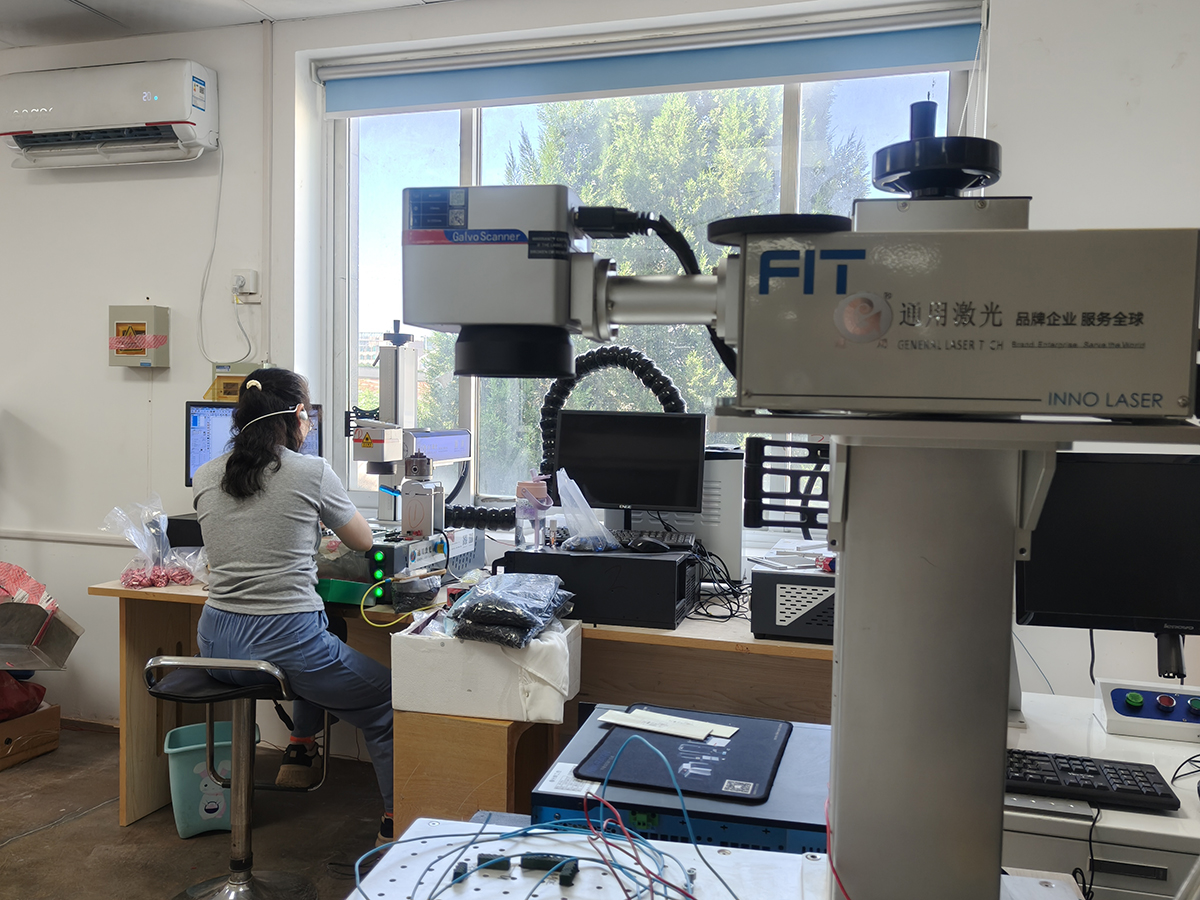
Qingdao JORV Technology R&D engineers testing bike inner tube repair patch kit cohesion
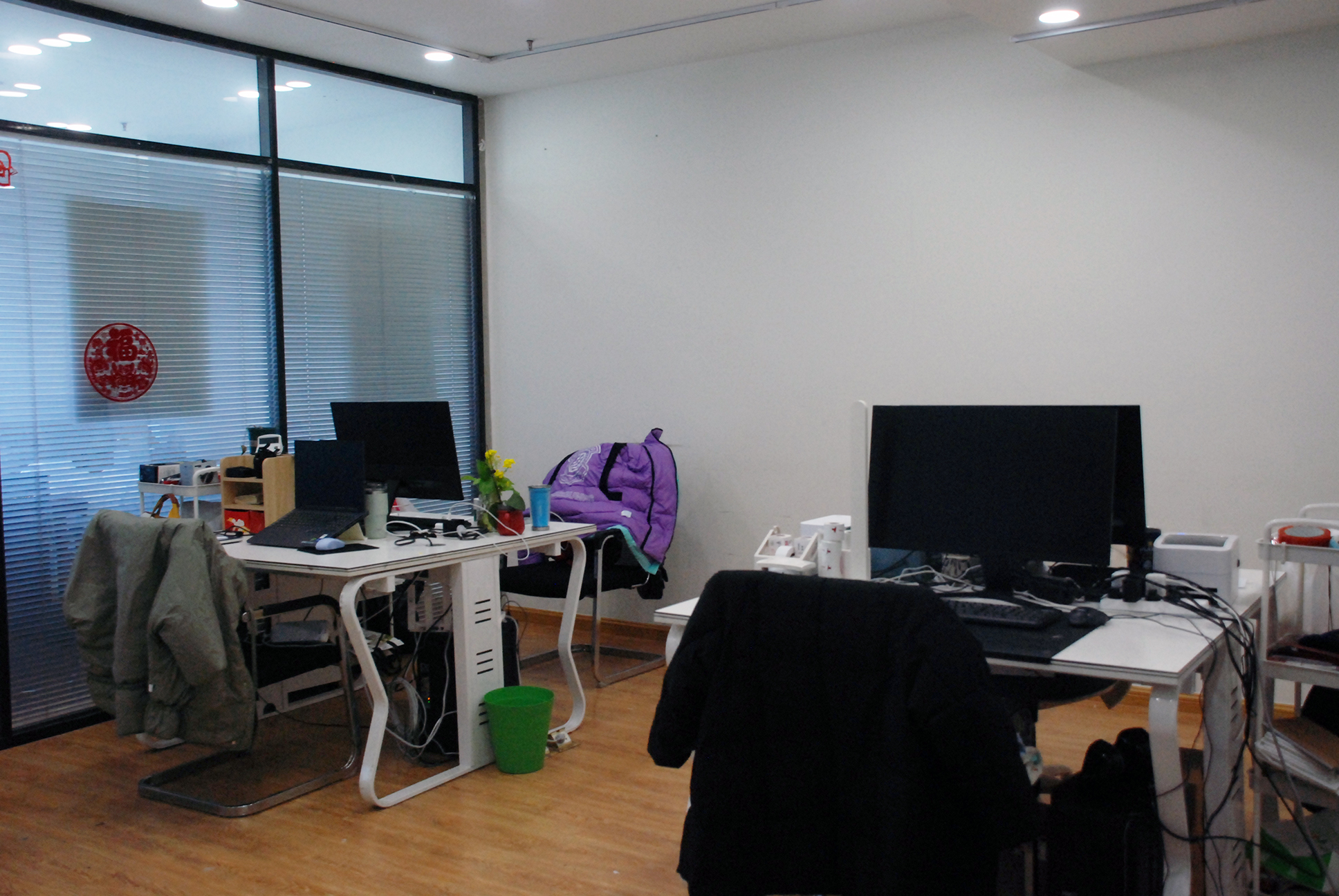
Precision die-cutting and automated patch assembly lines
Comprehensive quality control testing bike repair kits
About Qingdao JORV Technology Co., Ltd.

Engineering Pedigree Grounded in Real Cycling Science

In 2017, JORV was founded by an elite collective of mechanical engineers and materials scientists who were obsessed with cycling and firmly believed that bicycles could still achieve quantum leaps in efficiency and reliability two centuries after their invention. Headquartered in Qingdao, China, Qingdao JORV Technology Co., Ltd. operates state-of-the-art branch offices and research facilities in Düsseldorf, Germany, and Shenyang, Liaoning, anchored by an integrated international supply chain hub in Taiwan.

Our commitment to material excellence is demonstrated by our operational structure: we consistently reinvest more than 30% of our annual profit directly into forward-looking research and advanced manufacturing automation. This continuous technical reserve enables rapid product iteration and strict quality consistency across every bike inner tube repair patch kit we deliver to overseas brand partners.

Crucially, engineering innovation at Qingdao JORV Technology Co., Ltd. goes hand-in-hand with commercial affordability. By continuously modernizing tooling, refining automated adhesive lamination lines, and optimizing raw material procurement, we actively offset worldwide inflationary pressures. We immediately translate these efficiency gains into stabilized, highly competitive wholesale pricing for our global distribution network.

Company Legal Entity
Qingdao JORV Technology Co., Ltd.
Direct Inquiries
[email protected]
In-House R&D Reinvestment
> 30% of Total Profit Annually
Global Technical Hubs
Qingdao · Düsseldorf · Shenyang · Taiwan
Total Team Footprint
11 – 50 Specialized Personnel
Annual Export Revenue
US$1 Million – US$2.5 Million
Inquiry Response Time
≤ 13 Hours Standard SLA
Export Capacity
Complete OEM/ODM Worldwide Logistics

Rigorous Quality Validation

Engineering Precision from Formulation to Dispatch

Inspect our certified laboratories, cleanroom lamination workflows, and automated packing sequences.

Direct Sourcing Clarity

Frequently Asked Questions by Global Procurement Teams

Answers to critical questions asked by procurement officers, product managers, and supply chain analysts.

Why do conventional butyl repair patches fail when applied to TPU inner tubes?
Conventional bike tube patch kits rely on chemical cold vulcanization. The vulcanizing fluid (typically natural rubber dissolved in heptane) causes a chemical reaction that crosslinks sulfur bridges with the unsaturated hydrocarbon polymer chains of butyl. Thermoplastic polyurethane (TPU) is a completely saturated, dense aromatic or aliphatic polymer lacking free sulfur bond sites. Consequently, butyl cement forms only a weak mechanical film over TPU that slides or peals off once pressurized past 30 psi. JORV TPU patch kits utilize highly specialized, high-cohesion acrylic and aliphatic polyurethane adhesives that chemically adhere to the smooth polar surface of TPU without requiring aggressive solvents.
What is the shelf life of your Bike Inner Tube Repair Patch Kits in retail packaging?
Our glueless TPU and hybrid self-adhesive patches have an accelerated-test certified shelf life of 36 months when stored under standard warehouse conditions (15°C to 25°C, away from direct UV exposure). Unlike traditional vulcanizing cement tubes—which routinely degrade, solidify, or vent through aluminum nozzles within 12 to 18 months—our dry-film barrier technology preserves full contact tackiness over multi-year retail display cycles.
Can our brand order custom die-cut patch sizes, branded tins, and bespoke packaging?
Yes. We offer turnkey OEM/ODM customization services. Buyers can specify round, rectangular, or micro-contour patch geometries, branded release liners, laser-engraved stainless steel scuffers, and retail enclosures ranging from embossed tinplate boxes to polypropylene travel cases or cardboard hanging cards. Custom printing proofs are produced within 3 business days of receiving vector graphics.
How do you test and verify patch adhesion under high pneumatic pressures?
Every batch undergoes a strict multi-stage pneumatic stress protocol in our Qingdao quality center. We puncture cured inner tube specimens with standardized 1.5mm and 3.0mm puncture mandrels, apply patches under controlled contact pressure, and inflate tubes to 120–140 psi within constrained test housings simulating tire rim cavities. Test samples are submerged in water baths for 24-hour micro-bubble leakage tracking and subjected to thermal chamber cycling from -20°C to +80°C.
What are your standard Minimum Order Quantities (MOQs) and production lead times?
For unbranded standard factory-packaged patch kits, our MOQ starts at just 100 sets for rapid evaluation. For comprehensive private label OEM orders (custom-printed tins, branded liners, custom manuals), the minimum order threshold is typically 1,000 sets. Standard mass-production lead time ranges from 15 to 25 business days depending on packaging complexity and order volume.
What commercial delivery terms and payment channels does Qingdao JORV Technology Co., Ltd. accept?
We support comprehensive international trade incoterms: FOB (Qingdao/Shanghai/Shenzhen), CIF, EXW, DDP, and DDU with seamless clearance direct to overseas distribution warehouses. Multi-currency settlements are supported in USD, EUR, GBP, AUD, CAD, JPY, and CHF via T/T, L/C at sight, Credit Card, and PayPal. Inquiries sent to [email protected] receive comprehensive quotations within 13 hours.

Secure Factory-Direct Supply of High-Yield Repair Kits

Partner with Qingdao JORV Technology Co., Ltd. for certified puncture repair excellence. Contact our engineering desk today.

[email protected] Get Catalog
JORV gallery image enlarged